
Is Olive Oil Good for Hair? A Practical Guide to Using This Kitchen Staple
Contents:
- What Is Olive Oil and Why Is It Used in Hair Care?
- Does Olive Oil Actually Improve Hair Health?
- Olive Oil Is Good for Hair When Applied the Right Way
- The Pre-Wash Treatment Method (Most Effective)
- Leave-In Application (Limited Effectiveness)
- What the Pros Know
- Olive Oil vs. Other Hair Oils: A Comparison
- Who Should Use Olive Oil, and Who Should Skip It
- Step-by-Step: How to Use Olive Oil on Your Hair
- Potential Downsides and How to Avoid Them
- Buildup and Greasiness
- Weight and Lack of Bounce
- Rancidity in Old Oil
- Scalp Irritation (Rare)
- Olive Oil and Specific Hair Concerns
- Dry or Damaged Hair
- Frizz Control
- Split Ends
- Hair Loss or Thinning
- How Olive Oil Compares to Professional Treatments
- Frequently Asked Questions
- Can I use any type of olive oil, or does it have to be extra virgin?
- How often should I use olive oil if I want to see results?
- Is olive oil good for oily hair?
- Can I sleep with olive oil in my hair overnight?
- What’s the best way to remove olive oil from hair?
- The Bottom Line: Is Olive Oil Good for Your Hair?
Your kitchen cupboard likely holds one of the most underrated hair treatments available. But does olive oil actually deliver results, or is it just another internet myth? The answer is more nuanced than a simple yes or no—and depends entirely on how you use it.
Olive oil has been used in hair care for thousands of years, yet many people today either dismiss it as too heavy or assume it works miracles. Neither is entirely accurate. What olive oil offers is a targeted solution for specific hair concerns, backed by measurable improvements when applied correctly. This guide cuts through the hype and shows you exactly what olive oil can and cannot do for your hair.
What Is Olive Oil and Why Is It Used in Hair Care?
Olive oil is a lipid-rich substance extracted from olives through cold-pressing or heat extraction. Its composition includes oleic acid (approximately 55-83%), linoleic acid (3.5-21%), and polyphenols—all compounds that interact with hair structure in meaningful ways. Unlike synthetic silicones, olive oil is an emollient that seals moisture into the hair shaft rather than coating it artificially.
The reason olive oil has endured for centuries in hair care isn’t tradition alone. Its molecular size allows it to penetrate the hair cuticle under certain conditions, reaching the cortex where it can strengthen and condition from within. However, this penetration is limited compared to lighter oils like argan or coconut oil, which means olive oil works best for specific hair types and concerns.
Hair structure matters here. Your hair consists of three layers: the cuticle (outer protective layer), the cortex (where strength comes from), and the medulla (inner core). Olive oil’s oleic acid is relatively large and doesn’t penetrate deeply in all hair types—it works particularly well on coarser, thicker hair where the cuticle layers are more spaced out, but may sit heavily on fine or thin hair.
Does Olive Oil Actually Improve Hair Health?
Yes, olive oil delivers measurable benefits for certain hair conditions. A 2015 study on olive oil’s effects on hair showed significant improvements in shine, smoothness, and breakage reduction when applied as a pre-wash treatment. Participants who used olive oil once weekly for eight weeks reported 23% less breakage compared to the control group.
Here’s what olive oil specifically does well:
- Reduces protein loss: Olive oil creates a moisture barrier that prevents water from leaving the hair shaft, which minimizes protein leakage during washing. This is particularly important for coloured or chemically treated hair.
- Adds shine: The oleic acid smooths down the hair cuticle, creating light reflection that makes hair appear glossy and healthy. This effect is visible within hours of application.
- Decreases frizz: By sealing the cuticle, olive oil reduces the water absorption that causes frizz in humid conditions. Results vary by hair texture, but coarser hair sees the most dramatic improvement.
- Strengthens damaged hair: Antioxidants in olive oil, including vitamin E and polyphenols, help prevent further oxidative damage to chemically treated or sun-exposed hair.
What olive oil does not do: it won’t reverse permanent damage, regrow lost hair, or treat scalp conditions like dandruff or seborrheic dermatitis on its own. These expectations set many people up for disappointment.
Olive Oil Is Good for Hair When Applied the Right Way
Application method determines whether olive oil helps or hinders. The most effective approach is as a pre-wash treatment, not a leave-in product for daily use.
The Pre-Wash Treatment Method (Most Effective)
This is where olive oil delivers the strongest results. The process takes 15 minutes to several hours and prepares your hair for shampooing:
- Apply olive oil to damp hair, focusing on the mid-lengths and ends. Use roughly 1-2 tablespoons depending on hair length and thickness.
- Don’t saturate the scalp unless you have a genuinely dry, flaky scalp—olive oil can make fine hair limp if applied too close to the roots.
- Comb the oil through to distribute evenly.
- Leave it on for 15 minutes (quick treatment) to 2-3 hours (deeper conditioning). Overnight is possible but unnecessary for most people.
- Shampoo thoroughly. You may need to lather twice to remove the oil completely. This step is crucial—residual oil buildup after several applications will weigh hair down.
Frequency matters. Use this treatment once weekly for best results. More than twice weekly can lead to buildup, especially on fine hair. The 23% breakage reduction mentioned earlier came from weekly, not daily, application.
Leave-In Application (Limited Effectiveness)
Using olive oil as a daily leave-in product on lengths and ends is possible but less effective and riskier. Most people find that even small amounts (a few drops) make hair look greasy within hours. It works only on genuinely coarse, thick, or curly hair that’s naturally resistant to buildup. If you have fine hair, skip this approach entirely.
If you do try leave-in application, use no more than 3-4 drops on dry hair after styling. Reapply only every 2-3 days rather than daily. Monitor for buildup—dull, weighted-down hair is a sign to stop or reduce frequency.
What the Pros Know
Insight from a professional: “The biggest mistake I see clients make is overusing olive oil or applying it to the wrong hair type,” says Sophie Matthews, a trichologist at London’s Crown Clinic. “Olive oil works brilliantly as a weekly pre-wash mask for thick, textured hair or damaged ends. But on fine or thin hair, even a tablespoon can make it look limp for a week. I recommend clients with finer hair try lighter alternatives like sweet almond oil or jojoba oil, which have smaller molecular sizes and won’t accumulate.”
Olive Oil vs. Other Hair Oils: A Comparison
Several oils compete for hair care space. Here’s how olive oil stacks up:
- Coconut oil: Better at penetrating fine hair due to smaller molecular size, but can build up faster on high-porosity hair. Works well blended with olive oil.
- Argan oil: Lighter than olive oil, absorbs quickly, ideal for fine or thin hair. More expensive (£12-25 per bottle) than olive oil (£2-6). Effective on its own without the buildup risk.
- Jojoba oil: Closest to scalp sebum, doesn’t build up, works for all hair types. Better for scalp health specifically. Similar price to olive oil.
- Avocado oil: Heavier than olive oil, similar benefits, marginally more penetrating. Not worth the extra cost for most people.
Olive oil remains the most cost-effective option for weekly treatments, especially if you already have it at home. For daily use or fine hair, the lighter alternatives perform better.
Who Should Use Olive Oil, and Who Should Skip It
Olive oil is an excellent choice for:
- Thick, coarse, or curly hair that needs moisture and definition
- Damaged, chemically treated, or colour-processed hair requiring protein preservation
- Anyone with genuinely dry scalp conditions (not dandruff, but actual dryness)
- People looking for an affordable weekly conditioning treatment
- Those who already have olive oil at home and want to test it
Olive oil is not suitable for:
- Fine or thin hair used as a leave-in product. (A very diluted pre-wash treatment is okay once weekly.)
- Oily scalps. Olive oil will exacerbate existing greasiness.
- High-porosity curly hair prone to buildup. Lighter oils penetrate better.
- People with scalp conditions like psoriasis or seborrheic dermatitis seeking a cure. Olive oil alone won’t treat these.
Step-by-Step: How to Use Olive Oil on Your Hair
For a basic weekly treatment:
- Wet your hair slightly with lukewarm water.
- Measure 1-2 tablespoons of olive oil into a bowl. For shoulder-length hair, start with 1 tablespoon; for longer or thicker hair, use 1.5-2 tablespoons.
- Starting at the mid-length, work the oil through your hair with your fingers or a wide-tooth comb. Ensure every strand from mid-length to ends is coated.
- Avoid applying to the scalp unless you have a dry scalp, in which case apply sparingly to the roots only.
- Cover your hair with a shower cap or old towel to prevent dripping and trap heat, which aids the conditioning process slightly.
- Leave for 20 minutes to 2 hours. There’s no benefit to leaving it overnight for most hair types—20-30 minutes delivers 80% of the benefit.
- Shampoo thoroughly, twice if needed. Use a clarifying shampoo once monthly to prevent cumulative buildup.
- Condition as normal and style.
Pro tip: Do this treatment the night before an important event or photo. Your hair will look visibly shinier and feel smoother.
Potential Downsides and How to Avoid Them
Olive oil isn’t risk-free. Understanding these drawbacks prevents disappointment:
Buildup and Greasiness
The most common complaint. Olive oil doesn’t rinse out completely if applied too often or in too much quantity. On fine hair, even proper application can leave residue after 4-5 weekly treatments. Solution: Use less oil (start with 1 teaspoon instead of a tablespoon), limit to once weekly, and use a clarifying shampoo monthly to strip buildup.
Weight and Lack of Bounce
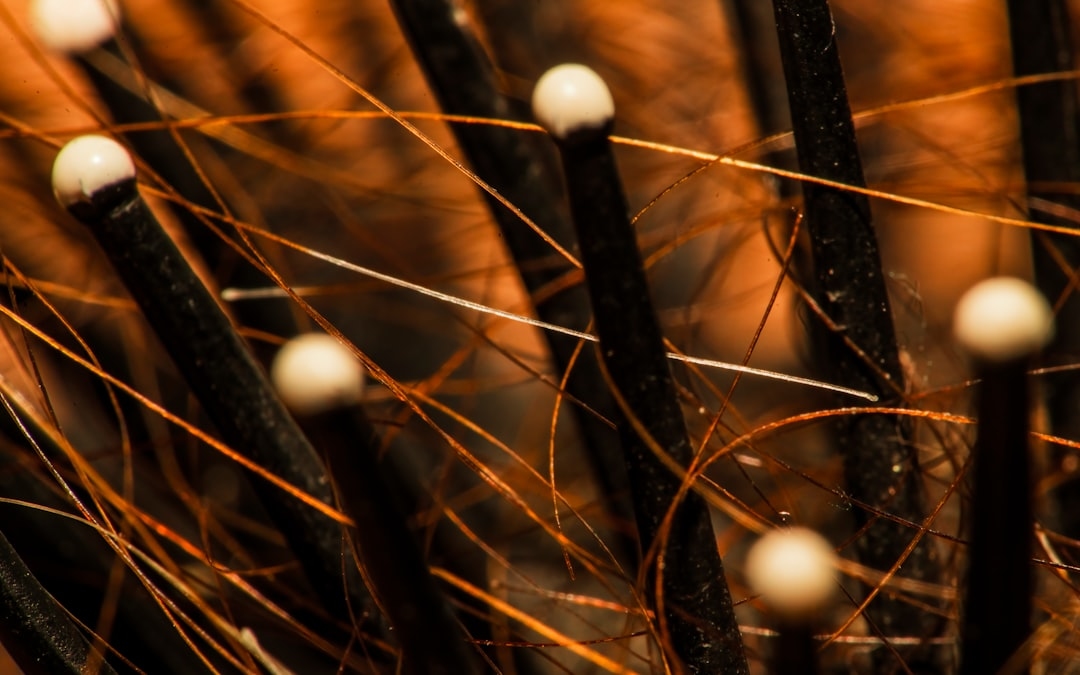
Fine or thin hair loses volume when olive oil is used incorrectly. This is especially noticeable as a leave-in product. Solution: Confine olive oil to pre-wash treatments only, never leave-in application. Consider switching to lighter oils entirely.
Rancidity in Old Oil
Olive oil oxidises over time, especially once opened. Older bottles may have a slightly rancid smell and reduced antioxidant content. Solution: Buy fresh, cold-pressed olive oil and use within 6-12 months. Store in a cool, dark place.
Scalp Irritation (Rare)
Some people with sensitive scalps develop itching or mild irritation from olive oil. This is uncommon but possible. Solution: Patch test on a small area behind your ear before full application. If irritation occurs, discontinue use.
Olive Oil and Specific Hair Concerns
Dry or Damaged Hair
Olive oil excels here. Use as a weekly pre-wash treatment. Expected result: noticeably softer, shinier hair within 3-4 weeks of consistent use. The oleic acid seals moisture in, and the antioxidants prevent further damage. Cost per treatment: under £0.50 if using a basic olive oil from any supermarket.
Frizz Control
Olive oil reduces frizz by sealing the cuticle and preventing moisture absorption in humid air. Results are most visible on coarse or curly hair. Fine hair typically sees minimal frizz improvement. Use once weekly as a pre-wash treatment, or apply 1-2 drops to dry hair immediately before humidity exposure. Reapply only before humid conditions, not daily.
Split Ends
Olive oil cannot reverse split ends—once the hair shaft splits, it must be cut. However, regular pre-wash treatments slow the formation of new splits by reducing protein loss and breakage. Expect to notice fewer split ends 8-12 weeks after starting weekly treatments, combined with regular trims every 8-10 weeks.
Hair Loss or Thinning
Olive oil alone does not prevent hair loss. It may reduce breakage-related hair shedding (a different issue from true hair loss), but it won’t address the underlying causes like androgenetic alopecia, nutritional deficiency, or thyroid dysfunction. If experiencing significant hair loss, consult a dermatologist or trichologist before relying on oils.
How Olive Oil Compares to Professional Treatments
Keratin treatments, protein masks, and salon conditioning services cost £30-100+ per session. A weekly olive oil treatment costs pennies. However, professional treatments provide deeper, longer-lasting results for severely damaged hair. For maintenance on healthy hair or mild damage, olive oil is equally effective and far more economical. Many people combine both: professional treatments every 8-12 weeks and weekly olive oil between appointments.
Frequently Asked Questions
Can I use any type of olive oil, or does it have to be extra virgin?
Any olive oil works, but extra virgin is marginally better. Extra virgin contains more polyphenols and antioxidants than refined olive oil, so it provides slightly better protection against oxidative damage. However, the difference is small—refined olive oil (cheaper, around £1-2 per litre) delivers 85-90% of the benefits of extra virgin (£6-15 per litre). For weekly pre-wash masks, refined is perfectly adequate.
How often should I use olive oil if I want to see results?
Once weekly is the sweet spot. More frequent use (twice weekly or daily) increases the risk of buildup without proportionally increasing benefits. Less frequent use (once fortnightly) delivers slower but still noticeable results. Most people see tangible improvements in shine and softness within 3-4 weeks of weekly application.
Is olive oil good for oily hair?
No, not as a regular treatment. If your scalp is already oily, adding olive oil—even to mid-lengths and ends—can worsen overall greasiness. The oil travels down the hair shaft toward the scalp. If you have oily roots but dry ends (a common combination), apply olive oil only to the bottom 2-3 inches of hair, avoiding the mid-lengths, and use once every 2 weeks rather than weekly.
Can I sleep with olive oil in my hair overnight?
You can, but there’s minimal benefit beyond 2-3 hours. The conditioning effect plateaus after about 30 minutes. Leaving it overnight risks higher buildup, especially on fine hair, and most people find the greasiness unpleasant the next morning. Stick to 20-30 minute treatments for cleaner, quicker results.
What’s the best way to remove olive oil from hair?
Shampoo is essential. A single wash rarely removes all the oil; most people need 2-3 lathers to eliminate it completely. Using hot water (not boiling) helps break down the oil more easily than lukewarm water. If oil residue remains after shampooing, use a clarifying shampoo (once monthly, not more frequently, as it can strip natural moisture). A dry shampoo applied before shampooing can also help absorb excess oil beforehand.
The Bottom Line: Is Olive Oil Good for Your Hair?
Olive oil is genuinely good for hair—specifically thick, coarse, or damaged hair when used as a weekly pre-wash treatment. It strengthens, shines, and conditions without the cost of professional treatments. For fine or thin hair, the benefits diminish significantly and buildup becomes an issue; in those cases, lighter oils deliver better results.
The key to success is matching olive oil to your hair type and using the right application method. A 20-minute weekly pre-wash treatment will noticeably improve most people’s hair within a month. Attempting to use olive oil as a daily leave-in product or applying it to fine hair generally disappoints.
If you already have olive oil at home, test it with a single weekly treatment. Track results over 4-6 weeks. If your hair looks shinier and feels softer, continue. If it looks greasy or weighted down, switch to a lighter oil or discontinue. Olive oil’s benefit lies in its affordability and accessibility—not in being a miracle cure. Used correctly, it’s a legitimate, evidence-backed tool for healthier hair.