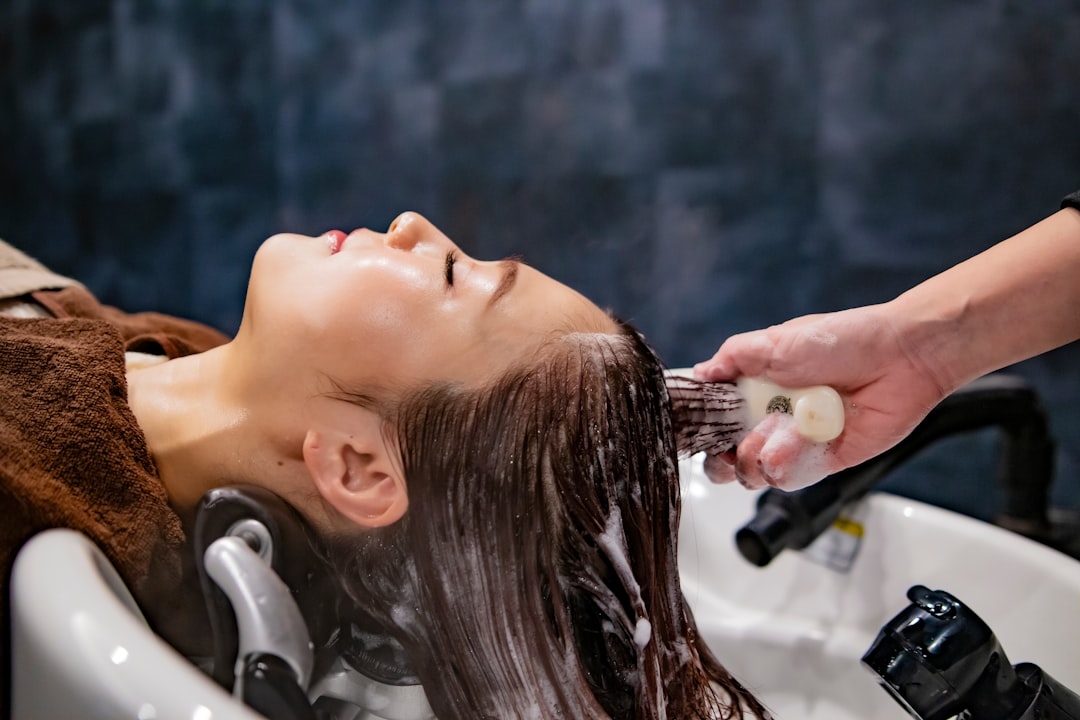
How to Wash Hair Extensions Like a Pro
Contents:
- Why Your Hair Extension Care Routine Matters
- Understanding Your Extension Type Before You Wash
- Tape-in Extensions
- Clip-in Extensions
- Sew-in or Weft Extensions
- Bonded Extensions (Keratin or Glue)
- Preparing Your Space and Gathering Supplies
- The Step-by-Step Washing Process
- Step 1: Detangle Before Water Ever Touches Your Extensions
- Step 2: Rinse with Cool Water First
- Step 3: Apply Shampoo to Your Scalp and Roots Only
- Step 4: Rinse Thoroughly and Repeat if Needed
- Step 5: Condition the Mid-Lengths and Ends
- Step 6: Rinse with Cool Water Until Water Runs Clear
- Step 7: Dry Properly
- Special Considerations for Different Extension Types
- Caring for Tape-in Extensions During Washing
- Washing Clip-in Extensions at Home
- Maintaining Sew-in Extensions
- How Often Should You Wash Hair Extensions?
- Eco-Friendly Practices for Extension Care
- Common Mistakes People Make When Washing Extensions
- Using Hot Water
- Over-Shampooing the Extensions
- Washing Too Frequently
- Brushing Wet Extensions
- Not Drying Extensions Properly
- Extensions vs. Hair Wigs: What’s the Difference?
- Products That Work and Products to Avoid
- Recommended Products
- Products to Avoid
- Frequently Asked Questions About Washing Hair Extensions
- Can I wash my hair extensions every day?
- What’s the best water temperature for washing extensions?
- How long can I go without washing my extensions?
- Do I need special conditioner for extensions?
- Can I use my regular shampoo on extensions?
- Making Your Investment Last
Cleopatra reportedly used hair extensions made from woven plant fibres around 3000 years ago, fastening them with beeswax and tree resin. Fast forward to today, and whilst our methods have evolved considerably, the underlying principle remains the same: caring for your extensions requires attention and intention. Whether you’ve invested in clip-ins, tape-ins, or sewn-in extensions, understanding how to wash hair extensions properly can mean the difference between a lustrous, lasting investment and a disappointing tangle of damaged strands.
Quick Answer
How to wash hair extensions in 30 seconds: Use cool water and sulphate-free shampoo, shampoo roots only (avoid the bonds), rinse thoroughly, apply conditioner to mid-lengths and ends, rinse gently, and air dry on a flat surface. Repeat every 10-14 days depending on your extension type.
Why Your Hair Extension Care Routine Matters
Hair extensions are considerably more fragile than your natural hair because they lack the protective cuticle layer that grows from your scalp. The moment you cut hair away from the scalp, it stops receiving natural oils (sebum) that keep it supple and protected. Your extensions also face additional stress from heat styling, friction against pillows, and the weight of the bonds or clips holding them in place.
Statistics from hair care manufacturers show that properly maintained extensions last 8-12 weeks on average, whilst poorly cared-for extensions deteriorate within 2-3 weeks. The difference? A proper washing routine is foundational. Extensions that cost £200-£500 deserve the 10 minutes per wash cycle required to keep them pristine.
Understanding Your Extension Type Before You Wash
Not all hair extensions are created equal, and neither are their care requirements. Different attachment methods demand different approaches to washing.
Tape-in Extensions
Tape-in extensions use adhesive tabs to bond sections of hair directly to small sections of your natural hair. When washing, you’ll need to avoid getting water directly onto these bonds. The adhesive can weaken if exposed to excess moisture or hot water. Expect to wash these carefully every 7-10 days.
Clip-in Extensions
Clip-ins are the most flexible option because they’re removable. You can actually detach them before washing your hair, which makes maintenance significantly easier. This is why many people prefer clip-ins for their lower maintenance requirements. You can wash them separately in your bathroom sink.
Sew-in or Weft Extensions
These are sewn directly into braided sections of your natural hair using a thread and needle. They sit closely against your scalp, making them prone to product buildup. However, because they’re permanently installed, you can’t remove them for washing. This requires a more cautious technique to avoid disturbing the braids underneath.
Bonded Extensions (Keratin or Glue)
Individual strands are bonded to your natural hair using heat-activated adhesive. These require the most delicate care because direct water pressure or heat can compromise the bonds. Avoid pointing the showerhead directly at bonds, and never use water hotter than lukewarm.
Preparing Your Space and Gathering Supplies
Before your first wash, stock your bathroom cabinet with the right products. Cheap shampoos often contain sulphates, which strip moisture from hair and can cause extensions to dry out, tangle, and shed prematurely.
Essential supplies you’ll need:
- Sulphate-free shampoo (£6-£12 per bottle)
- Conditioner or leave-in treatment (£8-£15)
- A wide-tooth comb (£3-£8)
- Microfibre hair towel or old t-shirt (optional but helpful)
- A spray bottle with water for detangling
- Two small bowls if washing clip-ins separately
Investing in salon-quality products might feel expensive upfront, but it’s genuinely cheaper than replacing damaged extensions. A £10 bottle of sulphate-free shampoo typically lasts 8-12 weeks if you’re using it only for your extensions.
The Step-by-Step Washing Process
Step 1: Detangle Before Water Ever Touches Your Extensions
Start with completely dry hair. Using your wide-tooth comb, gently work through your extensions from the ends upward, using short strokes. Avoid yanking or brushing aggressively from the roots to the ends, which can snap strands or cause matting. If you encounter stubborn tangles, spray lightly with a detangling spray and wait 30 seconds before combing again. Never wash tangled extensions—the water will only make tangles worse.
Step 2: Rinse with Cool Water First
Start by rinsing your hair thoroughly with cool or lukewarm water (never hot). This opens the discussion about temperature: hot water makes the hair cuticle swell, which weakens the structure. Cool water is genuinely better for extensions. Aim for water around 15-20°C if you can tolerate it; most people find 20-25°C a comfortable middle ground.
Step 3: Apply Shampoo to Your Scalp and Roots Only
This is a critical distinction. You’re not washing the extensions themselves at the roots—you’re washing your natural hair and scalp. Apply your sulphate-free shampoo to your roots and natural hair, then work it into a light lather. Use your fingertips, not your nails, and make gentle circular motions. The shampoo will naturally rinse down through your extensions when you rinse.
Do not pile your hair on top of your head or create a high bun during shampooing—this creates friction and strain on the attachment points.
Step 4: Rinse Thoroughly and Repeat if Needed
Rinse with cool water until the water runs clear. Make sure no shampoo residue remains, as this can leave extensions looking dull. If your hair is particularly oily or you use a lot of styling products, a second gentle shampoo is acceptable, but most people only need one.
Step 5: Condition the Mid-Lengths and Ends
This is where your extensions get their nourishment. Apply a generous amount of conditioner from mid-length to the very ends of your extensions. Let it sit for 2-3 minutes. The longer you leave conditioner on, the more moisture your extensions absorb. For particularly dry extensions, leave it on for 5-10 minutes. Never apply conditioner directly to your scalp or the attachment points—this makes them slippery and uncomfortable.
Step 6: Rinse with Cool Water Until Water Runs Clear
Rinse thoroughly to remove all conditioner. Any product residue will make your extensions look flat and lifeless.
Step 7: Dry Properly
This step is non-negotiable. Never squeeze or wring your extensions. Instead, gently press them between your hands or use a microfibre towel to remove excess water. Once you’ve removed the dripping moisture, lay your extensions flat on a clean, dry towel or hang them loosely over the side of a sink to air dry. If you’re drying clip-ins, lay them flat on a towel with the clips facing up so air can circulate underneath.
Do not blow-dry extensions while they’re wet unless absolutely necessary, and if you must, use the cool setting only.
Special Considerations for Different Extension Types
Caring for Tape-in Extensions During Washing
When shampooing tape-in extensions, tilt your head back so water flows away from the bonds rather than directly onto them. Focus your shampooing efforts on the roots at least 2-3 centimetres away from where the tape is attached. After shampooing, gently press the bonds to ensure they’re completely dry before styling. Any moisture trapped under tape-in adhesive can cause lifting or loosening.
Washing Clip-in Extensions at Home
The beauty of clip-ins is that you can remove them entirely before washing. Fill a small bowl with cool water and add a capful of shampoo. Submerge your clip-in wefts for 30 seconds, gently swishing them through the water. Avoid scrubbing or twisting. Rinse in fresh, clean water until clear. For conditioning, repeat the process with conditioner, leaving the extensions in the conditioner bowl for 3-5 minutes. Rinse thoroughly and lay flat to dry. The clips can be wiped clean with a dry cloth.
Maintaining Sew-in Extensions
Sew-in washes require extra caution around the braided base. Shampoo and condition as normal, but be extremely gentle near the braids. Don’t allow water pressure to pound against the braid area directly. Instead, cup your hands and pour water gently over the extensions. Many people find it helpful to shampoo in the shower with the water at a lower pressure setting specifically for wash days. After rinsing, ensure the braided base is completely dry to prevent odour or mildew.
How Often Should You Wash Hair Extensions?
The answer depends on your lifestyle and extension type. Most professionals recommend washing every 10-14 days. If you swim, exercise frequently, or use a lot of dry shampoo or styling products, wash every 7-10 days. If you have a sedentary lifestyle and minimal product use, every 14 days is acceptable. Never wash more frequently than every 7 days, as this accelerates drying and damage.
Track your wash cycle on a calendar or phone reminder until it becomes routine. Consistency is more important than perfection.
Eco-Friendly Practices for Extension Care
Many people overlook the environmental impact of their hair care routine. Consider these sustainable choices:
- Choose solid shampoo bars: These are concentrated, last 2-3 times longer than liquid shampoo, and come in minimal packaging. They’re typically £8-£12 each.
- Buy refillable conditioner containers: Some eco-conscious brands now offer refills in cardboard pouches, reducing plastic waste significantly.
- Extend the lifespan of extensions: Proper washing actually reduces waste by making extensions last longer. One set of properly maintained extensions equals the longevity of two sets of poorly maintained ones.
- Avoid microplastics: Check your products for microbeads, which are harmful to aquatic ecosystems. Most modern shampoos don’t contain these, but budget brands sometimes do.
Common Mistakes People Make When Washing Extensions
Using Hot Water
This is the number one mistake. Hot water may feel better, but it damages extensions dramatically. Stick to cool or lukewarm water every single time.
Over-Shampooing the Extensions
Extensions don’t have natural oils, so they can only get cleaner from shampoo up to a point. After that, you’re just stripping moisture. Once per wash is sufficient; twice is the absolute maximum.
Washing Too Frequently
Daily or even every-other-day washing guarantees premature damage. Extensions need time between washes to regain moisture. Wait at least 7 days between washes.
Brushing Wet Extensions
Wet hair is at its most fragile. Always brush before washing, and only comb gently after extensions are dry.
Not Drying Extensions Properly
Sleeping on wet extensions or leaving them damp creates matting and can allow mould to grow on tape-in adhesive. Always dry completely.
Extensions vs. Hair Wigs: What’s the Difference?
People often confuse hair extensions with hair wigs, but the washing requirements differ significantly. A wig is a complete hairpiece worn over your natural hair and can be removed entirely for washing and storage. Extensions are attached to your natural hair and stay in place during daily activities, including (carefully) showering. Wigs typically require more intensive cleaning processes—they’re often soaked in specialised solutions. Extensions require gentler, more frequent maintenance. If you’re used to washing wigs, you’ll need to adjust your technique considerably when switching to extensions.
Products That Work and Products to Avoid
Recommended Products
- SLS-free shampoos: Look for “sulphate-free” or “SLS-free” on the label. Brands like Faith in Nature (£5-£7), Cantu (£6-£8), and salon brands offer excellent options.
- Hair oils and leave-in conditioners: Argan oil, coconut oil, or jojoba oil applied to damp hair after washing will lock in moisture. Typically £8-£15 per bottle.
- Deep conditioning masks: Once weekly, apply a thick conditioning mask to your extensions and leave for 15-20 minutes. These cost £10-£20.
Products to Avoid
- Standard drugstore shampoos containing sulphates
- Products with silicones (they build up and cause dullness)
- Cheap two-in-one shampoo-conditioner products
- Dry shampoos used excessively (every single day is too much)
- Hairspray or other styling products applied to roots—they migrate down to extensions
Frequently Asked Questions About Washing Hair Extensions
Can I wash my hair extensions every day?
No. Daily washing will cause extensions to become dry, brittle, and prone to shedding within weeks. The minimum recommended interval is 7 days between washes. Most people should wait 10-14 days.
What’s the best water temperature for washing extensions?
Cool to lukewarm water (15-25°C) is ideal. Hot water opens the hair cuticle and causes the structure to weaken. It also loosens adhesive bonds on tape-in and bonded extensions.
How long can I go without washing my extensions?
You can safely go 14 days between washes. Beyond that, buildup becomes visible and uncomfortable. Some people stretch to 21 days if they have very light product use, but this is pushing it.
Do I need special conditioner for extensions?
Not necessarily special, but it does need to be moisturising. Look for conditioners without silicones that are marketed for dry or damaged hair. Cheaper isn’t always better—investing £10-£15 in quality conditioner prevents much more expensive extension replacement costs.
Can I use my regular shampoo on extensions?
Only if it’s sulphate-free. Most regular high-street shampoos contain sulphates, which strip moisture. Switching to sulphate-free is non-negotiable for extension longevity. The cost difference is minimal (usually £2-£4 more per bottle) and the benefit is enormous.
Making Your Investment Last
Hair extensions represent a significant financial and time investment. A full set of high-quality extensions costs £300-£800 and takes 2-4 hours to install. Your washing routine directly determines whether you’ll get 8-12 weeks of beautiful hair or 2-3 weeks of tangled disaster.
The techniques outlined here—cool water, sulphate-free products, roots-only shampooing, generous conditioning, and proper drying—sound like common sense, but they’re genuinely the difference between maintaining extensions that look salon-fresh and watching your investment deteriorate. Dedicate these 10 minutes every 10-14 days, and you’ll enjoy the length, volume, and confidence that extensions provide.
Your next step is simple: purchase sulphate-free shampoo and conditioner this week. When your extension wash day arrives, follow these steps without shortcuts. Document how your extensions feel and look after that first proper wash—you’ll immediately notice the difference. After 2-3 proper wash cycles, your extensions will visibly improve in shine, softness, and durability.