
How to Give Your Hair Volume for Men
Contents:
- Understanding Hair Volume: The Science Behind Thickness
- The Foundation: Washing and Scalp Health
- Regional Considerations: Climate and Humidity
- Conditioning: The Overlooked Volume Tool
- Drying Technique: The Critical Step Most Men Miss
- Product Selection: Matching Formula to Hair Type
- Pomades and Waxes
- Clay and Matte Pastes
- Lightweight Creams and Putties
- Texture Sprays
- Dry Shampoo and Volumisers
- Styling Techniques for Maximum Volume
- The Blow-Dry Foundation
- Finger Styling for Texture
- Drying with Product In
- The Right Haircut
- Timeline: When to Expect Results
- Common Mistakes That Destroy Volume
- Over-washing
- Applying Product to Soaking Hair
- Using Too Much Product
- Forgetting the Scalp
- Combing Dry Hair Excessively
- Ignoring Heat Protection
- Seasonal Adjustments and Maintenance
- Advanced Tips for Maximised Results
- Scalp Treatments
- Protein Treatments for Fine Hair
- Finisher Sprays
- FAQ: Your Volume Questions Answered
- Can thinning hair become thicker?
- Is blow-drying necessary every day?
- What’s the best budget-friendly routine?
- How often should I get a haircut?
- Will my hair ever look like I’m balding if I style for volume?
- Your Next Steps
In the 1950s, men lined up at barber shops across America for one reason: the pompadour. That towering wave of hair wasn’t just a style statement—it was a masterclass in volume creation. Barbers understood something fundamental that modern men often forget: thickness and height are skills you can learn. Whether your hair is naturally fine or simply lying flat, the techniques that made those vintage cuts iconic still work today. This guide reveals exactly how to give your hair volume as a guy in 2026, using methods that actually deliver results.
Understanding Hair Volume: The Science Behind Thickness
Hair volume isn’t magic—it’s about three specific factors working together. First, there’s the actual density of your hair: how many individual strands cover your scalp. Second, there’s the hair’s diameter, measured in micrometres. Fine hair (typically 17–40 micrometres) sits flat naturally, while coarser hair (70–100 micrometres) stands up with minimal effort. Third, and most controllable, is how you manage moisture, styling products, and technique.
The scalp itself matters more than most guys realise. Sebum buildup—natural oils produced by your skin—weighs hair down. After just 2–3 days without washing, sebum coats the hair shaft, reducing its ability to hold shape or height. This is why even thick-haired men look flat when they skip their routine. The goal of proper volume technique is removing that weight whilst maintaining the hair’s natural strength.
Hair structure also plays a role. Each strand has three layers: an outer cuticle, a cortex containing proteins, and an inner medulla. When the cuticle is smooth and flat, light reflects evenly and hair looks thinner. When it’s slightly raised and textured—which happens with the right products and technique—that same hair appears significantly thicker. This is the real secret behind how to give your hair volume.
The Foundation: Washing and Scalp Health
Volume starts at the wash. Choose a volumising shampoo specifically formulated for men; brands like American Crew, Kérastase, and Redken offer effective options ranging from £8–£25 per bottle. Look for products containing polymers or resins that coat the hair shaft without leaving it greasy. Sulphate-free formulas are worth the extra cost because they strip less natural oil, leaving hair stronger.
Wash frequency matters enormously. Daily washing removes beneficial oils but prevents buildup. Every other day offers a middle ground for most men—clean enough to style effectively, with enough natural sebum to protect the hair. Cold water on the final rinse closes the hair cuticle, which increases shine and makes strands appear denser. Spend 30 seconds on this rinse; the difference is noticeable.
Scalp massage during washing isn’t just pleasant—it increases blood flow to follicles and breaks up oil deposits. Use your fingertips (not nails) in circular motions for 2–3 minutes. Men with oily scalps benefit from this most; it prevents the greasy, flattened appearance that kills volume faster than anything else.
Regional Considerations: Climate and Humidity
How to give your hair volume varies by where you live. In the UK’s damp Northwest, humidity breaks down most styling holds within hours. Products with stronger humidity resistance—like pomades with lanolin or clay-based pastes—work better than lighter creams. In drier regions like the Southeast, lighter products prevent hair from looking weighed down or stiff. On the West Coast where year-round mildness dominates, texture pastes offer the best balance.
Seasonal changes affect your routine. Winter’s dry indoor heating reduces natural moisture in hair; you’ll need a lightweight conditioner to prevent brittleness. Summer humidity demands stronger hold and water-resistant formulas. Spring and autumn offer a middle ground where most standard products perform well.
Conditioning: The Overlooked Volume Tool
Men often skip conditioner entirely, assuming it weighs hair down. This is backwards. The right conditioner actually enables volume by preventing breakage and frizz. Use conditioner on the mid-lengths and ends only—never the scalp. Leave it on for 60–90 seconds, then rinse thoroughly. Undiluted conditioner sitting on the scalp is what creates flatness.
Once weekly, use a deep conditioning mask or treatment. These are thicker formulations designed to repair damage. Spend 10–15 minutes with it on (or follow the product instructions). Healthier hair holds style better and appears thicker because the cuticle lies flat and reflects light evenly. Premium treatments from brands like Kérastase or Redken cost £15–£35 but last 12+ weeks with weekly use.
Consider a leave-in conditioner spray for days when your hair feels dry or brittle. These lightweight sprays add moisture without product buildup. Apply to damp hair before styling for an immediate texture improvement.
Drying Technique: The Critical Step Most Men Miss
How you dry your hair is more important than what products you use. Most men rub their hair vigorously with a towel, crushing the cuticle and creating frizz. Instead, gently squeeze water out using the towel—don’t rub. Then leave your hair damp (not dripping) for the next step.
Blow-dry against your natural hair growth direction. If your hair naturally falls forward, dry it backwards first to create lift at the roots. Use a medium heat setting and keep the dryer moving—don’t concentrate heat in one spot. Professional stylists use this technique because it fundamentally changes how hair sits. The warm air opens the cuticle slightly, allowing you to position each section higher than it naturally falls.
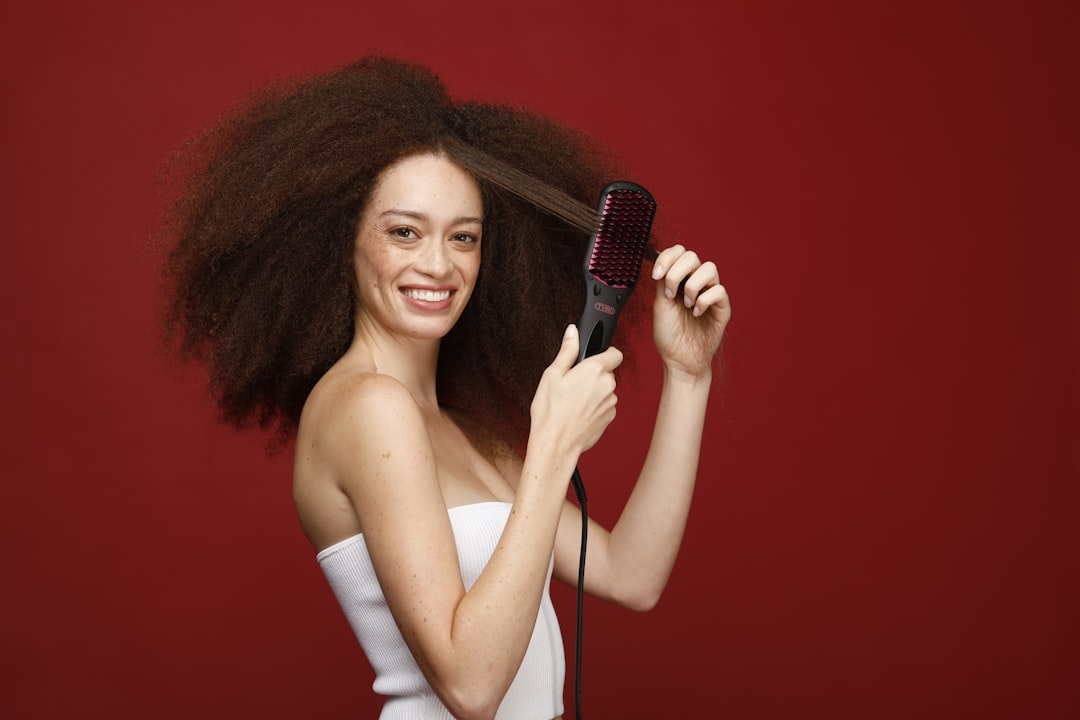
Once you’ve dried against the grain, finish by drying in your preferred direction. This locks the style in place and smooths the cuticle back down for shine. Total drying time should be 5–8 minutes for most men. Invest in a decent blow-dryer; budget models (£20–£40) often have uneven heat distribution, whilst mid-range ones (£60–£120) offer better control and faster drying.
What the Pros Know: Salon stylists use a round brush or vent brush whilst blow-drying to create additional lift and control. A paddle brush works well too. These tools lift the roots as you dry, creating mechanical volume that products alone can’t achieve. Running your fingers through whilst drying works for texture, but brushes deliver more dramatic height.
Product Selection: Matching Formula to Hair Type
Product choice depends on your hair type and desired look. Understanding the differences prevents wasting money on products that don’t suit you.
Pomades and Waxes
Heavy pomades (£6–£15) offer strong hold and shine but require daily washing because they build up quickly. They work best for thicker hair or slicked-back styles where weight isn’t an issue. Water-based pomades rinse out easier than oil-based versions, making them practical for everyday use.
Clay and Matte Pastes
These are ideal for volume-focused styling. Clay products (£8–£20) provide strong hold with a natural, unshinny finish. They grip the hair without making it stiff, and they don’t build up as quickly as traditional pomades. Use about the size of a thumbnail—slightly more than a marble. Work it through damp hair using your fingers, creating separation and texture as you go. These work particularly well for men seeking modern, natural-looking volume.
Lightweight Creams and Putties
For fine or thinning hair, these are game-changers. Creams (£7–£16) offer medium hold and a natural appearance. They’re forgiving if you overapply, and they dry to a soft finish that doesn’t look product-heavy. Putties offer slightly more control than creams with similar weight.
Texture Sprays
These aren’t styling products in the traditional sense—they’re pre-styling tools. Applied to damp hair, texture sprays (£6–£14) add grit and grip, making subsequent styling easier. They’re especially useful for fine or slippery hair that won’t hold a style. Use a light mist, not a heavy coating.
Dry Shampoo and Volumisers
Dry shampoo (£5–£12 per can) absorbs excess oil and adds texture, making hair appear thicker. Apply to dry hair, massage in, and brush out any visible residue. Use on day 2 or 3 of your hair cycle when oil buildup would otherwise flatten your style. Men in humid climates should carry a small can; it’s a lifesaver on long days.
Styling Techniques for Maximum Volume
Product selection is only half the battle. Technique determines whether you’ll actually achieve volume or just look like you’ve applied product to flat hair.
The Blow-Dry Foundation
Before touching any styling product, blow-dry your hair. This lifts the roots and sets the hair in an elevated position. Apply your chosen product to damp (not wet) hair. Wet hair is too heavy; the product distributes better and holds more effectively when hair is damp.
Finger Styling for Texture
Use your fingertips, not a comb, to work product through. Using fingers allows you to control each section and create separation—the visual opposite of a flat, combed style. Push the product upward and outward, creating peaks and valleys rather than smooth lines. This technique is especially effective with clay and texture products.
Drying with Product In
Once you’ve applied product, do a quick second pass with the blow-dryer on low heat to set the style. This dries the product and locks the hair into the position you’ve created. Skip this step and your style will shift as the product dries unevenly.
The Right Haircut
No technique or product compensates for a poor haircut. Request a cut with short sides (0–2 inches) and longer hair on top (2–4 inches). Ask your barber for “separation” and “texture”—codes for a cut designed to look thick and dimensional rather than blunt or flat. A good barber charges £20–£40 and should give you specific styling advice tailored to your hair. Visit every 4 weeks to maintain the cut’s shape.
Timeline: When to Expect Results

Changes happen on a specific schedule. Understanding this prevents disappointment.
- Days 1–3: Establishing a routine. You’ll notice immediate improvement from proper blow-drying technique and the right product, even if your hair hasn’t fundamentally changed.
- Weeks 1–2: Scalp health improving. With consistent washing and conditioning, sebum regulation stabilises. You’ll stop waking up with flat, greasy hair.
- Weeks 3–8: Hair structure strengthening. Damaged cuticles repair with proper conditioning. Your hair will feel thicker and look shinier because light reflects more evenly.
- Months 3–6: New growth appearing thicker. Hair grows approximately 0.4 inches per month. New hair benefits from your improved routine and appears noticeably thicker than older growth. Some men notice genuine density improvements at this stage, particularly if they’ve addressed scalp health issues.
- Beyond 6 months: Sustained improvement. Consistent routine maintenance keeps your hair looking its absolute best. Skip the routine and you’ll regress within days.
Common Mistakes That Destroy Volume
Small errors compound into flat, lifeless hair. Avoid these completely.
Over-washing
Washing daily strips natural oils and weakens the hair. Every other day is the sweet spot for most men.
Applying Product to Soaking Hair
Water dilutes product and prevents it from holding effectively. Damp is ideal; soaking is wasted product and wasted effort.
Using Too Much Product
More isn’t better. Use a thumbnail-sized amount. Excess product weighs hair down and looks obvious. Start small and add if needed.
Forgetting the Scalp
A flaky, oily, or irritated scalp produces excess sebum, flattening hair. Massage your scalp daily with your fingers, even if you don’t wash that day.
Combing Dry Hair Excessively
This breaks the cuticle and creates frizz, the enemy of volume. Use a wide-tooth comb on damp hair only. Fingers work better for dry styling.
Ignoring Heat Protection
Blow-drying without heat protection damages the cuticle long-term. Most volumising products include some heat protection, but consider a dedicated spray (£7–£14) if you style daily.
Seasonal Adjustments and Maintenance
Your routine should shift with the seasons.
Spring: Allergens and humidity increase. Switch to a gentle, fragrance-free shampoo if you develop scalp irritation. Humidity-resistant products become essential mid-season.
Summer: UV rays damage the hair cuticle, reducing shine and apparent thickness. Use a shampoo with UV filters (brands like Redken and Kérastase offer these). Reduce blow-drying heat to prevent additional damage. Chlorine from swimming requires a chlorine-removing shampoo after exposure.
Autumn: Hair transitions beautifully in stable conditions. Use this season to experiment with new products or techniques before winter demands more intensive care.
Winter: Dry indoor heating severely dehydrates hair. Deep condition weekly. Use a leave-in conditioner spray. Consider reducing blow-dry heat slightly; winter hair is naturally more brittle.
Advanced Tips for Maximised Results
Scalp Treatments
A dedicated scalp treatment used weekly can dramatically improve results. These are typically clay or oil-based formulas that deeply cleanse or nourish. Brands like Kérastase (£25–£35) and Kérastase Homme (£20–£28) offer professional-grade options. Apply to the scalp, leave for 10 minutes, then wash out. You’ll feel the difference immediately.
Protein Treatments for Fine Hair
Fine hair benefits from protein-enriched treatments that temporarily thicken each strand. Use monthly. These cost £10–£20 and provide noticeable results for men with naturally thin hair.
Finisher Sprays
A light hairspray (£6–£12) applied after styling locks your work in place. Don’t oversaturate; a quick mist is enough. Choose matte finishes to avoid the “product-heavy” look.
FAQ: Your Volume Questions Answered
Can thinning hair become thicker?
Your hair’s thickness is determined by genetics, but it can appear dramatically thicker through proper care and technique. Healthy hair cuticles reflect light better, styling products add volume, and proper blow-drying technique lifts roots. Men report 20–30% apparent thickness improvement within 8 weeks of consistent care.
Is blow-drying necessary every day?
Not strictly necessary, but it delivers far superior results. If skipping blow-drying, apply product to damp hair and let it air-dry in your preferred direction. This creates some volume but less than blow-drying. For maximum results, blow-dry on days when it matters (work, socialising); air-dry on casual days.
What’s the best budget-friendly routine?
Invest in one decent shampoo (£10–£15), a basic blow-dryer (£40–£60), and one versatile product like a clay paste (£12–£18). That’s roughly £65–£95 upfront, then £10–£15 monthly for shampoo and product refills. This basic routine delivers 80% of the results of more expensive approaches.
How often should I get a haircut?
Every 4 weeks for optimal volume. Hair grows constantly, and after 4–6 weeks, the cut shape deteriorates and styling becomes harder. Budget cuts (£15–£20) work if the barber understands volume cuts; premium barbers (£30–£50) offer more detailed advice and better blade technique. Choose your barber based on their portfolio, not price.
Will my hair ever look like I’m balding if I style for volume?
No. Volume techniques add height and texture, creating the appearance of fullness. If you’re experiencing actual hair loss (receding or thinning on the crown), volume styling helps mask it somewhat, but consult a dermatologist about underlying causes. For men with healthy hair, volume styling only improves appearance.
Your Next Steps
How to give your hair volume isn’t complicated, but it does require commitment to a consistent routine. Start this week by assessing your current shampoo and products. If they’re over a year old or cost under £5, replace them. Schedule a haircut with a barber who specialises in textured, dimensional cuts. Invest 10 minutes daily in proper blow-drying technique. Within 3 weeks, you’ll see measurable improvement. By week 8, the change will be obvious to everyone around you.
The techniques that worked in the 1950s still work in 2026. Consistency, proper tools, and the right knowledge compound into genuine results. Your hair’s potential is already there—you’re just learning to unlock it.