
What Is Hair Density: A Complete Guide to Understanding Your Hair
Contents:
- Understanding Hair Density Fundamentally
- Measuring What Is Hair Density
- Professional Measurement Methods
- At-Home Assessment
- How Hair Density Affects Styling
- Volume and Fullness Perception
- Styling Options and Limitations
- Hair Density and Hair Loss Concerns
- Real Story: Sarah’s Density Discovery
- Product Selection Based on Density
- Low-Density Hair Product Choices
- High-Density Hair Product Choices
- Common Mistakes to Avoid
- Frequently Asked Questions
- Can you increase hair density naturally?
- Does hair density change with age?
- How does hair density affect hair colour?
- Is low hair density a sign of bad health?
- Can extensions work for low-density hair?
Why does your friend’s shoulder-length hair look dramatically fuller than yours, even though your hair is longer? The answer likely involves hair density—a fundamental characteristic determining how voluminous your hair appears. What is hair density, exactly? It’s the number of hair strands growing per square inch of your scalp, measured on a scale from low to high.
Quick Answer: Hair density measures how many strands grow from your scalp per square inch. Low density means fewer, more spaced-out strands (typically 80–100 per square inch). Medium density is 100–150 strands per square inch. High density is 150+ strands per square inch. You can assess your density by feeling your scalp—easily visible scalp indicates low density; hidden scalp indicates high density.
Understanding Hair Density Fundamentally
Hair density differs from hair thickness (the diameter of individual strands). You can have thick individual strands with low density, creating sparse-looking hair. Alternatively, you can have thin individual strands with high density, creating very full-looking hair. Both characteristics matter, but they operate independently.
Your hair density is genetically determined at birth and largely unchangeable throughout your life. It’s a characteristic you’re born with, not something styling or products can alter permanently. However, understanding your density helps you work with your hair’s natural characteristics rather than against them.
Density varies significantly by ethnicity. Studies show that people of African descent typically have lower hair density (approximately 100–130 strands per square inch) but thicker individual strands. People of European descent average medium density (approximately 120–150 strands per square inch). People of Asian descent typically have higher density (approximately 150–180+ strands per square inch) but finer individual strand thickness.
Measuring What Is Hair Density
Professional Measurement Methods
Hair professionals measure density by counting individual strands in a specific area (typically a one-inch-by-one-inch square) of your scalp. This tedious but accurate method requires section off hair, counting visible strands in the marked area, and calculating the overall average. Most salons don’t perform this measurement—it’s time-consuming and clients rarely request it.
More commonly, stylists assess density visually by observing how much scalp is visible when your hair is pulled back or parted. Visible scalp indicates lower density. Completely hidden scalp indicates high density. This isn’t precisely scientific, but it provides functional accuracy for styling decisions.
At-Home Assessment
Pull your hair back in a tight ponytail and examine your scalp. If you see significant scalp between hair strands, you have low density. If your scalp is barely visible, you have high density. If the scalp is partially visible, you have medium density.
Alternatively, separate a one-inch-by-one-inch section of hair at your crown. Count the strands in that section (approximately 30 seconds of concentration). Multiply by four to estimate strands per square inch. Do this in 3–4 different scalp locations and average the results. Numbers under 100 indicate low density; 100–150 indicate medium; 150+ indicate high.
How Hair Density Affects Styling
Volume and Fullness Perception
High-density hair appears naturally full and voluminous. Styling these hair types is straightforward—the hair naturally fills space. Low-density hair requires deliberate technique to create fullness: teasing at roots, strategic layering, and volumising products become essential.
This explains why some people achieve voluminous styles effortlessly whilst others struggle despite using identical products and techniques. High-density hair forgives styling laziness; low-density hair demands precision.
Styling Options and Limitations
High-density hair handles heavy styles (multiple braids, intricate updos, tight curls) beautifully. These styles risk appearing sparse or straggly on low-density hair. Conversely, very voluminous styles can appear overwhelming on high-density hair, requiring thinning or careful styling technique.
Budget-conscious readers with low density should avoid styles requiring significant length and fullness—such styles demand professional styling and frequent maintenance. Instead, embrace shorter styles (12–16 inches), strategic layers, and styles that work with natural hair distribution rather than against it. Budget-friendly styling choices for low-density hair cost £25–£40 for cuts, with styling products (£5–£12) providing adequate hold.
Hair Density and Hair Loss Concerns
Many people with naturally low density worry about hair loss. Understanding density alleviates this anxiety. Low density isn’t hair loss—it’s your natural baseline. You cannot lose density you never had. However, genuine hair loss (medical conditions, nutritional deficiency, stress-related telogen effluvium) causes sudden density reduction below your baseline.
The distinction: naturally low-density individuals have always had sparse hair. Hair-loss patients typically have previously had fuller hair and are now losing density. If your hair has always been sparse since adolescence, you likely have natural low density rather than pathological hair loss.
That said, if you’ve previously had fuller hair and are now noticing increased scalp visibility or thinner appearance, consult a trichologist (hair specialist) or your GP. Genuine hair loss requires medical assessment.
Real Story: Sarah’s Density Discovery
Sarah spent years trying to achieve Instagram-inspired voluminous curls, despite having naturally low-density, fine hair. She purchased expensive volumising products (£20–£40 each), visited stylists promising fullness (£50–£80 per appointment), and felt perpetually frustrated. Nothing created the fullness she wanted.
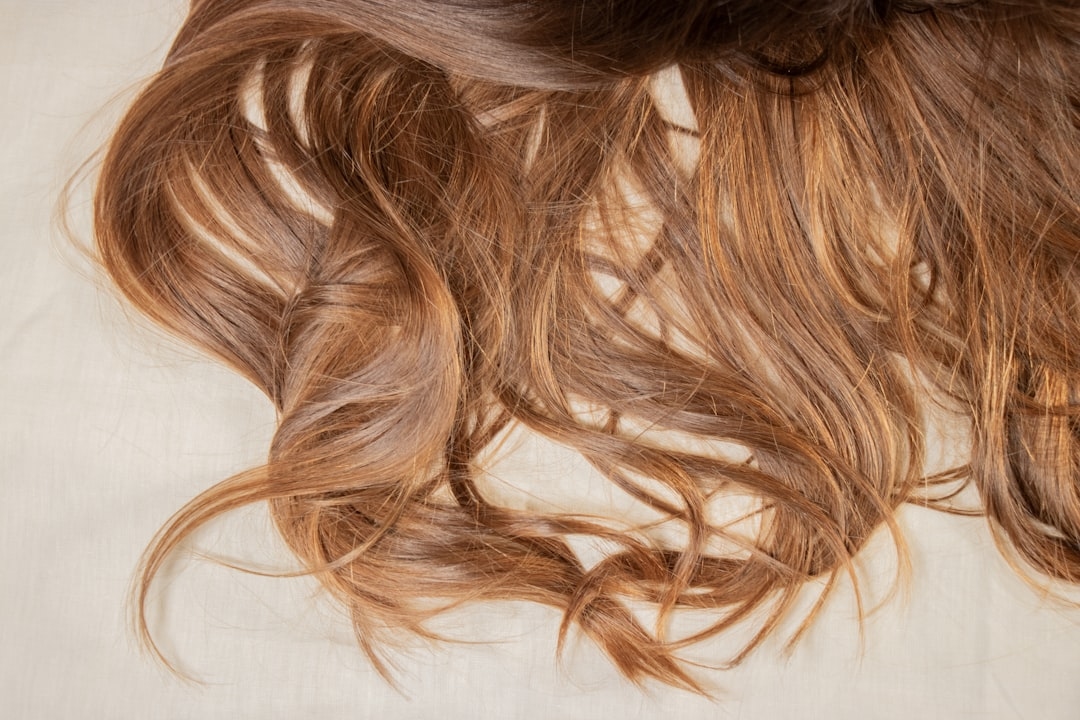
In 2025, a stylist explained that her low density meant certain styles would never appear as full as she desired, regardless of money spent. This wasn’t a personal failing or product deficiency—it was her natural hair characteristic. Sarah shifted strategies, embracing shorter styles (14 inches) with strategic layers that work with her natural density rather than fighting it. By 2026, she spends less monthly (approximately £30 on products, £40 on quarterly cuts) and feels satisfied with realistic styling expectations aligned to her actual density.
Product Selection Based on Density
Low-Density Hair Product Choices
Low-density hair benefits from lightweight products avoiding scalp weighing-down. Heavy conditioners, oils, and serums make sparse hair appear greasier without adding fullness. Instead, choose volumising mousses (£4–£8), lightweight leave-in conditioners (£5–£9), and dry shampoos (£4–£7) that add texture without weight.
Avoid products marketed for “thick hair” or “volume enhancement”—these are often heavy formulations that backfire on low-density hair. Look instead for “lightweight,” “volumising,” and “texturising” product descriptions.
High-Density Hair Product Choices
High-density hair tolerates—and often needs—heavier products. Rich conditioners, oils, and serums help manage the substantial volume without creating unwanted weight. These individuals can comfortably use products that would devastate low-density hair.
High-density hair benefits from moisturising products (£8–£15) because the volume is already present; management rather than enhancement is the priority.
Common Mistakes to Avoid
Mistake 1: Confusing density with thickness. These are independent characteristics. Fine individual strands can exist in high density (appearing full but feeling delicate). Thick individual strands can exist in low density (appearing sparse but feeling coarse). Determine both your density and thickness for accurate product selection.
Mistake 2: Assuming low density means hair loss. Natural low density is not pathological. Many healthy individuals have low-density hair their entire lives without issue. Consult a professional only if density suddenly decreases below your personal baseline.
Mistake 3: Fighting natural density rather than working with it. Trying to create fullness that contradicts your natural density wastes money and time. Accepting your actual density and choosing styles suiting it creates better results and cost-efficiency.
Frequently Asked Questions
Can you increase hair density naturally?
No. Hair density is genetically determined and unchangeable. However, improving overall hair health through proper nutrition, hydration, and care might help existing hair stay stronger and longer, reducing the appearance of density loss from breakage. This isn’t increasing density—it’s preserving existing density.
Does hair density change with age?
Density remains stable throughout life but can appear to decrease if hair is lost from medical conditions or normal ageing. Your baseline density doesn’t change, but accumulated hair loss can reduce your overall fullness relative to younger years.
How does hair density affect hair colour?
Density doesn’t directly affect colour uptake or tone, but it affects how colour appears visually. High-density hair shows colour more saturated and uniform. Low-density hair might show underlying scalp between coloured strands, creating less uniform colour appearance. Professional colourists account for density when recommending shades.
Is low hair density a sign of bad health?
No. Low density is a normal genetic trait affecting approximately 30–40% of the population. It’s not a health problem or nutritional deficiency. Many healthy individuals have naturally low density without any underlying health issues.
Can extensions work for low-density hair?
Yes, though they require careful application. Extensions attached to low-density hair risk traction stress on fewer anchor points. Consult an experienced extensionist who has worked with low-density hair. Expect to pay more (£400–£700 for quality application) because the work is more technically demanding.
What is hair density? It’s your hair’s natural strand distribution per square inch—a genetically-determined characteristic you work with rather than against. Understanding your actual density (low, medium, or high) eliminates frustration trying to achieve styles incompatible with your natural hair. Accept your density as a starting point for beautiful, realistic styling aligned to your actual characteristics rather than fighting against genetics with expensive products and endless styling attempts.