
Is Olive Oil Good for Your Hair?
Contents:
- The Short Answer: Yes, But With Conditions
- Understanding What Olive Oil Actually Does
- Which Hair Types Benefit Most
- Coarse and Textured Hair
- Dry and Damaged Hair
- Fine Hair and Scalp Sensitivity
- Olive Oil Versus Coconut Oil: What’s the Difference?
- How to Use Olive Oil Safely and Effectively
- The Pre-Wash Treatment Method
- The Scalp Massage Approach
- Spot Treatment for Ends
- Common Mistakes to Avoid
- Cost Breakdown: What You’ll Actually Spend
- Frequently Asked Questions
- Can olive oil repair split ends permanently?
- How often should I use olive oil on my hair?
- Will olive oil make my fine hair greasy?
- Is extra virgin olive oil better than regular olive oil for hair?
- Can I sleep with olive oil in my hair overnight?
Imagine running your fingers through strands that feel silky and look lustrous—the kind of shine that catches light naturally. That’s the promise many make when they reach for a bottle of olive oil, but the reality is far more nuanced than simply coating your locks with kitchen staple.
The Short Answer: Yes, But With Conditions
Is olive oil good for your hair? The evidence suggests it can be genuinely beneficial—but only when used properly and for the right hair types. Olive oil contains beneficial compounds including squalene, vitamin E, and antioxidants that can improve hair structure and protect against damage. The challenge lies in application method and hair type compatibility.
Understanding What Olive Oil Actually Does
Olive oil works in several distinct ways when applied to hair. First, it penetrates the hair shaft and helps to lock moisture inside the cortex—the middle layer of each strand. This is particularly valuable for dry, brittle, or textured hair that struggles to retain hydration naturally.
Research shows that certain oils, including olive oil, can reduce protein loss from hair. A study examining oil treatments found that those applied before washing offered superior protective benefits compared to post-wash application. The oil acts as a barrier, preventing shampoo from stripping away natural proteins that keep hair strong.
Additionally, olive oil contains polyphenols and other compounds that provide modest protection against UV damage and environmental stressors—though it’s not a replacement for dedicated UV protection products.
Which Hair Types Benefit Most
Coarse and Textured Hair
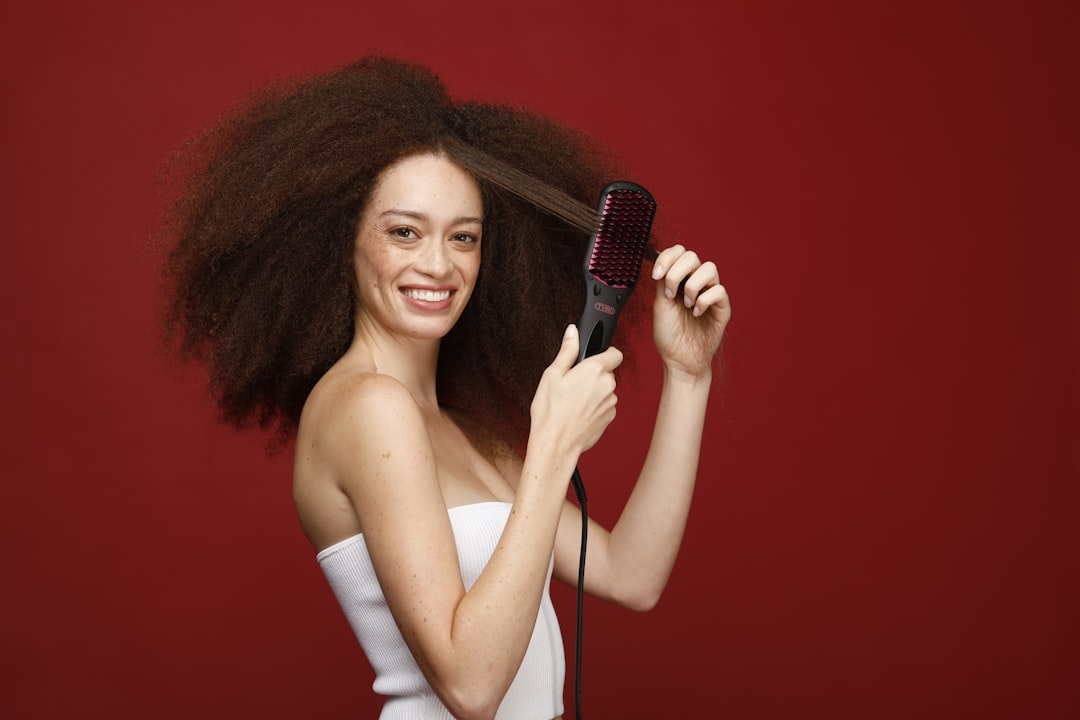
If you have tight curls, coils, or very thick hair, olive oil can be remarkably effective. These hair types naturally struggle with moisture retention because the curl pattern makes it harder for sebum to travel from your scalp down the hair shaft. A light coating of olive oil helps fill the gap, improving definition and reducing frizz.
Dry and Damaged Hair
Hair that’s been bleached, coloured repeatedly, or heat-damaged benefits from olive oil’s conditioning properties. The oil provides a protective layer that reduces further moisture loss whilst you’re repairing damage through regular trims and gentler styling practices.
Fine Hair and Scalp Sensitivity
Here’s where caution matters. Fine, thin, or oily hair can become weighed down within minutes of olive oil application. Similarly, if you have a sensitive scalp or dandruff, the occlusive nature of olive oil can trap bacteria and worsen flaking. In these cases, lighter alternatives work better.
Olive Oil Versus Coconut Oil: What’s the Difference?
Both oils are popular, but they behave differently on hair. Coconut oil has smaller molecular particles, allowing it to penetrate deeper into the hair shaft—making it ideal for fine hair that can tolerate it without becoming greasy. Olive oil sits more on the surface, providing excellent conditioning without as much penetration.
Coconut oil solidifies at cooler temperatures, requiring melting before use. Olive oil remains liquid, making application simpler. However, coconut oil’s penetrating ability means it can leave a residue that’s harder to wash out, whilst olive oil rinses more easily with standard shampoo.
For budget-conscious shoppers, olive oil is often cheaper—supermarket bottles start at £2 to £4, whilst quality coconut oil typically costs £6 to £10. If you’re testing oils before committing, olive oil offers better value for initial experiments.
How to Use Olive Oil Safely and Effectively
The Pre-Wash Treatment Method
Apply olive oil to damp hair, focusing on the mid-lengths and ends—avoid the roots unless your hair is very coarse and your scalp dry. Use approximately 1 to 2 tablespoons for shoulder-length hair, less for shorter styles. Leave it on for 20 to 30 minutes, or even overnight if your hair is particularly parched.
Wash thoroughly with your regular shampoo. You may need two applications to remove all residue, which is normal and not wasteful—proper rinsing prevents buildup.
The Scalp Massage Approach
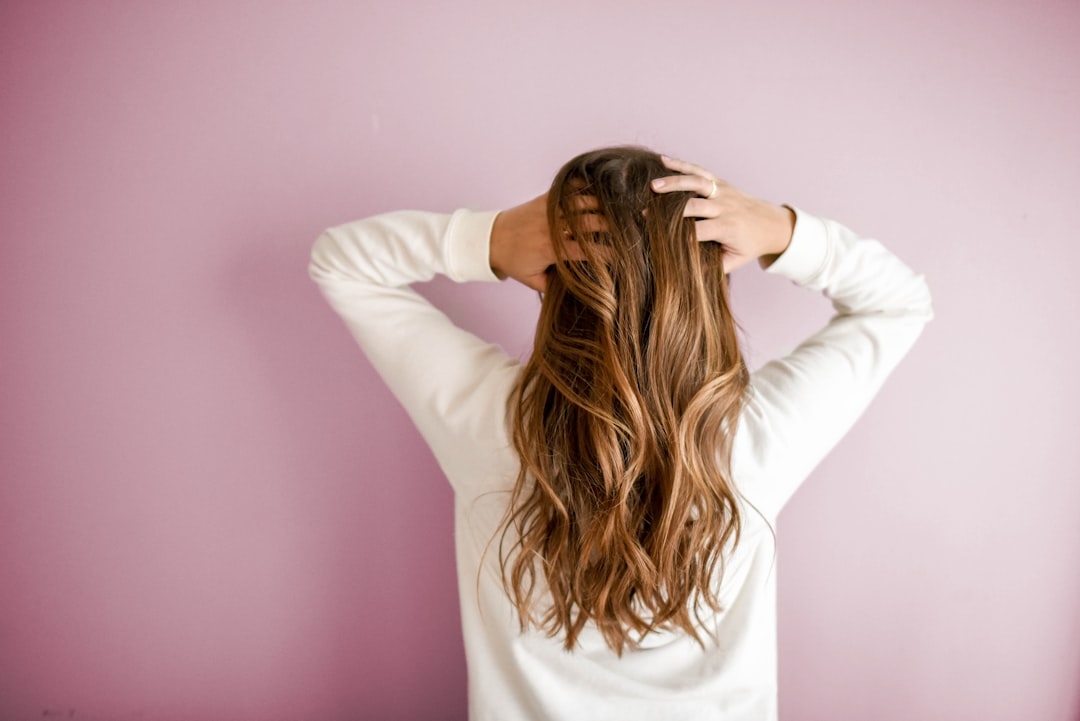
For scalp health specifically, warm olive oil slightly (never too hot) and massage it directly into your scalp for 5 to 10 minutes. This can help reduce dryness and promote circulation. Again, shampoo thoroughly afterwards.
Spot Treatment for Ends
A tiny amount—literally a few drops—worked through the last 2 to 3 inches of dry ends can reduce split-end appearance without the full-hair commitment. This is the lowest-risk approach if you’re testing whether olive oil works for you.
Common Mistakes to Avoid
Many people sabotage their results through application errors. Applying olive oil to completely dry hair means it simply sits on the surface without penetrating—always dampen your hair first. Leaving it on for hours without purpose wastes product; 30 minutes is genuinely sufficient for most hair types.
Using too much oil is perhaps the most common misstep. More isn’t better; excess oil becomes harder to rinse out and can leave hair looking limp. Start with half a tablespoon and increase only if your hair needs it. Finally, using olive oil daily on fine hair will inevitably lead to buildup and greasiness. Reserve it for once or twice weekly treatments instead.
Cost Breakdown: What You’ll Actually Spend
A standard 500ml bottle of extra virgin olive oil costs £4 to £7 and lasts approximately 10 to 15 treatments at 1 to 2 tablespoons per use. That breaks down to roughly 30p to 70p per treatment—significantly cheaper than comparable professional conditioning masks at £15 to £30 each. If you use it weekly, one bottle spans two to three months, making annual costs under £20.
Frequently Asked Questions
Can olive oil repair split ends permanently?
No. Olive oil can temporarily smooth split ends and make them less noticeable, but actual repair requires cutting. The only genuine solution for existing split ends is trimming them off. What olive oil does accomplish is preventing new damage through conditioning and protection.
How often should I use olive oil on my hair?
For most hair types, once or twice weekly works well. Fine hair should use it less frequently—perhaps fortnightly—or stick to end treatments only. Thick, coarse, or textured hair can tolerate weekly applications without issue.
Will olive oil make my fine hair greasy?
Almost certainly, if applied to the whole head. For fine hair, restrict olive oil to the bottom 3 inches as a targeted end treatment, or dilute it with a lighter oil like jojoba to reduce heaviness.
Is extra virgin olive oil better than regular olive oil for hair?
For hair purposes, the difference is minimal. Extra virgin retains more polyphenols due to minimal processing, but regular olive oil works effectively too. Buy whatever fits your budget—the conditioning benefit is comparable.
Can I sleep with olive oil in my hair overnight?
Yes, for coarse or damaged hair. Place a towel on your pillow to protect your bedding. For fine hair, overnight application risks morning greasiness that won’t fully rinse out. Test with a shorter 30-minute session first to see how your hair responds.
Olive oil genuinely improves hair health for many people, particularly those with dry, textured, or damaged hair. It costs little, requires no special equipment, and delivers visible results within a few applications. The real key is matching it to your specific hair type and using a consistent routine. Start with a single pre-wash treatment on damp mid-lengths and ends. If your hair feels softer and looks shinier without any greasiness, you’ve found a simple addition to your care routine.