
Does Coconut Oil Really Help Hair Growth?
Contents:
- The Science Behind Coconut Oil and Hair
- Does It Promote Hair Growth Directly?
- How Coconut Oil Benefits Hair Health
- Moisture Retention and Conditioning
- Scalp Health and Microbial Balance
- Protein Replenishment
- Regional Considerations and Climate Factors
- Common Mistakes to Avoid
- Practical Application Guide
- Weekly Treatment Protocol
- Everyday Use for Ends
- A Reader’s Story
- When Coconut Oil Isn’t Enough
- Frequently Asked Questions
- Can coconut oil cause hair loss?
- Is virgin coconut oil better than refined for hair?
- How often should I use coconut oil on my hair?
- Does coconut oil work on all hair types?
- Can I combine coconut oil with other treatments?
- The Bottom Line
Close your eyes and picture this: warm coconut oil warming between your palms, its sweet, familiar aroma filling your bathroom as you massage it into your scalp. The sensation is instantly soothing. But beneath that luxurious moment lies a real question—one thousands ask every month: does coconut oil actually help hair growth? The answer isn’t simple, but it’s worth exploring thoroughly.
Coconut oil has dominated the beauty shelves for over a decade, and for good reason. Its tropical origins and natural composition appeal to anyone seeking an alternative to harsh chemical treatments. Yet the gap between marketing promise and scientific reality can be wider than expected. Understanding what coconut oil can and cannot do will help you make an informed decision about whether it belongs in your hair care routine.
The Science Behind Coconut Oil and Hair
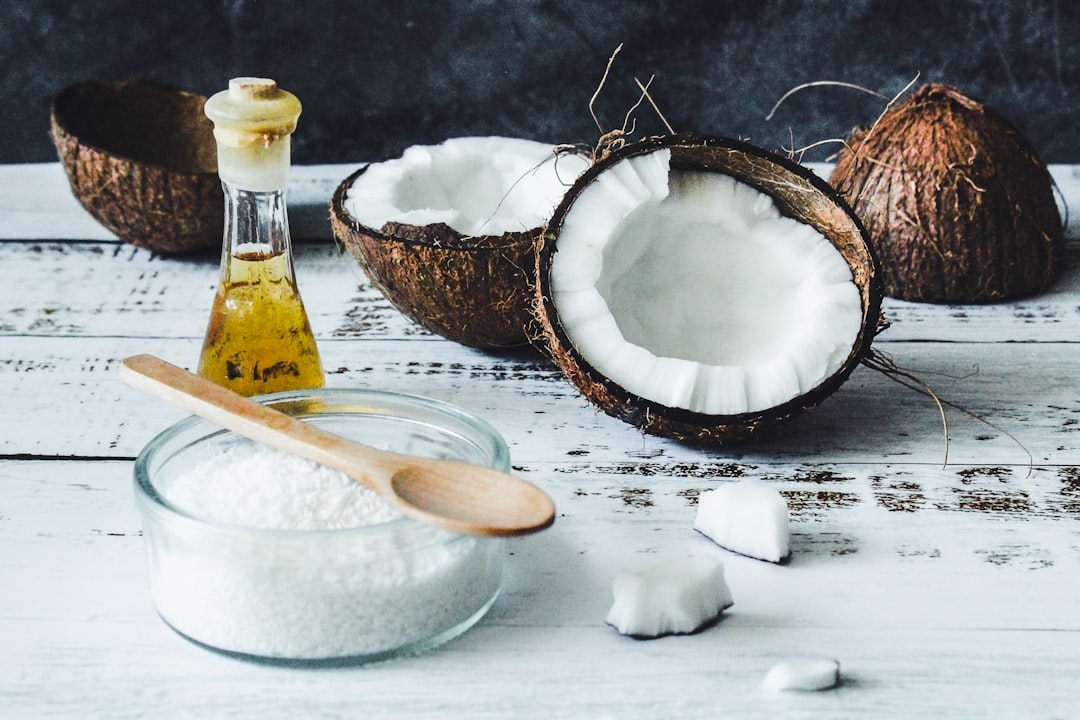
Coconut oil consists primarily of saturated fats, with lauric acid as its most abundant component (accounting for roughly 48% of the total fat content). This unique structure gives coconut oil properties that are distinctly different from most other oils used in hair care. Lauric acid has a molecular weight and composition that allows it to penetrate the hair shaft more effectively than many alternatives—a characteristic backed by research published in the Journal of Cosmetic Science.
When applied to hair, coconut oil can reduce protein loss during washing and styling, which is significant because hair is made primarily of keratin protein. A study found that coconut oil reduced protein loss by up to 20% compared to mineral oil or plain water, suggesting that it does provide a protective benefit to the hair cuticle.
Does It Promote Hair Growth Directly?
This is where precision matters. Coconut oil does not directly stimulate hair growth in the way that, say, minoxidil (the active ingredient in Rogaine) does. It doesn’t activate hair follicles or increase the number of hairs in the growth phase. Instead, coconut oil works as a protective and conditioning agent—it supports the hair you already have by preventing damage and keeping strands healthier.
Healthier hair is less prone to breakage and thinning, which can give the appearance of improved growth. This distinction is crucial: coconut oil supports your existing hair’s strength and vitality rather than generating new hair from dormant follicles.
How Coconut Oil Benefits Hair Health
Moisture Retention and Conditioning
The scalp and hair strands thrive with proper moisture balance. Coconut oil’s natural emollient properties seal moisture into the hair shaft, reducing frizz and brittleness. In humid climates like those found along the UK’s southwest coast, coconut oil can be particularly effective. Conversely, in drier areas like parts of the Midlands, you may need to adjust application frequency or combine it with water-based hydration methods.
Apply coconut oil as a pre-wash treatment: massage 2-3 tablespoons into damp hair, focusing on the mid-lengths and ends. Leave it for 15-30 minutes (or overnight if your hair is particularly dry), then shampoo thoroughly to remove residue.
Scalp Health and Microbial Balance
A healthy scalp is the foundation for healthy hair. Coconut oil possesses mild antimicrobial properties due to its lauric acid content, which may help reduce overgrowth of problematic bacteria or fungi on the scalp. This doesn’t mean coconut oil treats serious scalp conditions, but it can support your scalp’s natural defences in maintaining a balanced microbiome.
For scalp application, warm a tablespoon of organic coconut oil and massage it gently into your scalp using circular motions. Let it sit for 10-15 minutes before shampooing.
Protein Replenishment
As mentioned, coconut oil helps lock in protein within the hair shaft. For those with fine or damaged hair that has lost significant protein, this benefit is measurable. You’ll notice less breakage during brushing and styling, which translates to hair that appears thicker and fuller over time.
Regional Considerations and Climate Factors
Geography matters when choosing hair care strategies. In coastal regions of the South West—places like Cornwall or Devon—salt spray and humid air combine to stress hair in specific ways. Coconut oil’s protective coating can help shield hair from salt damage. Residents in drier regions like parts of Scotland may find that coconut oil alone isn’t enough and that combining it with lightweight leave-in conditioners yields better results.
Coconut oil also performs differently depending on water hardness. Hard water regions may see product buildup more easily, so using a clarifying shampoo once weekly is advisable.
Common Mistakes to Avoid
Many people unknowingly diminish coconut oil’s benefits through incorrect application:
- Using too much on thin hair: More than one tablespoon on fine hair can leave it looking greasy and weighed down. Start with half a teaspoon, dissolved in a carrier liquid.
- Applying to dry hair only: Coconut oil works best on damp hair. Applying it to bone-dry hair can trap moisture out rather than seal it in.
- Leaving it in too long: Overnight treatments are fine for thick or textured hair, but leaving coconut oil on fine, straight hair for extended periods can accumulate unwanted buildup.
- Neglecting to shampoo thoroughly: Coconut oil residue left in hair becomes obvious and counterproductive. Use a clarifying shampoo if regular shampoo doesn’t fully remove it.
- Expecting dramatic growth overnight: Any hair benefit from conditioning takes weeks to manifest. Be consistent for at least 4-6 weeks before evaluating results.
Practical Application Guide

For those living in small apartments or limited spaces, coconut oil can be applied efficiently. Store a small jar (around £3-6 for organic, virgin coconut oil) in your bathroom cabinet. One jar typically lasts 4-6 weeks with regular use.
Weekly Treatment Protocol
- Dampen your hair lightly with water.
- Warm one tablespoon of coconut oil between your hands (solid coconut oil melts at 24°C).
- Massage into your scalp and work through the lengths, focusing on ends.
- Leave for 15-30 minutes (scalp treatment) or up to 8 hours (full-hair conditioning).
- Shampoo and condition as usual, shampooing twice if needed to remove all oil.
- Dry and style normally.
Everyday Use for Ends
Mix a small amount of melted coconut oil with your regular leave-in conditioner to create a lightweight styling aid. This provides benefits without heaviness.
A Reader’s Story
Sarah, a marketing executive in Birmingham with fine, shoulder-length hair, struggled with breakage after years of frequent heat styling. She began using coconut oil once weekly as a pre-wash treatment. After eight weeks, she noticed noticeably less hair in her brush during styling and less breakage at the ends. Her hairdresser commented that her ends looked healthier. Sarah’s hair didn’t suddenly grow faster, but it became stronger—and that’s precisely what coconut oil can deliver. Her story reflects the realistic outcome for many: not miraculous growth, but measurable improvement in hair health.
When Coconut Oil Isn’t Enough
If your primary concern is significant hair loss or thinning, coconut oil alone won’t address underlying causes like androgenetic alopecia, thyroid dysfunction, or nutritional deficiencies. In these cases, consult a trichologist or dermatologist. Coconut oil works best as a supporting player in a comprehensive hair care routine, not as a standalone treatment for serious conditions.
Frequently Asked Questions
Can coconut oil cause hair loss?
Coconut oil itself doesn’t cause hair loss, but using too much on fine hair or leaving it in for excessive periods can cause mechanical breakage if the weight stresses the hair. Apply sparingly to fine hair and rinse thoroughly.
Is virgin coconut oil better than refined for hair?
Virgin (unrefined) coconut oil retains more natural compounds and has a richer aroma. Refined coconut oil is processed but is more stable and has less scent. Both offer similar conditioning benefits. Choose based on sensitivity and preference; virgin costs roughly 20-30% more (typically £6-9 per jar versus £4-6 for refined).
How often should I use coconut oil on my hair?
For thick or textured hair, once weekly is standard. For fine or straight hair, every 10-14 days works better to avoid buildup. Adjust frequency based on how your individual hair responds.
Does coconut oil work on all hair types?
Coconut oil benefits most hair types, but effectiveness varies. Fine, straight hair may find it too heavy; textured and curly hair typically thrives with it. Test on a small section first.
Can I combine coconut oil with other treatments?
Yes. Coconut oil pairs well with argan oil, jojoba oil, and keratin treatments. Avoid combining with silicone-heavy products immediately after application, as they compete for the same conditioning properties.
The Bottom Line
Coconut oil doesn’t directly stimulate hair growth, but it absolutely supports the health and strength of the hair you have. Through its protein-protecting and moisturising properties, it reduces breakage, improves shine, and creates an environment where hair can thrive. If you’re hoping for a miracle cure for hair loss, you’ll be disappointed. But if you’re seeking a natural, affordable, and genuinely effective way to strengthen your hair and improve its appearance, coconut oil deserves a place in your routine. The key is consistency, proper application, and realistic expectations. Start with a single jar, commit to 4-6 weeks of regular use, and observe how your hair responds. Most people find that when it’s used correctly, the results speak for themselves.