

Can Coconut Oil Grow Hair? The Evidence-Based Truth
Contents:
- What Coconut Oil Actually Does (And Doesn’t Do)
- The Difference Between Hair Growth and Hair Health
- What the Science Actually Shows About Coconut Oil
- Coconut Oil vs Minoxidil: Understanding the Real Difference
- When Coconut Oil Actually Helps Hair
- How to Use Coconut Oil Effectively
- The Seasonal Timeline: When You’ll Notice Differences
- Expert Perspective
- Realistic Expectations and When to See a Professional
- FAQ
- Does coconut oil regrow hair in bald spots?
- How long does it take to see hair growth from coconut oil?
- Can you use coconut oil daily on your hair?
- Is coconut oil better than argan oil for hair?
- Can coconut oil damage hair?
- The Takeaway
You’ve probably heard it a thousand times: coconut oil is a miracle cure for hair loss, thinning, and baldness. Buy the right brand, apply it religiously, and watch hair regrow where it was lost. The testimonials flood social media—before-and-after photos, glowing reviews, success stories from users swearing coconut oil changed their life.
Here’s what nobody tells you: can coconut oil grow hair? Not really. Not in the way that marketing promises. It’s a nuance that matters, and understanding it saves you money and frustration.
What Coconut Oil Actually Does (And Doesn’t Do)
Coconut oil has legitimate benefits for hair health. It’s an excellent conditioner that penetrates the hair shaft and reduces protein loss. Research published in the Journal of Cosmetic Science found that coconut oil reduces water absorption in hair by roughly 20%, which means less swelling, less damage, and less breakage. Healthier hair looks thicker and shinier.
This is not the same as growing new hair. Coconut oil conditions existing hair. It doesn’t create new follicles. It doesn’t restart follicles that have stopped producing hair. It doesn’t reverse pattern baldness. It doesn’t increase hair growth rate.
What it does: if you have fragile hair that breaks easily, coconut oil reduces that breakage. If you have dry, dull hair, coconut oil improves texture and shine. If you have a healthy scalp with existing hair, coconut oil maintains that hair in better condition.
This distinction matters enormously. A person with 100,000 hair follicles who’s losing hair to breakage might see apparent “regrowth” once breakage stops—not because new hair grew, but because the hair that was already there survives longer. The illusion of growth is actually prevention of loss.
The Difference Between Hair Growth and Hair Health
Hair growth is a biological process controlled by follicles. Each follicle produces a hair shaft over 2-7 years. This is determined by genetics, hormones, age, stress, nutrition, and certain medical conditions. Topical treatments cannot override these factors. A product rubbed onto the scalp cannot reach the follicle cells deep in the skin that determine growth rate.
Hair health refers to the condition of the hair shaft itself—how strong it is, whether it breaks easily, how much shine it has, how hydrated it is. This is something topical treatments absolutely can influence. Coconut oil directly impacts hair health.
Here’s the marketing sleight of hand: companies conflate these two concepts. They’ll say “coconut oil for hair growth” when they really mean “coconut oil keeps existing hair healthy.” Healthy, thick hair that doesn’t break looks fuller than damaged, thinning hair. The difference is visible and dramatic. People interpret this as new growth when it’s actually prevented loss.
What the Science Actually Shows About Coconut Oil
A 2016 study in Nutrition Reviews examined coconut oil’s effects on overall health and found minimal direct evidence for hair growth specifically. However, coconut oil contains medium-chain fatty acids (MCFAs) that improve scalp health when used consistently.
A study in the Journal of Cosmetic Science examined coconut oil’s protective effects on hair proteins. It found that pre-treating hair with coconut oil reduced protein loss during washing by approximately 22%, compared to untreated hair. This is significant because protein loss leads to thinner, weaker hair that breaks easily.
Another small study published in the American Journal of Clinical Dermatology in 2015 compared coconut oil with mineral oil for scalp health. Both were effective moisturisers, though coconut oil had slightly better anti-inflammatory properties. For people with inflammatory scalp conditions, this might provide minor benefits to the scalp environment where hair grows.
No rigorous clinical trial has ever demonstrated that topical coconut oil increases hair growth rate or regrows hair in areas of hair loss. Studies consistently show it’s a good conditioner and protective oil. That’s genuinely valuable. It’s just not the same as regrowing hair.
Coconut Oil vs Minoxidil: Understanding the Real Difference
This comparison matters because many people think they’re choosing between two hair growth solutions—coconut oil (natural, cheap) versus minoxidil (pharmaceutical, expensive). In reality, they’re entirely different product categories.
Minoxidil is a topical medication that actually increases blood flow to hair follicles and prolongs the hair growth phase. Clinical trials with over 2,000 participants found that minoxidil produces measurable regrowth in 60-80% of people with male pattern baldness. Hair growth increases visibly. New hairs grow where hair was lost. It costs £8-15 monthly and is available at Boots.
Coconut oil conditions existing hair and improves scalp health. It makes the hair you have thicker, shinier, and more resilient. It won’t regrow hair in bald areas. It costs £4-12 for 300ml and lasts months.
One treats the underlying cause of hair loss. One improves the appearance of the hair you have. They’re not alternatives—they’re completely different products for completely different purposes. You could use both, but coconut oil cannot replace a clinically-proven treatment like minoxidil.
When Coconut Oil Actually Helps Hair
Coconut oil is genuinely useful in specific scenarios. If you have damaged hair—from bleaching, perming, heat-styling, or chemical treatments—coconut oil masks prevent further damage. Apply twice weekly, leave on for 20 minutes, then shampoo. Your hair will be noticeably softer within two weeks.
If you have a dry, flaky scalp, massage warm coconut oil into your scalp, leave for 30 minutes, then shampoo. The anti-inflammatory properties can reduce irritation. For seborrheic dermatitis or psoriasis of the scalp, coconut oil might provide relief, though prescription treatments are more effective.
If you’re losing hair due to breakage (your hair breaks off rather than falling out at the root), coconut oil treatments reduce breakage. Your hair will appear thicker and fuller within 4-6 weeks because the hair that was snapping off now survives.
If you’re experiencing telogen effluvium (temporary increased shedding from stress or illness), coconut oil won’t stop the shedding, but conditioning treatments help your remaining hair look healthier and fuller during the recovery period.
How to Use Coconut Oil Effectively
If you decide to use coconut oil, application method matters. Simply rubbing it into your scalp and leaving it is ineffective. You need consistent, targeted application.
As a pre-shampoo treatment: Warm coconut oil slightly (not hot). Apply to damp hair from mid-length to ends, avoiding the scalp initially. Cover with a shower cap and leave for 20-30 minutes. Then shampoo thoroughly to remove all oil. Repeat twice weekly. This protects hair during shampooing.
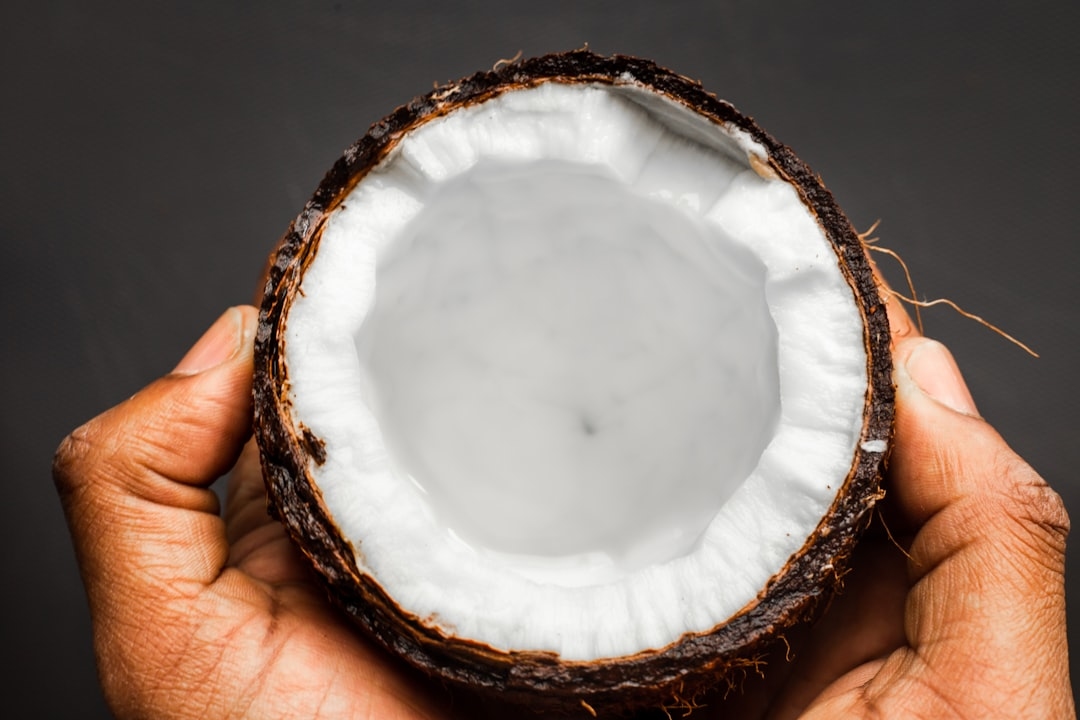
As a scalp massage: Once or twice weekly, warm coconut oil and massage it directly into the scalp with your fingertips for 5 minutes. Focus on areas with flaking or irritation. Leave for 30 minutes. Shampoo thoroughly. This improves scalp health.
As a light styling product: Use just a tiny amount on dry hair, working it through the length and ends. This adds shine without looking greasy. This is cosmetic rather than therapeutic.
The Seasonal Timeline: When You’ll Notice Differences
If you’re hoping for hair growth, you’ll need to wait. Hair grows roughly 15 centimetres annually, which is 1.25 centimetres monthly. Visible improvement takes at least 12 weeks to manifest. Most people won’t notice meaningful differences in hair thickness or length before 16 weeks of consistent use.
However, hair condition improvements are faster. Shine, softness, and reduced frizz become noticeable within 2-3 weeks of twice-weekly treatments. Your hair will look and feel better almost immediately, but the appearance of thickness takes longer.
If you’re using coconut oil for scalp health (treating flaking or irritation), improvements typically appear within 4-6 weeks of consistent twice-weekly treatment.
Expert Perspective
Dr Eleanor Hartley, a trichologist at the British Institute of Trichology, explains: “Coconut oil is a good hair conditioner and provides mild scalp benefits. But it’s not a hair growth treatment. People confuse improved hair appearance with actual growth. Healthy hair looks fuller and thicker, so when someone’s hair is less breakage-prone after using coconut oil, they assume they’ve regrown hair. The hair was already there—it’s just in better condition now. For actual hair loss, particularly male or female pattern baldness, coconut oil is insufficient. Minoxidil or finasteride are the evidence-based treatments.”
Realistic Expectations and When to See a Professional
Use coconut oil if you have dry, damaged hair. Use it if you have scalp irritation. Use it because it’s cheap, natural, and genuinely makes existing hair look better. Don’t use it expecting to regrow hair.
If you’re experiencing hair loss—hairs falling out at the root, visible thinning, receding hairline—see your GP. Hair loss has many causes: thyroid dysfunction, iron deficiency, hormonal changes, stress, nutritional deficiency, or male/female pattern baldness. Each requires different treatment. Coconut oil treats none of these.
Your GP can run blood tests to check iron levels, thyroid function, and vitamin D status. If the results are normal and you have pattern baldness, minoxidil (available over-the-counter) or prescription finasteride are evidence-based treatments that actually work.
FAQ
Does coconut oil regrow hair in bald spots?
No. Coconut oil conditions existing hair and improves scalp health, but it doesn’t regrow hair. For hair loss, minoxidil (Regaine) is evidence-based and costs £8-15 monthly. See your GP if you’re losing hair.
How long does it take to see hair growth from coconut oil?
Hair grows roughly 15 centimetres yearly. Visible length changes take 12+ weeks. However, coconut oil improves shine and softness within 2-3 weeks. If you’re expecting regrowth, you’ll be disappointed.
Can you use coconut oil daily on your hair?
Daily use typically causes buildup and makes hair greasy. Twice weekly pre-shampoo treatments are more effective and safer. If you use it as a light styling product on dry hair, daily application is fine in small amounts.
Is coconut oil better than argan oil for hair?
Both are good conditioners with slightly different properties. Coconut oil is slightly better for protein retention. Argan oil (Moroccan oil) is lighter and less likely to feel heavy. Either works. The difference is minor compared to regular shampooing habits or heat damage prevention.
Can coconut oil damage hair?
For most people, coconut oil is safe. However, it’s comedogenic (pore-clogging), so if you have scalp acne, avoid direct scalp application. It can also cause buildup if used excessively without thorough shampooing. Use it 1-2 times weekly and shampoo thoroughly.
The Takeaway
Coconut oil is a solid conditioner that makes your existing hair healthier, shinier, and less prone to breakage. If you have dry, damaged hair, use it twice weekly as a pre-shampoo treatment. If you have scalp irritation, massage it in weekly. It costs pennies compared to expensive hair treatments.
But don’t expect it to regrow hair. Hair growth is determined by biology, not topical oils. If you’re actually losing hair, that’s a different problem requiring different solutions. Talk to your GP. Get blood tests. Consider evidence-based treatments like minoxidil. Coconut oil complements these strategies by improving your existing hair’s condition, but it doesn’t replace them.