
Do Hair Extensions Damage Hair? Truth, Myths, and Expert Tips
Contents:
- Why This Question Matters
- The Basics: What Causes Extension-Related Hair Damage?
- Mechanical Damage
- Chemical Damage
- Thermal Damage
- Intermediate Level: Method-by-Method Damage Risk
- Nano-Ring and Micro-Ring Extensions
- Tape-In Extensions
- Keratin Bond (Fusion) Extensions
- Clip-In Extensions
- Advanced Nuances: What the Research and Specialists Actually Say
- The Condition of Your Natural Hair Before Extensions
- Aftercare: Where Most Damage Actually Happens
- Common Mistakes to Avoid
- FAQ
- Can extensions cause permanent hair loss?
- How long can you safely wear extensions?
- Are extensions safe for coloured or chemically treated hair?
- How do I know if my extensions are causing damage?
- What is the safest extension method for damaged hair?
When Victorian women began purchasing the shorn hair of rural European peasants to supplement their own elaborate updos, nobody was worrying about split ends or traction alopecia — beauty, as ever, demanded its price. Over a century later, hair extensions have become mainstream, accessible, and far more sophisticated, yet the anxiety around damage has only grown. Every season, new clients walk into salons having read horror stories online about bald patches, broken strands, and hair that “never recovered.” Some of those stories are true. Many are not. And the difference between the two almost always comes down to method, quality, and the skill of the person holding the application tool.
This guide cuts through the noise. It addresses the damage question honestly, explains the biology behind why damage happens (and why it does not have to), and gives you the practical knowledge to make an informed decision about your own hair.
Why This Question Matters
Hair is not just an aesthetic feature — for many people, it is a significant part of identity and self-confidence. The decision to add extensions is rarely trivial, and the fear of permanent damage is a legitimate concern that deserves a real answer rather than a sales pitch. Understanding the mechanisms behind extension-related damage empowers clients to choose better, ask smarter questions, and hold their stylists accountable to a higher standard.
There is also a financial dimension. Quality hair extensions represent a meaningful investment — typically £300–£600 or more for a full application at a London specialist — and the decision to proceed should be based on accurate information, not on either unwarranted fear or breezy reassurance.
The Basics: What Causes Extension-Related Hair Damage?
Hair damage from extensions falls into three broad categories: mechanical, chemical, and thermal. Each operates through a distinct mechanism and has distinct prevention strategies.
Mechanical Damage
Mechanical damage is the most common and the most misunderstood. It arises when extensions place more physical force on the natural hair than it can sustain. This force comes in two main forms: tension and friction.
Tension damage — often resulting in traction alopecia — occurs when extensions pull on the hair follicle repeatedly or continuously. The follicle responds by retreating from the scalp surface, and over time, the hair produced by that follicle becomes finer and shorter until it stops growing altogether. The follicle is not necessarily destroyed, but in advanced cases, the damage can be permanent. Heavy extensions applied to small, tight sections are the primary culprit. Clip-ins worn daily with large clips are another common cause.
Friction damage affects the hair shaft rather than the follicle. It occurs when extension bonds or clips rub against the natural hair repeatedly — during sleep, for instance — creating microscopic abrasion that weakens the cuticle layer. Over weeks and months, this manifests as dryness, frizz, and eventually breakage at the point of contact. Sleeping on a silk pillowcase and tying hair loosely at night are simple, effective preventions.
Chemical Damage
Chemical damage in the context of extensions is most commonly caused by adhesive residue. The acrylate compounds used in some tape-in adhesives and the acetone-based removers used to dissolve them can strip lipids from the hair shaft if overused or incorrectly applied. Clients with colour-treated or chemically processed hair are particularly vulnerable, as their cuticle layer is already partially compromised.
The solution is not to avoid adhesive-based methods entirely — it is to ensure that the remover is applied precisely, that it does not contact more of the hair shaft than necessary, and that the aftercare protocol includes adequate rehydration. A skilled stylist at Ivana Farisei uses a targeted application tool for adhesive remover rather than coating the whole section, and always follows removal with a conditioning treatment.
Thermal Damage
Thermal damage relevant to extensions occurs primarily during keratin bond (fusion) application, where a heated tool melts the adhesive bead. The temperature involved (typically 160–180°C) is high enough to cause structural changes in the keratin protein of the natural hair if the tool contacts the shaft directly. A trained stylist applies the heat to the extension bond only, not the natural hair — but technique slippage in less experienced hands is where thermal damage originates.
Intermediate Level: Method-by-Method Damage Risk
Different application methods carry different damage risk profiles. Understanding those profiles helps in choosing the right method for your hair’s condition and tolerance.
Nano-Ring and Micro-Ring Extensions
Ring-based methods have the lowest chemical and thermal risk profile of any permanent-wear extension method. No adhesives contact the scalp or hair shaft, and no heat is used at the root. The remaining risk is mechanical: if the rings are clamped too tightly, they can create a pressure point that damages the hair shaft at the bond. If sections are too large, the accumulated weight creates tension. At Ivana Farisei, ring size and clamping pressure are standardised across all applications — a calibrated tool is used rather than manual clamping — which all but eliminates this variable.
Tape-In Extensions
Tape-ins are generally safe for medium to fine hair when correctly applied and removed. The main risks are adhesive-related chemical exposure during removal and premature lifting of the tape edge, which — if the client pulls at a loose tape — can cause the attached natural hair to snap. Teaching clients not to pick at loose bonds is part of responsible aftercare education, and Ivana Farisei covers this explicitly at every application appointment.
Keratin Bond (Fusion) Extensions
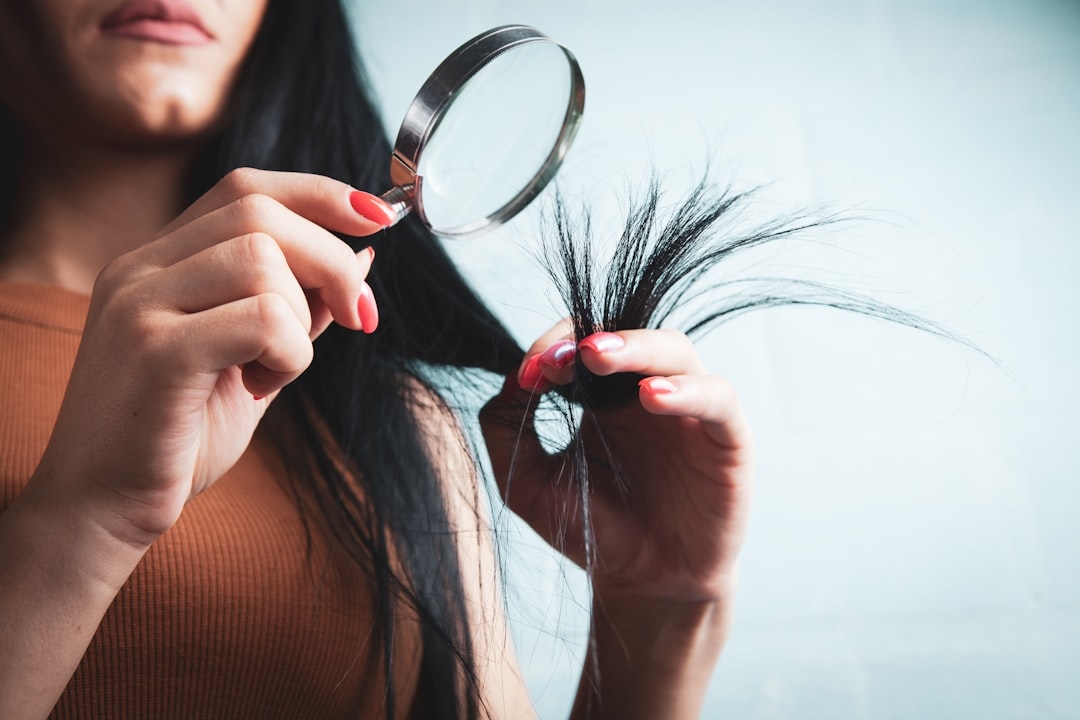
Keratin bonds carry the highest skill dependency of any method. In the hands of an experienced stylist, they are safe, long-lasting, and produce beautiful results. In less skilled hands, the thermal and mechanical risks are real. Section size, bond size, application temperature, and removal technique all require precise control. This method is generally not recommended for very fine or damaged hair, not because the method itself is inherently damaging, but because the margin for error is smaller.
Clip-In Extensions
Clip-ins are the safest method for hair health when used as intended — occasionally, for events or short-term use. Daily wear on fine hair is the scenario where clip-ins become problematic: the cumulative clamping and unclamping creates friction at the clip sites, and the weight of the weft section pulls on the hair root throughout the wearing day. A well-informed client who wears clip-ins occasionally, positions the clips correctly, and stores them properly will never experience damage.
Advanced Nuances: What the Research and Specialists Actually Say
The clinical literature on extension-related damage is relatively thin — it is not a heavily funded research area — but the available evidence supports several clear conclusions. A 2019 study published in the Journal of the American Academy of Dermatology found that traction alopecia was significantly more common among individuals who wore tight hairstyles or extensions regularly compared to those who did not, but that the risk was strongly modulated by the tightness of the application, not the fact of wearing extensions per se.
Specialists in trichology — the science of the hair and scalp — consistently emphasise that the hair follicle is more resilient than most people assume. Early-stage traction alopecia (characterised by a slight recession at the temples or hairline) is reversible if the source of tension is removed. Advanced-stage traction alopecia involving follicular scarring may not be. The distinction between these stages is often a matter of months, which is why regular maintenance checks — not just move-up appointments, but actual scalp health assessments — matter.
At Ivana Farisei, each move-up appointment includes a structured scalp check where the stylist examines the hair at each bond site for signs of stress before proceeding. If a section shows concerning thinning, the bond is removed and not reapplied in that location. This is standard practice at the salon and is built into the appointment time rather than offered as an optional extra.
The Condition of Your Natural Hair Before Extensions
One underappreciated variable in the damage discussion is the baseline condition of the natural hair at the time of application. Hair that is already compromised — by over-processing, nutritional deficiency, hormonal change, or illness — has a reduced tolerance for any additional load, regardless of method. A responsible stylist will conduct a pre-application hair health assessment and may recommend a conditioning programme before proceeding with extensions.
Clients who are postpartum, undergoing significant hormonal fluctuation, or recovering from a period of poor nutrition should be particularly cautious about timing. Hair that is in a shedding phase (telogen effluvium) is not a good candidate for any permanent-wear extension method. Ivana Farisei will sometimes recommend a client return in three to six months once the shedding phase has resolved rather than applying extensions to compromised hair — advice that costs the salon a booking but reflects a genuine commitment to client outcomes.
Aftercare: Where Most Damage Actually Happens
The majority of extension-related damage does not happen in the salon during application. It happens at home, during the weeks between appointments. The most common aftercare failures are: brushing extensions with the wrong tool (one without a loop or flexible bristle design), allowing bonds to mat together from neglected daily brushing, using sulphate-heavy shampoos that break down adhesives and dry out the hair shaft, and sleeping without securing the hair.
These failures are entirely preventable with adequate client education. The aftercare briefing at Ivana Farisei is conducted verbally, not handed off as a leaflet. The stylist walks through every step — how to brush, how to wash, how to sleep, when to book the move-up — and encourages questions. Clients who leave understanding what they need to do are considerably less likely to experience avoidable damage.
Common Mistakes to Avoid
- Choosing a salon based on price alone. Some salons apply extensions too quickly, using sections that are too large and bonds that are too heavy. The cost savings at application become costly in hair health terms within weeks.
- Skipping the consultation. A salon that is willing to apply extensions without first assessing your hair’s condition and discussing your lifestyle is a salon operating below the standard of care.
- Ignoring a loose or uncomfortable bond. A bond that pulls, aches, or feels tight is a warning sign. Leaving it in is how mechanical damage progresses.
- Attempting DIY removal. Pulling extension bonds out without the correct remover or tool is one of the most reliable ways to snap natural hair at the root. Removal should always be done professionally.
- Sleeping with wet hair and extensions. Wet hair has significantly reduced tensile strength, and sleeping on wet extensions creates friction and matting at the bonds that can only be resolved with laborious detangling — often causing breakage in the process.
- Overlapping extension applications without a rest period. Hair benefits from periodic rest between extension cycles. Most specialists recommend a minimum two-to-four-week break between full removals and reinstallations, allowing the scalp and follicles to recover.
FAQ
Can extensions cause permanent hair loss?
Permanent hair loss from extensions is rare but possible. It occurs when traction is applied consistently to the same follicles over an extended period, leading to follicular scarring. This outcome is almost entirely preventable with correct application technique and regular maintenance checks. Early-stage tension symptoms — tenderness at the scalp, a subtle hairline recession — should prompt an immediate appointment to review the bonds.
How long can you safely wear extensions?
Most extension specialists recommend wearing a given set for no more than three to six months before a full removal, scalp assessment, and rest period. The exact timeline depends on the method, the health of the natural hair, and how well aftercare has been followed. Nano-rings and micro-rings generally allow a slightly longer wear cycle than adhesive-based methods because they do not depend on a chemical bond that degrades over time.
Are extensions safe for coloured or chemically treated hair?
Coloured or chemically treated hair can safely support extensions provided it is in good structural condition. The key assessments are porosity (highly porous hair may not hold adhesive bonds as reliably) and tensile strength (over-processed hair with significant breakage needs a period of recovery before extensions are appropriate). A stylist who assesses these factors honestly before application — rather than simply booking the appointment — is one to trust.
How do I know if my extensions are causing damage?
Signs of extension-related stress include: scalp tenderness at bond sites, visible thinning of the hair at attachment points, increased shedding of short, broken strands (rather than full-length hairs), and a gradual recession at the hairline or temples. Any of these symptoms should prompt a consultation rather than a wait-and-see approach. The sooner tension is relieved, the better the recovery prospects.
What is the safest extension method for damaged hair?
For hair that is already compromised, clip-in extensions used occasionally are the safest option — they place no permanent load on the hair. Among permanent-wear methods, nano-rings have the lowest risk profile because they use no heat or chemicals and allow very precise control of attachment weight. The conversation with a specialist stylist should cover your hair’s current condition in detail before any method is selected.
