Is It Better to Dye Hair Dirty or Clean?
Contents:
- Why Professionals Recommend Dirty Hair for Dyeing
- Understanding Hair Dye Chemistry and Clean vs. Dirty Hair
- When to Dye Hair Dirty vs. Clean
- Dye Dirty Hair When:
- Dye Clean Hair When:
- Seasonal and Timing Considerations
- Common Mistakes to Avoid When Dyeing Hair
- Practical Application Guide
- Frequently Asked Questions
- Can I dye my hair the same day I wash it?
- Does dirty hair dye better than clean hair?
- Is it better to dye hair dirty or clean for roots?
- How often should I wait between shampooing and dyeing?
- Does the quality of dye affect whether dirty or clean hair is better?
- Making Your Decision About Dirty vs. Clean Hair Dyeing
Should you dye hair when it’s freshly washed or after several days without shampooing? The answer to “is it better to dye hair dirty or clean” matters significantly for colour results and hair health. Professional colourists recommend dirty hair—hair that hasn’t been shampooed for 2-3 days—for most people. However, this isn’t universally true; specific circumstances favour clean hair instead. Understanding the science behind this recommendation helps you decide what’s best for your individual situation.
Why Professionals Recommend Dirty Hair for Dyeing
Hair accumulates natural oils (sebum) on the scalp and along the hair shaft between washes. These oils aren’t dirty in the hygiene sense; they’re protective. Sebum coats the scalp and hair, providing a barrier against chemical dye damage. When you shampoo, you strip away this protective layer, exposing the scalp and hair to direct chemical contact. Dyeing freshly washed hair means the dye contacts bare scalp and cuticle without this protective barrier, potentially causing irritation, sensitivity reactions, and increased hair damage.
Additionally, sebum helps colour distribute evenly. The oils slightly slow down dye penetration, allowing more uniform colour deposition across the hair shaft. This mechanism is particularly important for complex colours or if you’re trying to achieve even tone distribution.
Understanding Hair Dye Chemistry and Clean vs. Dirty Hair
Hair dye (whether permanent, semi-permanent, or temporary) consists of colour molecules suspended in a chemical solution. The solution opens the hair cuticle and deposits colour into the cortex. The rate at which dye penetrates depends partly on how resistant the hair is—which depends on its condition and protective barriers.
Dirty hair (with sebum present) resists dye penetration slightly, slowing the process. This sounds negative, but it’s actually beneficial: slower, more controlled penetration produces more even colour. Clean hair accepts dye more rapidly, which can result in uneven colour if the dye processes faster in some areas than others.
Scalp irritation risk differs dramatically between clean and dirty hair. Sebum protects the sensitive scalp skin from direct dye chemical contact. Without this protection, scalp dermatitis, burning sensations, and allergic reactions occur more frequently. Professional salons apply a protective barrier cream to the scalp before dyeing precisely because they’re aware of this risk.
When to Dye Hair Dirty vs. Clean
Dye Dirty Hair When:
- You have sensitive scalp (history of dermatitis, psoriasis, or chemical sensitivity)
- You’re going darker or using permanent dye (strongest chemicals, highest irritation risk)
- Your hair is already damaged or bleached (extra protection needed)
- You’re colouring roots only (maximum scalp contact with chemicals)
- You want the most even colour result
Dye Clean Hair When:
- You’re applying semi-permanent or temporary dye (much milder chemicals)
- Your hair is previously uncoloured and healthy
- You have a very oily scalp (excessive oil can prevent colour proper deposition)
- You have long hair with minimal root issues
- You want maximum colour intensity (slightly faster dye absorption creates slightly richer colour)
Seasonal and Timing Considerations
Seasonal factors influence whether dirty or clean hair is optimal. In winter (November-February), scalp produces more oil naturally due to heating systems and cold temperatures. Dirty hair is ideal during winter; you’re leveraging natural oil production. In summer (June-August), swimmers and people showering daily have cleaner scalp oil levels. Summer semi-permanent dyes on clean hair work adequately because the chemicals are milder.
Additionally, timing relative to your regular wash schedule matters. Most people shampoo every 2-3 days. Plan to dye on day 2-3 post-wash, when natural oils have accumulated sufficiently but before they become excessively greasy. This timing optimises protection and colour distribution simultaneously.
Common Mistakes to Avoid When Dyeing Hair
- Shampooing immediately before dyeing: Wait minimum 24 hours between shampooing and dyeing. Ideally, wait 48-72 hours for maximum sebum accumulation.
- Over-shampooing dirty hair: If your hair is genuinely dirty (dust, sweat), a quick rinse with plain water works. Avoid full shampooing; the goal is dirty hair, not soiled hair.
- Applying dye to soaking-wet hair: Damp is fine; dripping wet dilutes the dye and prevents even colour. Towel-dry damp hair before applying dye.
- Skipping scalp protection on “clean” dye jobs: Even with clean hair, apply protective cream around the scalp hairline to prevent staining.
- Not doing an allergy patch test: Always test dye on a small scalp area 24-48 hours before full application, regardless of whether hair is dirty or clean.
- Assumption that dirty hair = unwashed for days: “Dirty” means 2-3 days post-wash, not a week of accumulation. Excessive buildup can prevent colour deposition.
Practical Application Guide
Optimal approach for most people: shampoo your hair, then wait 2-3 days before dyeing. By day 2-3, you’ve allowed adequate sebum to accumulate (protective), but hair isn’t excessively oily. If you have very oily hair naturally, wait only 1-2 days. If you have dry hair, wait the full 3 days.
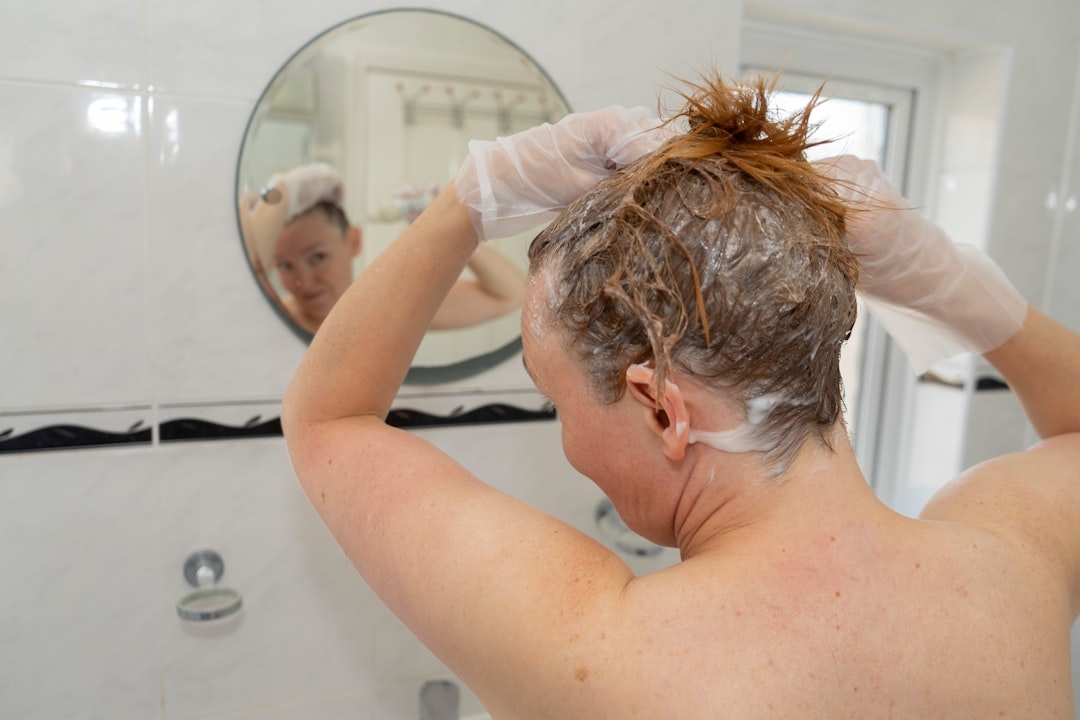
Before dyeing, apply a protective cream barrier along your hairline and over your ears. This protects skin from staining, adding an extra protective layer beyond sebum. Professional salons use specific barrier creams (£3-5 retail) or Vaseline works similarly at minimal cost.
If your hair is excessively dirty (accumulated sweat, dust, or product buildup), do a quick water rinse without shampoo to remove obvious debris, then wait 24 hours before dyeing. This approach cleans without stripping protective oils.
Frequently Asked Questions
Can I dye my hair the same day I wash it?
Technically yes, but not ideally. You lose sebum protection, increasing scalp irritation risk. If you must dye immediately after washing, at minimum wait 4-6 hours to allow some oil reaccumulation, and apply protective cream around the scalp.
Does dirty hair dye better than clean hair?
For most people with most dyes, yes. Sebum provides protection and aids even colour deposition. However, for people with very oily scalp or using mild semi-permanent dyes, clean hair works adequately and may produce slightly richer colour intensity.
Is it better to dye hair dirty or clean for roots?
Always dye roots with dirty hair. Root application brings dye closest to the scalp. Dirty hair’s protective sebum is essential. Wait 3+ days post-wash for root-only dyeing.
How often should I wait between shampooing and dyeing?
Ideally 2-3 days. This provides adequate sebum accumulation without excessive buildup. If unable to wait, minimum 24 hours is acceptable, though 2-3 days is preferable.
Does the quality of dye affect whether dirty or clean hair is better?
Slightly. Premium dyes formulated to be gentler work acceptably on cleaner hair. Budget dyes with stronger chemicals benefit more from dirty hair protection. Permanent dyes always benefit from dirty hair; semi-permanent dyes have more flexibility.
Making Your Decision About Dirty vs. Clean Hair Dyeing
Is it better to dye hair dirty or clean? For most people, dirty hair—specifically hair that hasn’t been shampooed for 2-3 days—is optimal. The natural sebum protects your scalp, aids even colour deposition, and reduces irritation risk. However, people with very oily scalp or using mild semi-permanent dyes can dye clean hair with acceptable results. Before dyeing, wait 48-72 hours post-wash, apply protective cream around the hairline, and do an allergy patch test. This approach balances protection, colour results, and scalp health regardless of whether you choose the dirty-hair approach or the clean-hair approach.