
What Is Hair Serum?
Contents:
- What Is Hair Serum? Definition and Basic Composition
- Types of Hair Serum and Their Purposes
- Silicone-Based Serums
- Oil-Based Serums
- Leave-In Serums vs. Rinse-Out Serums
- How Hair Serum Works on Your Hair Structure
- Hair Serum vs. Other Hair Products
- Serum vs. Conditioner
- Serum vs. Leave-In Conditioner
- Serum vs. Hair Oil
- What the Pros Know
- Choosing the Right Hair Serum for Your Hair Type
- Fine Hair
- Thick or Coarse Hair
- Curly or Textured Hair
- Damaged or Coloured Hair
- Regional Perspectives on Hair Serum Use
- Frequently Asked Questions
- Is hair serum necessary or just a marketing product?
- Can you use hair serum on the scalp?
- How often should you use hair serum?
- Does hair serum cause product buildup?
- Which is better: silicone or oil-based serum?
You’re standing in the hair care aisle, scanning dozens of bottles, and you spot something called “hair serum.” You already use shampoo and conditioner—what’s the difference? Is it necessary? What exactly is hair serum, and would it benefit your hair? Understanding what hair serum is and how it differs from other hair products helps you make informed purchasing decisions and build an effective hair care routine.
What Is Hair Serum? Definition and Basic Composition
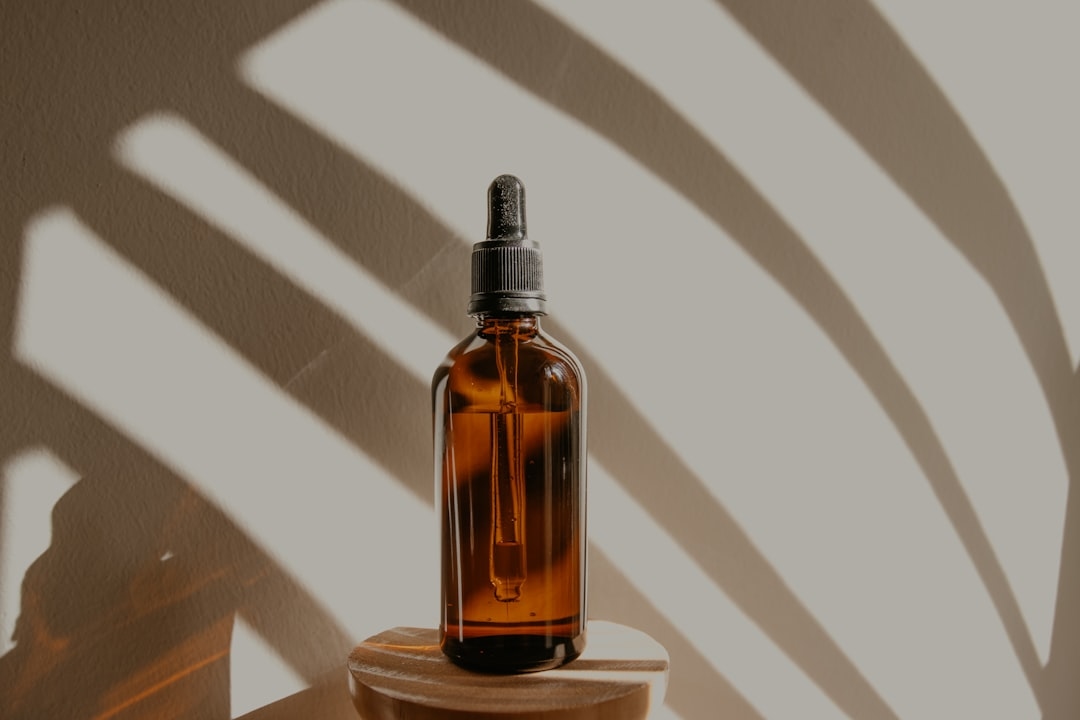
Hair serum is a lightweight, concentrated product formulated with silicones, oils, or botanical extracts that coat the outer layer of hair to reduce frizz, add shine, and seal moisture in. The most common type is silicone-based serum, which contains dimethicone or other silicone polymers. These silicones are slippery, lightweight molecules that create a smooth surface on the hair shaft without adding weight or heaviness.
Oil-based serums use natural oils like argan, coconut, or jojoba as the primary active ingredient. These serums provide more moisture and nourishment than silicone serums but can feel heavier on fine hair. Many modern serums blend both silicones and oils to combine benefits: the shine and frizz control of silicones with the nourishment of natural oils.
The key distinction between hair serum and conditioner is purpose and placement. Conditioner adds moisture and volume throughout the hair; serum provides shine, smoothness, and frizz reduction primarily on the outer cuticle. You use conditioner on the entire hair length and roots; serum typically goes on mid-lengths and ends only. A good hair serum is concentrated (you use only a small amount, typically 2-3 drops for shoulder-length hair) and disperses easily through hair.
Types of Hair Serum and Their Purposes
Silicone-Based Serums
Silicone serums (containing dimethicone, cyclopentasiloxane, or other silicon polymers) are the most common type. They coat the hair surface, creating an immediately visible shine and smoothness. Silicone serums range from very lightweight (ideal for fine hair) to heavier formulas (for thick, coarse hair). Most silicone serums are water-resistant and relatively long-lasting on hair.
Budget options cost £2-5 (like Boots Hair Serum, £3), whilst mid-range products cost £12-20 (like Tresemmé Keratin Smooth Shine Serum, £5-7), and premium serums cost £25-45 (like Moroccanoil Treatment Original, £18, or GHD Heat Protect Hair Serum, £25). The price difference reflects ingredient quality and concentration, but budget serums provide visible frizz reduction and shine.
Oil-Based Serums
Oil-based serums use argan, coconut, jojoba, or almond oil as primary ingredients. These provide moisture and nourishment alongside shine and frizz control. They’re thicker than silicone serums and better suited to dry, damaged, or thick hair. Fine hair can appear limp if over-applied with oil serums.
Coconut oil serums cost £3-6; argan oil serums typically £8-15. Premium brands like Olaplex No. 7 Bonding Hair Oil (£28) or Briogeo Glossy Waves Citrine Argan + Aloe Light Defining Crème-Serum (£22) offer enhanced benefits beyond basic shine.
Leave-In Serums vs. Rinse-Out Serums
Leave-in serums are applied to clean, damp hair and remain in throughout the day. Rinse-out serums (less common) are applied to damp hair but rinsed out after 5-10 minutes. Leave-in serums are more practical for most people. They’re designed to dry without residue or greasiness when used in proper amounts.
How Hair Serum Works on Your Hair Structure
Hair has three structural layers: the protective cuticle (outer layer), the cortex (middle layer containing colour and strength), and the medulla (innermost core). Hair serum works exclusively on the cuticle layer, filling microscopic gaps between cuticle cells and creating a smooth, reflective surface. This smooth surface reflects light uniformly, creating shine. Smooth cuticles also lie flat, reducing frizz caused by raised, roughened cuticles.
Serums do not penetrate deeply into the cortex like conditioner does. This is actually beneficial—it prevents the product from weighing hair down whilst still providing noticeable benefits. The serum essentially polishes the hair’s outer surface.
For damaged hair, serums temporarily seal damaged cuticle edges and smooth the surface, making hair appear healthier and shinier than it actually is. This is cosmetic rather than restorative, but it’s valuable—looking better improves confidence whilst you repair damage through deep conditioning and reducing heat styling.
Hair Serum vs. Other Hair Products
Serum vs. Conditioner
Conditioner adds moisture, protein, and thickness throughout your hair. Serum adds shine and smoothness to the surface. You need both for comprehensive hair care. Think of conditioner as the foundation and serum as the finishing polish. Use conditioner after every shampoo; use serum 2-3 times weekly or as needed for frizz.
Serum vs. Leave-In Conditioner
Leave-in conditioner is lighter than rinse-out conditioner and designed to remain in the hair, providing ongoing moisture and heat protection. It’s thicker and more nourishing than serum but lighter than traditional conditioner. Many people use both: leave-in conditioner for moisture, serum for shine. Some people use only one depending on their hair type—fine hair typically needs serum, not leave-in; thick or curly hair often needs leave-in, sometimes serum.
Serum vs. Hair Oil
Pure hair oils (like coconut oil or argan oil) are heavier and more concentrated than oil-based serums. Serums are formulated to feel lighter and dry without greasiness. If you apply pure coconut oil heavily, your hair feels slick and looks greasy. A serum provides similar benefits but with lighter feel and better dispersion. Serums are a more refined, cosmetically elegant version of oils.
What the Pros Know
Serum application technique matters more than product choice: Professional hairstylists emphasise that a tiny amount applied correctly beats generous amounts of premium serum. Using 2-3 drops and working through hair from mid-length downward ensures even distribution. Many people over-apply, creating greasy-looking hair. Experiment with different amounts—start with 1-2 drops and add more only if frizz remains.
Choosing the Right Hair Serum for Your Hair Type
Fine Hair
Fine hair needs lightweight silicone serums only. Oil-based serums weigh fine hair down immediately. Look for serums marketed as “lightweight” or “for fine hair.” Tresemmé Keratin Smooth Shine Serum (£5-7) or budget options work well. Apply sparingly—1-2 drops maximum, focused on ends only.
Thick or Coarse Hair
Thicker hair can handle oil-based serums or heavier silicone serums. Argan oil serums (£8-15) or coconut oil products work well. Thicker hair tolerances up to 4-5 drops without appearing greasy. Apply throughout the entire length, including mid-hair.
Curly or Textured Hair
Curly hair benefits from serums that enhance curl definition without frizz. Oil-based serums work better than silicone-only products because curls need moisture alongside smoothness. Products like Cantu Coconut Curling Cream (£6) or DevaCurl SuperCream Coconut Curl Styler (£24) combine serum benefits with curl definition.
Damaged or Coloured Hair
Damaged hair needs nourishing serums alongside frizz control. Oil-based serums or serums combining silicone and oils provide both benefits. Olaplex No. 7 Bonding Hair Oil (£28) or Briogeo serums (£20-25) work well for extensively damaged hair.
Regional Perspectives on Hair Serum Use
Hair serum popularity varies by region in the UK. London and Southeast England (higher humidity) see greater serum use because frizz is a year-round concern. Northern regions (Yorkshire, Manchester, Newcastle) have more moderate humidity, and serum use is less frequent. Scotland and Wales, with variable humidity, see seasonal variation in serum use—heavier use in summer months when humidity spikes. Climate directly affects how much serum people need.
Frequently Asked Questions
Is hair serum necessary or just a marketing product?
Hair serum genuinely reduces frizz and adds shine through measurable effects on the cuticle. Whether it’s necessary depends on your hair type and climate. People with straight, fine hair in low-humidity climates may not notice much benefit. People with thick, curly, or frizz-prone hair, especially in humid climates, see substantial improvements. If you have noticeable frizz, serum provides visible benefits.
Can you use hair serum on the scalp?
No. Hair serum should never touch the scalp. Applying serum to roots makes hair appear greasy and flat whilst potentially clogging pores. Apply serum exclusively to hair mid-length and ends, keeping it at least 5cm away from the scalp.
How often should you use hair serum?
For people with oily or fine hair, use serum 1-2 times weekly or when you notice frizz. For people with dry, thick, or curly hair, use 3-4 times weekly or daily in humid climates. Start with less frequent use and increase if needed—over-use creates greasy appearance.
Does hair serum cause product buildup?
Silicone serums can cause buildup if used excessively (more than daily applications), which manifests as dull, limp hair. If you notice buildup, use a chelating shampoo once monthly to remove accumulation. Using serums at recommended amounts (2-3 drops, 2-4 times weekly) prevents buildup entirely.
Which is better: silicone or oil-based serum?
Neither is objectively better—they serve different purposes. Silicone serums provide immediate shine and frizz control with lightweight feel. Oil-based serums provide shine, frizz control, and nourishment with heavier feel. Fine hair needs silicone; thick or dry hair needs oil-based. Blended serums offer benefits of both.