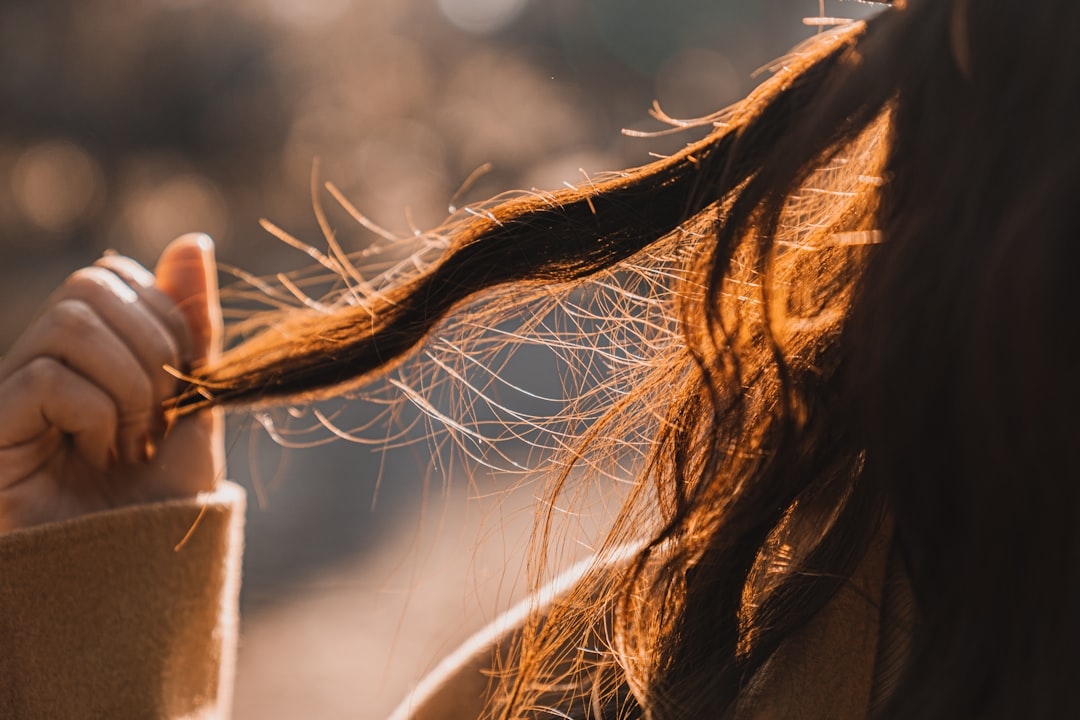
Why Does My Hair Keep Breaking? Complete Causes and Solutions
Contents:
- The Science of Hair Breakage
- Heat Damage: The Most Common Cause
- Chemical Damage from Colouring, Perming, and Treatments
- Mechanical Damage from Brushing and Handling
- Environmental Factors: Hard Water and Humidity
- Nutritional Deficiencies
- A Reader’s Story: From Breakage to Resilience
- Seasonal Timeline and Cost Breakdown
- FAQ
- Is broken hair the same as split ends?
- How long does it take to see improvement after stopping heat styling?
- Can you repair broken hair or only prevent future breakage?
- Does hair breakage indicate a serious health problem?
- What’s the fastest way to stop hair breaking?
- Starting Your Breakage Recovery This Week
Most people will experience significant hair breakage at some point in their lives. Studies suggest that roughly 40-50% of people notice visible breakage or split ends within any 6-month period. Yet breakage feels uniquely frustrating because it’s so visible—short broken hairs around your face and neckline, shortening overall hair length despite not cutting it, a perpetually scraggly appearance.
Understanding why hair keeps breaking requires identifying which of several distinct causes is affecting your hair. Each cause has specific solutions. Once you identify what’s happening, fixing it becomes straightforward.
The Science of Hair Breakage
Hair breaks when the protein structure (primarily keratin) becomes weak enough that tensile stress causes it to snap rather than stretch. Healthy hair can stretch 20-30% before breaking. Damaged hair breaks at 10-15% stretch. This means damaged hair is significantly more fragile.
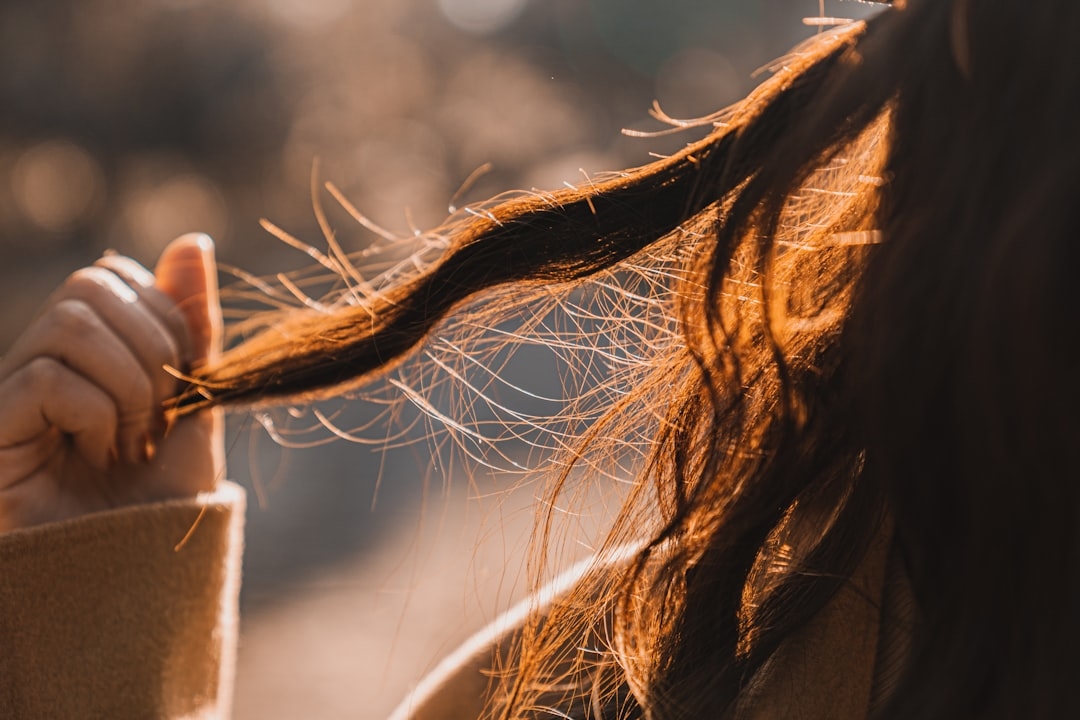
Breakage differs from shedding. Shedding is hair falling out at the root (completely normal, 50-100 hairs daily). Breakage is hair snapping at the shaft or near the mid-length. Breakage produces short pieces; shedding leaves the full hair length on your pillow or in the shower drain.
The distinction matters because treatments differ. If you’re shedding (full-length hairs), you have a potential health issue requiring a GP visit. If you’re breaking (short pieces), you have structural damage to the hair shaft itself—a local problem fixable with targeted care.
Heat Damage: The Most Common Cause
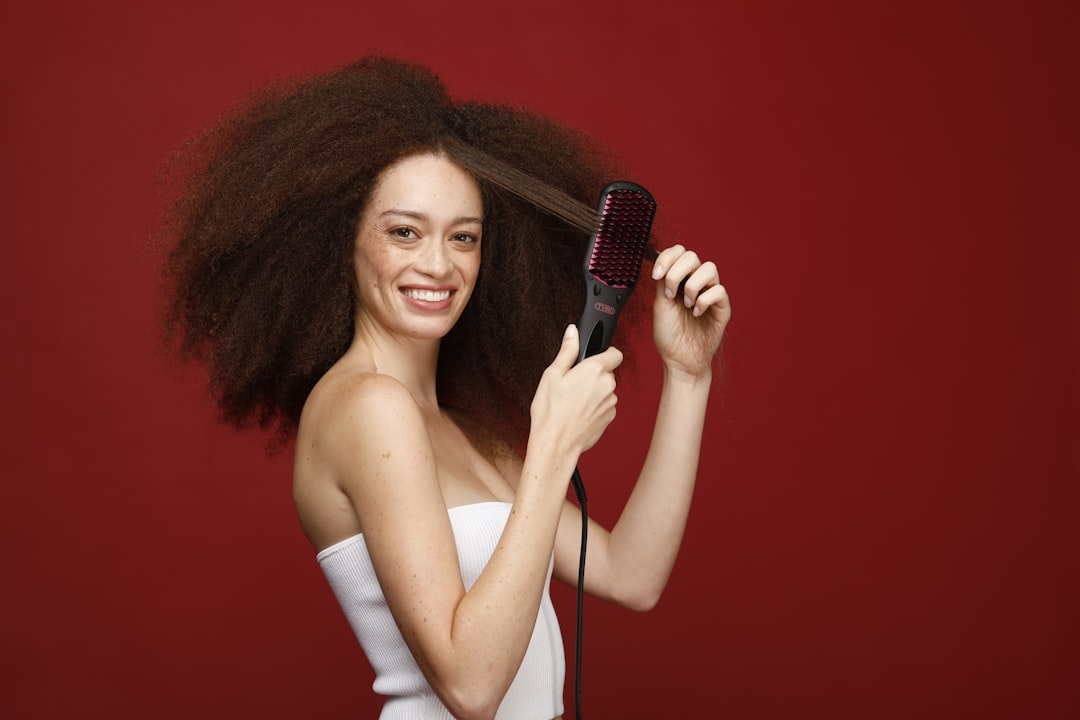
Excessive heat styling is the leading cause of hair breakage, particularly among people blow-drying, straightening, or curling regularly. Heat damages hair by denaturing the protein structure. When hair is heated above 150°C repeatedly, the damage becomes cumulative and permanent.
Here’s what happens: heat opens the hair cuticle and softens the protein matrix. If you apply heat excessively without protecting the hair, water inside the hair shaft turns to steam and creates pressure that weakens the structure. Repeated heat stress creates micro-cracks in the hair shaft. These cracks expand, and breakage occurs.
If you blow-dry daily, straighten twice weekly, and curl once weekly, you’re applying serious heat stress. By week 8-12, breakage becomes obvious. The cumulative effect of repeated heat is where the damage occurs, not individual sessions.
Solution: Use heat protectant spray before every heat styling session. Products like TRESemmé Keratin Smooth Heat Protectant (£4.50) or Moroccanoil Treatment (£15.99) reduce heat damage by 40-60% according to manufacturer testing. Reduce heat styling frequency—aim for 3-4 times weekly maximum rather than daily. Lower temperatures (150-180°C instead of 200-220°C) produce similar style results with less damage.
Chemical Damage from Colouring, Perming, and Treatments
Chemical processing (colouring, bleaching, perming, relaxing, keratin treatments) permanently alters hair protein structure. After processing, hair is chemically changed and more fragile. Repeated processing compounds the damage.
Bleaching is the most damaging. Bleach opens the cuticle and strips colour, but it also strips protective oils and weakens the protein matrix itself. Hair can withstand one bleaching reasonably well. Multiple bleachings (every 6-8 weeks) create brittle, breakage-prone hair within 6 months.
Keratin treatments, while advertised as “smoothing” and “strengthening,” actually contain formaldehyde or similar chemicals that coat and temporarily stiffen hair. This isn’t genuine strengthening—it’s temporary coating that washes out. After washing out, hair is often more fragile than before because the coating masked underlying damage.
Solution: Limit chemical processing. If you colour, aim for every 8-12 weeks rather than every 4-6 weeks. If you must bleach, use a professional stylist with experience and quality bleach (this costs more but minimises damage). Between processing, use deep conditioning treatments 1-2 times weekly. Products like SheaMoisture Raw Shea Butter Restorative Conditioner (£8) or Cantu Shea Butter Deep Conditioning Mask (£5.99) genuinely help. Apply to mid-lengths and ends (not roots), leave 20-30 minutes, then rinse.
Mechanical Damage from Brushing and Handling
Rough handling causes breakage. Brushing wet hair, using metal combs, aggressive rubbing with towels, tight ponytails, and sleeping on cotton pillowcases all cause mechanical stress that leads to breakage over time.
Wet hair is 30-50% weaker than dry hair because water disrupts hydrogen bonds that hold the protein structure together. Brushing wet hair with a regular brush can snap hairs that would otherwise survive dry brushing. This is particularly problematic for fine, curly, or previously damaged hair.
Cotton pillowcases create friction during sleep. Your head moves slightly, and rough cotton catches hair and creates resistance that bends and breaks it. Over weeks, this nighttime friction contributes to visible breakage, particularly around the hairline and at the crown.
Solution: Brush dry hair only, using a wide-tooth comb or detangling brush (£3-8 from Boots). Avoid metal combs which snag. After showering, squeeze hair gently with a microfibre towel or cotton t-shirt rather than rubbing. Sleep on a silk or satin pillowcase (£15-30, lasts years). Use fabric scrunchies instead of elastic hair ties that crimp and break hair.
Environmental Factors: Hard Water and Humidity
Environmental factors accelerate breakage without necessarily causing it alone. Hard water mineral buildup (prevalent in London, Southeast England, and the Midlands) makes hair brittle and breakage-prone. Humidity in certain seasons can trigger frizz and breakage through constant swelling and shrinking of the hair shaft.
Winter (December-February) is worst for breakage seasonally. Dry indoor air from heating dehydrates hair. This is when breakage complaints increase noticeably. By March-April, many people report improved breakage just from humidity increasing naturally.
Solution: If you have hard water, use a chelating shampoo once weekly (Ion Hard Water Shampoo, £4-6). Use a humidifier in winter to add moisture to the air (£20-40, prevents both breakage and dry skin). Avoid excessive blow-drying in winter—air-dry or use lower heat.
Nutritional Deficiencies
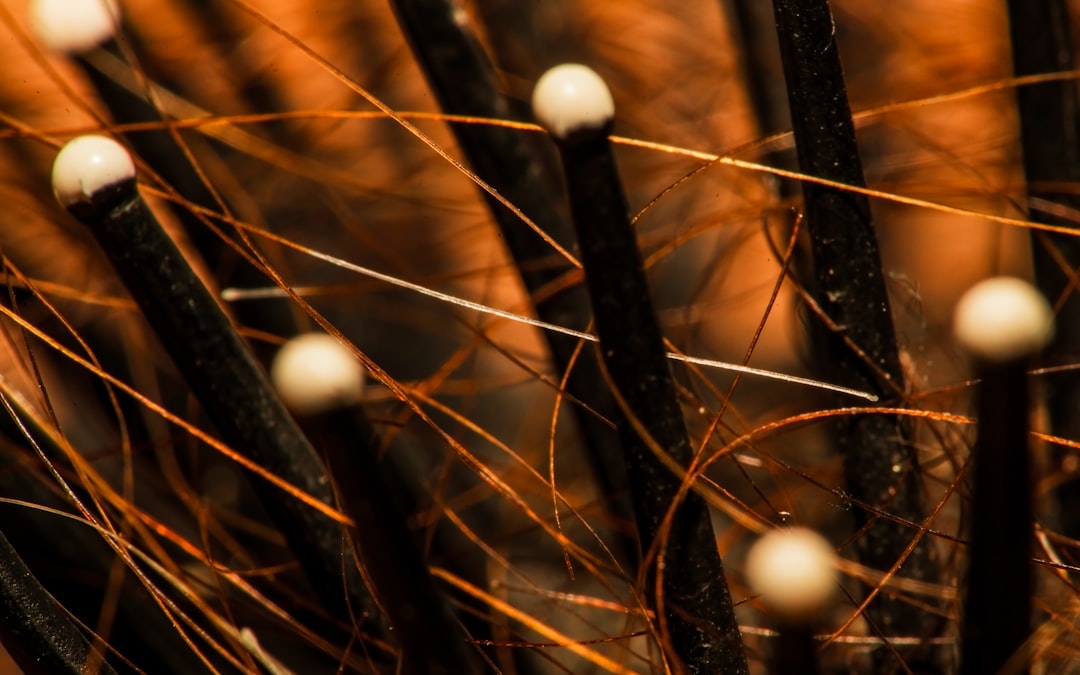
Hair health depends on adequate nutrition. Deficiencies in protein, iron, zinc, or B vitamins can contribute to weak, breakage-prone hair. This is particularly common in people following restrictive diets (very low calorie, vegan without proper supplementation, extremely high protein with minimal micronutrient intake).
Hair is made of protein (keratin). Without adequate protein intake (50-60 grams daily for most adults), your body produces weaker hair. Iron deficiency commonly causes both shedding and breakage. Zinc and B vitamins support hair growth and strength.
Solution: Eat 50-60 grams protein daily from sources like chicken, fish, eggs, legumes, nuts, or yoghurt. Include iron-rich foods (red meat, spinach, fortified cereals) twice weekly. Take a basic multivitamin if you’re concerned about deficiencies. If breakage persists despite dietary changes, ask your GP for blood tests checking iron, B12, and zinc levels. Supplementing when actually deficient makes a measurable difference within 8-12 weeks as new hair grows in stronger.
A Reader’s Story: From Breakage to Resilience
Marcus, 28, from Manchester, noticed increasing breakage over a year. His hair was shoulder-length and he loved the length, but short broken hairs around his face made it look ragged. He blamed genetics and assumed it was permanent. He was blow-drying daily, straightening twice weekly, and had recently started bleaching for highlights every 6 weeks.
He made three changes: stopped blow-drying (air-dried instead), switched straightening to once weekly, and extended highlight appointments to every 10 weeks. Within 3 months, breakage was noticeably reduced. By 6 months, his hair looked healthier and thicker. He wasn’t losing more length to breakage; his hair could grow without constantly breaking off. He realised the breakage wasn’t inevitable—it was caused by accumulated stress he could control.
Seasonal Timeline and Cost Breakdown
Budget for preventing breakage (monthly cost):
- Heat protectant spray: £0.50 (lasts 2 months, used sparingly)
- Wide-tooth comb: one-time £5
- Silk pillowcase: one-time £20, lasts 2+ years
- Deep conditioning treatment: £2-5 for 2-3 uses weekly
- Chelating shampoo (if hard water): £0.80 weekly (£3.20 monthly)
- Total monthly: £6-10
Compare this to professional treatments claiming to “repair breakage” (£50-100+ per session), which are genuinely ineffective. Prevention is vastly cheaper than trying to repair already-broken hair.
FAQ
Is broken hair the same as split ends?
Split ends are breakage at the very end of the hair shaft. Regular hair breakage is breaking anywhere along the length. Both result from damage, but split ends are specifically the final 1-2cm separating. Trimming removes split ends; preventing breakage requires addressing root causes of weakness.
How long does it take to see improvement after stopping heat styling?
Within 2-3 weeks, you’ll notice hair feels less brittle and breaks less easily during brushing. Within 6-8 weeks, you’ll see visibly less short, broken hair. New hair grows stronger naturally without heat damage, so improvement becomes more obvious as months pass.
Can you repair broken hair or only prevent future breakage?
You cannot repair broken hair—once it’s snapped, it’s done. You can only prevent future breakage and trim away existing split ends. Deep conditioning temporarily improves appearance by hydrating, but doesn’t genuinely repair the break. Prevention is everything with hair breakage.
Does hair breakage indicate a serious health problem?
Usually not. Hair breakage is normally caused by external factors (heat, chemicals, mechanical damage). However, if you have severe breakage plus shedding (full-length hairs falling out), that might indicate nutritional deficiency, thyroid dysfunction, or stress. See your GP if breakage is accompanied by other symptoms.
What’s the fastest way to stop hair breaking?
Stop heat styling immediately (biggest single impact). Use a wide-tooth comb, sleep on silk, and apply heat protectant if you must use heat. Within 2-3 weeks, breakage will noticeably decrease. Deep conditioning helps but doesn’t address root causes like daily heat damage.
Starting Your Breakage Recovery This Week
Hair breakage is fixable. You likely don’t need expensive treatments or professional services. You need to identify which factor (heat, chemicals, mechanical damage, environment) is causing the breakage, then eliminate or mitigate that factor.
Start this week. If you blow-dry daily, air-dry instead for 7 days and notice how your hair responds. If you use a regular brush on wet hair, switch to a wide-tooth comb and see if breakage decreases. If you sleep on cotton, get a silk pillowcase. These small changes cost minimal money but often produce dramatic improvements within weeks. Give your hair time to heal—the strongest change won’t appear until new growth comes in, which takes 6-12 weeks. But you’ll notice reduced breakage immediately as remaining hair survives longer.