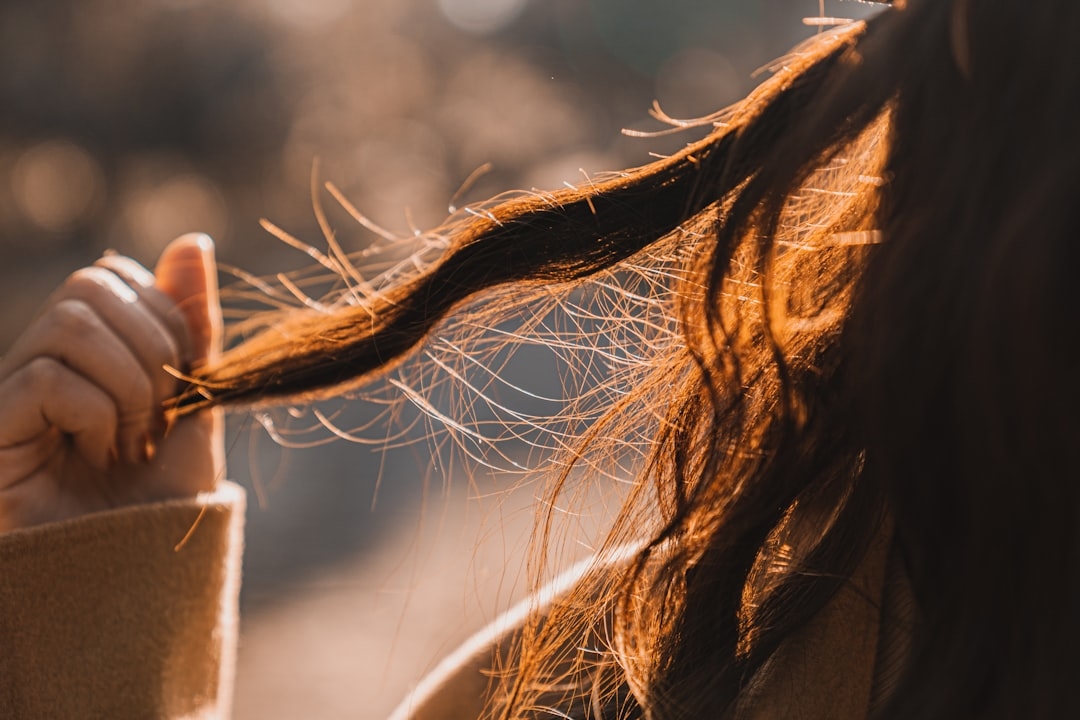

How to Get Rid of Frizzy Curly Hair: The Complete Hairstylist’s Guide
Contents:
- Understanding Why Curly Hair Gets Frizzy
- The Foundation: Clarifying and Moisture Balance
- Water Temperature and Shampooing Technique
- The Wet-Hair Technique That Changes Everything
- Drying Methods That Prevent Frizz
- Sustainable Product Choices and Scalp Health
- Styling Products and Anti-Frizz Strategies
- Environmental Factors Beyond Your Control
- Protein Treatments for Damaged Curls
- FAQ: Your Frizzy Hair Questions Answered
- Your Curl Transformation Starts Now
The myth: frizzy curly hair is permanent, unchangeable, and something you simply have to live with. The truth? Frizz is a symptom, not a curse. Understanding what causes it and implementing the right approach will transform your curls from chaotic to controlled within weeks.
Understanding Why Curly Hair Gets Frizzy
Your curls aren’t misbehaving—they’re responding to their environment. Curly hair has a naturally raised cuticle layer, which makes it more porous than straight hair. This porosity is what gives curls their beautiful shape, but it also means your strands absorb moisture from the air faster than other hair types.
When humidity rises above 50%, water molecules slip into your hair shaft and cause the cortex to swell unevenly. Because each curl has a different angle and structure, they expand at different rates. This uneven swelling is frizz. The reason you might notice dramatic frizz on some days and not others has nothing to do with product failure—it’s the humidity level changing by 20-30% between weather patterns.
Another critical factor is porosity balance. If your hair is overly porous (damaged, over-processed, or naturally very thirsty), it drinks in too much water. If it’s under-porous (sealed too tightly), moisture gets trapped beneath the cuticle layer and creates bumps. You want medium porosity—a Goldilocks state where moisture enters and leaves at the right pace.
The Foundation: Clarifying and Moisture Balance
Frizz control starts with clean hair. Product buildup from silicones, oils, and hard-water minerals creates a waxy coating that prevents moisture from entering evenly. I recommend clarifying your curls once monthly using a sulphate-free clarifying shampoo (sulphates strip curls too aggressively and worsen frizz). Look for products with chelating agents like citric acid.
After clarifying, your hair needs immediate hydration. This is where most people make a costly mistake: they use regular conditioner and call it done. Curly hair requires deep conditioning. Invest in a moisture-rich mask—aim for one containing humectants like glycerin or honey—and apply it weekly for 15-20 minutes. Products like SheaMoisture Raw Shea Butter Restorative Mask (£10-12) or Cantu Shea Butter Deep Conditioning Treatment (£5-6) deliver results without breaking the bank.
The science here matters: humectants draw water into the hair shaft from the air, while emollients (like plant oils) seal that moisture in. You need both. A conditioner with only emollients will make curls feel greasy. One with only humectants will leave them dry. Check ingredient lists for both categories.
Water Temperature and Shampooing Technique
Hot water opens the cuticle layer wide, making it easier for moisture to escape later. Lukewarm water (around 30-35°C) opens it just enough for cleansing without causing excessive water loss. Finish your rinse with a cool burst if you can tolerate it—this seals the cuticle and locks frizz down.
When shampooing, avoid vigorous scrubbing at the scalp. Instead, use your fingertips to massage in gentle circular motions for 60-90 seconds. Focus shampoo on the scalp and roots only; let the suds rinse down and cleanse the lengths naturally. Aggressive shampooing roughens the cuticle and triggers frizz.
For your lengths and ends, skip shampoo altogether on alternate wash days. Rinse with conditioner instead—this technique, called “co-washing,” removes dirt while maintaining moisture. Clarify once monthly, shampoo twice monthly, and co-wash on the other weeks. This rhythm keeps curls clean without drying them out.
The Wet-Hair Technique That Changes Everything
How you apply products to wet hair determines 70% of your frizz outcome. This is non-negotiable.
Immediately after rinsing out conditioner, your hair should be dripping wet—not damp, but soaking. This is the optimal window. Apply a leave-in conditioner (such as Cantu Leave-In Conditioning Repair Cream, £5-7) by squeezing it into sections of hair, working from the nape upwards. Then add a curl cream or gel while the hair is still saturated.
The key is water saturation. When your curls are fully wet, they can absorb these products evenly. If you wait even five minutes for hair to air-dry slightly, the surface dries faster than the interior, and you’ll get uneven product distribution and—you guessed it—frizz.
Use the “praying hands” method for application: sandwich a section of curl between your palms, then gently slide upwards from root to tip. This encourages the curl pattern and ensures product coats every strand. Avoid raking fingers through curls at this stage, which disrupts the pattern and creates fuzzy flyaways.
Drying Methods That Prevent Frizz
Rubbing hair with a standard towel is the fastest way to damage curls and trigger frizz. Standard towels have rough fibres that catch and break the cuticle layer. The solution is simple: swap your towel for a microfibre cloth or even an old cotton t-shirt.
To dry, gently scrunch soaking-wet hair upwards using the microfibre cloth, holding each section for 5-10 seconds. This removes excess water without roughing up the cuticle. Let the cloth sit against curls for a minute to absorb what it can, then release.
For the next phase, you have two options: air-dry or diffuse-dry. Air-drying is gentler and more eco-friendly—it requires zero electricity. Simply let curls dry naturally for 3-6 hours (timing depends on thickness and length). Pin sections upward with clips if you want more volume.
Diffuse-drying takes 30-45 minutes but gives you more control. Use a blow dryer on low heat with a diffuser attachment. Hold the diffuser against your scalp for 10-15 seconds in each section, moving methodically. Keep the heat setting at 55-65°C—never exceed this or you’ll damage the protein structure and create permanent frizz.
The absolute rule: do not touch your curls while they’re drying. Every touch creates friction, which raises the cuticle. Once your curls are dry and set, they’re locked into whatever texture they formed while drying. If you comb or finger through them while wet, the frizz is sealed in.
Sustainable Product Choices and Scalp Health
Eco-conscious curl care doesn’t mean sacrificing results. Many sustainable brands deliver performance. Look for products with minimal plastic packaging—buy concentrated formulas or bar shampoos and conditioners that last 2-3 times longer than liquids. This cuts packaging waste and saves money.
Brands like Ethique, Lush, and Friendly Soap make excellent curl-friendly bars. A solid conditioner bar (£8-12) lasts about as long as three 300ml bottles and generates zero liquid waste. Plant-based ingredients like shea butter, coconut oil, and aloe vera provide the humectants and emollients curly hair needs without synthetic silicones.
Don’t neglect your scalp. A healthy scalp produces natural oils (sebum) that travel down the hair shaft. Sebum is nature’s curl sealer—it’s frizz-prevention built in. Over-washing strips it away. Clarify monthly, shampoo strategically, and avoid harsh sulphates so your scalp has time to regulate oil production naturally.
Styling Products and Anti-Frizz Strategies

Not all gels and creams are equal. Curl-defining products work best when they contain a balance of holding power and moisture. Avoid products listing alcohol as a primary ingredient—these evaporate quickly and leave curls dry and prone to frizz.
Look for curl gels with aloe vera, flax seed, or casting polymers. These hold curls while maintaining flexibility. Cantu Coconut Curling Cream (£5-7) and Miss Jessie’s Jello (£18) are both excellent, though one is budget-friendly and one is premium. Test both price points to find what works within your budget.
Once you’ve applied leave-in conditioner and curl cream, a light gel layer (pea-sized amount for medium-length curls) adds definition and holds throughout the day. Apply to individual curls rather than running it through all hair at once. This prevents that plastic, crunchy look whilst maintaining frizz control.
For second-day curls, spritz with a spray bottle containing water plus one drop of leave-in conditioner and one drop of curl cream. Scrunch lightly, then re-dry with your microfibre cloth and diffuser. You can typically get 3-4 good curl days this way before needing a full wash.
Environmental Factors Beyond Your Control
Some days, frizz happens regardless of technique. High humidity (above 60%), drastic temperature changes, and air pollution all affect curls. On high-humidity days, your best defence is a smoothing serum or anti-humidity spray applied to dry curls. Products with silicone or dimethicone create a water-repellent barrier—yes, silicone can be useful, just not as a base product.
If you’re travelling to a different climate, give your curls 2-3 days to adjust before judging your routine. Curls acclimate to humidity levels over time. Moving from dry (UK winter indoors) to humid (summer or tropical climates) will temporarily increase frizz until your hair rebalances its moisture content.
Protein Treatments for Damaged Curls
If your curls are over-processed (bleached, permed, or frequently coloured), they may lack structural protein. This causes frizz that conditioner alone won’t fix. You need a protein treatment.
Use a protein-rich treatment (like Aphogee Two-Step Protein Treatment, £12-15) every 4-6 weeks if your hair is very damaged, or every 8-12 weeks if it’s moderately processed. Protein temporarily fills gaps in the cuticle and cortex, smoothing the surface and reducing frizz. Apply to damp hair, leave for 10-20 minutes, rinse thoroughly.
Balance is essential: too much protein makes curls stiff and brittle. Alternate protein treatments with moisturising deep conditioning (weekly) to maintain suppleness. If curls feel dry and crunchy after a protein treatment, dial back frequency or use a lighter formula.
FAQ: Your Frizzy Hair Questions Answered
Q: How long until I see results from these techniques?
A: Within 1-2 washes. The towel swap and wet-hair application technique alone will noticeably reduce frizz. After 2-4 weeks of consistent deep conditioning, you’ll see dramatic improvement as your curl pattern strengthens and moisture balance restores.
Q: Can I use a regular hairdryer without a diffuser?
A: You can, but it’s not ideal. A regular dryer concentrates heat and air on one spot, drying unevenly and causing frizz. A diffuser spreads heat and air widely, drying more gently. If you must use a regular dryer, keep it on the coolest setting, hold it 15cm away from hair, and move it constantly.
Q: Is coconut oil good for frizzy curly hair?
A: Coconut oil seals the cuticle (emollient) but doesn’t add internal moisture (humectant). For frizz prevention, coconut oil works best as a final layer over wet hair that’s already been conditioned. Use sparingly—a coin-sized amount for shoulder-length curls—or it looks greasy. Pure oils are best reserved for deep conditioning treatments rather than daily styling.
Q: What’s the difference between frizz and dryness?
A: Frizz is raised cuticles reflecting light unevenly. Dryness is lack of internal moisture. You can have frizzy curls that are also dry (most common), or frizzy curls that feel soft (usually high-porosity hair absorbing too much moisture). Address dryness with deep conditioning; address frizz with cuticle-sealing techniques and humidity control.
Q: Do I need an expensive routine to manage frizz?
A: No. The most important investments are a sulphate-free shampoo (£5-8), a deep conditioning mask (£5-12), a microfibre cloth (£2-5), and a leave-in conditioner (£5-8). Total startup cost: around £20-35. Technique matters more than price. Master towel-swapping, wet-application, and diffuse-drying, and you’ll see transformative results on any budget.
Your Curl Transformation Starts Now
Frizzy curly hair isn’t a life sentence—it’s a response to moisture imbalance and technique gaps. Every step outlined here addresses a specific cause: clarifying removes buildup, deep conditioning restores moisture, the right drying method prevents cuticle damage, and consistent technique trains your curls into a defined pattern.
Start with one or two changes this week. Swap your towel for a microfibre cloth. Apply your next leave-in conditioner to soaking-wet hair. These alone will shift your results. Next week, introduce weekly deep conditioning. The week after, refine your drying method. Small, sustainable changes compound into spectacular curls.
Your natural curl pattern is beautiful. It deserves moisture, care, and a technique that honours its structure. Master how to get rid of frizzy curly hair by understanding that frizz is a solvable problem—not a character flaw of your hair. The hairstylist community has cracked the code, and now you have the tools to do the same.
Watch your curls transform from chaotic to controlled, then from controlled to confident. That’s the power of understanding your hair’s needs and meeting them consistently.