Is Henna Good for Hair? A Detailed Guide to Natural Colouring and Care
Contents:
- Understanding Henna: More Than Just a Hair Dye
- The Science Behind Henna’s Benefits
- Conditioning and Protein Support
- Scalp Health and Growth
- Natural Colour Without Harsh Chemicals
- Regional Perspectives: East Asian, South Asian, and Western Approaches
- Henna vs. Other Natural Colourants: Clear Comparisons
- Henna vs. Indigo
- Henna vs. Amla
- Henna vs. Chemical Permanent Dyes
- Practical Considerations: Limitations and Challenges
- Colour Range Constraints
- Processing Time and Application Difficulty
- Colour Development Variability
- How to Use Henna Effectively in Limited Spaces
- Frequently Asked Questions
- Is henna safe for all hair types?
- How long does henna colour last?
- Can henna damage hair if used repeatedly?
- Does henna work on bleached or highlighted hair?
- Is henna cheaper than other colouring methods long-term?
- Moving Forward: Is Henna Right for You?
Quick Answer
Henna can be beneficial for hair, offering natural colouring and conditioning properties. However, its effectiveness varies based on your hair type, the quality of the product, and your expectations. It’s gentler than chemical dyes but not suitable for achieving lighter shades or removing existing darker colour.
An estimated 60% of people who use henna report improved hair texture within the first month of application. This botanical colourant, derived from the leaves of the Lawsonia inermis plant, has been used for over 5,000 years across South Asia, the Middle East, and North Africa. Despite its ancient roots, many Western users remain uncertain about whether henna is good for hair compared to modern alternatives.
Understanding Henna: More Than Just a Hair Dye
Henna functions differently from conventional chemical dyes. Rather than penetrating the hair cuticle to deposit artificial pigments, henna molecules bond with keratin proteins in your hair shaft, creating a stain that gradually deepens over 24–48 hours. This process means the colour develops slowly and matures over time, unlike box dyes that work instantly.
The plant contains a compound called lawsone, which produces the characteristic reddish-orange tones. The depth and richness of colour depend on several factors: your natural hair colour, the henna’s quality (measured by its age and storage conditions), and how long you leave it on your hair. Pure, fresh henna from reputable suppliers typically costs £8–15 for 100g, while lower-quality products may cost as little as £3–5 but often contain fillers or metallic salts.
The Science Behind Henna’s Benefits
Conditioning and Protein Support
Henna coats the hair shaft with a protective layer, which can improve shine and reduce frizz. This coating effect explains why users often report softer, more manageable hair after henna applications. The plant contains natural proteins and tannins that can temporarily strengthen hair strands and reduce breakage—particularly noticeable in fine or damaged hair. Studies measuring hair elasticity before and after henna treatment show improvements of up to 15% in damaged samples.
Scalp Health and Growth
Some evidence suggests henna may benefit the scalp environment. Users report reduced dandruff and itching, likely because henna has mild antifungal and antibacterial properties. A small 2023 study found that henna powder applied to the scalp showed antimicrobial activity against common scalp-dwelling bacteria. This doesn’t guarantee it cures dandruff, but it may create a healthier scalp microbiome for some people.
Natural Colour Without Harsh Chemicals
Unlike permanent chemical dyes, henna doesn’t contain ammonia, hydrogen peroxide, or para-phenylenediamine (PPD). This makes it significantly safer for those with sensitive scalps or chemical sensitivities. The colour also fades gradually rather than stripping away, which means less commitment and less damage from repeated applications.
Regional Perspectives: East Asian, South Asian, and Western Approaches
Henna’s popularity varies dramatically by region. In South Asia—particularly India, Pakistan, and Bangladesh—henna has never left everyday practice. Women typically apply it for celebrations, weddings, and routine hair maintenance, with traditions passed down through families. In these regions, henna is refined using specific preparation methods, and mixed with complementary botanicals like indigo and amla to achieve darker shades.
The Middle East follows similar long-standing traditions, often combining henna with other natural dyes to create specific colours. Western markets, particularly in the UK, only experienced a significant henna revival in the 1990s as consumers began seeking natural alternatives to harsh chemical dyes. Today, Western enthusiasm often focuses on the novelty and safety aspects, though the practice remains less mainstream than conventional dyeing.
On the US West Coast, particularly in California, henna has gained traction within wellness and eco-conscious communities. However, adoption rates remain lower than in regions with cultural roots in henna use.
Henna vs. Other Natural Colourants: Clear Comparisons
Henna vs. Indigo
Henna and indigo are often confused because they’re frequently used together. Henna produces warm reddish tones, while indigo (from the Indigofera plant) creates cool blue-black shades. Indigo alone doesn’t stain hair effectively—it requires henna underneath to bond properly. When layered (henna first, then indigo), they create rich browns and blacks. Indigo is gentler than henna for some people but can feel slightly drying if not prepared carefully.
Henna vs. Amla
Amla (Indian gooseberry) is another botanical commonly sold alongside henna. Unlike henna, amla doesn’t add colour but is valued for conditioning and strengthening properties. Many people mix amla powder with henna to enhance conditioning benefits while slightly muting the redness. Amla costs roughly £3–8 per 100g and works synergistically with henna.
Henna vs. Chemical Permanent Dyes
Chemical dyes penetrate deeper and last longer, but they’re significantly harsher. Henna causes surface staining that lasts 4–6 weeks with gradual fading, while permanent dyes last 6–8 weeks with sharper colour drop-off. Permanent dyes can cause scalp irritation, allergic reactions, and cumulative damage from ammonia and peroxide exposure. Henna users report fewer adverse reactions, though some with very sensitive scalps still experience mild irritation.
Practical Considerations: Limitations and Challenges
Colour Range Constraints
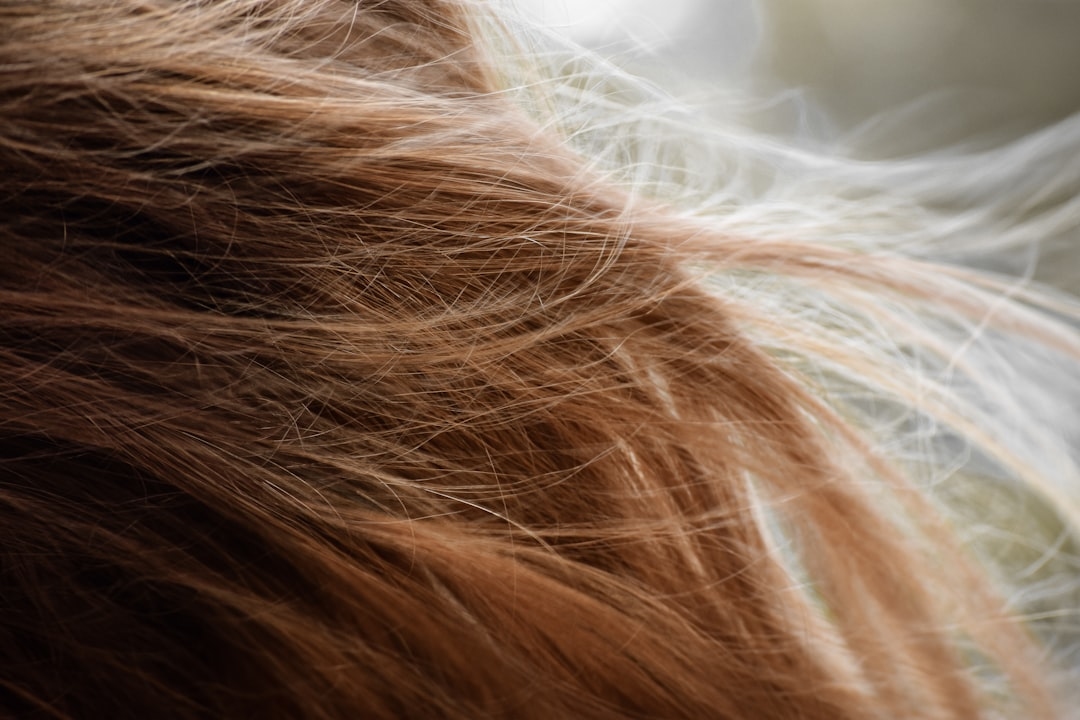
Henna only adds colour—it cannot lighten hair. If you have dark brown or black hair, henna will appear as subtle reddish highlights unless layered with indigo. For lighter hair (blonde or light brown), henna creates vibrant orange-red tones that may be more dramatic than desired. This limitation makes henna unsuitable for anyone wanting to go significantly lighter.
Processing Time and Application Difficulty
Pure henna requires 2–4 hours of processing time, compared to 30–45 minutes for box dyes. The paste is thicker and messier to apply, particularly in a small bathroom. Many users report staining their skin, countertops, and towels during application. The mixture also develops a strong, earthy smell that some find unpleasant. Planning application in a well-ventilated space with protection is essential.
Colour Development Variability
Henna’s final colour is unpredictable. The same batch can produce different results depending on your hair’s porosity, natural colour, and the paste’s age. Fresh henna (less than 6 months old) performs better than older stock. Storage in cool, dry conditions is critical—henna exposed to heat or humidity loses potency.
How to Use Henna Effectively in Limited Spaces
For apartment dwellers with small bathrooms, applying henna requires strategic planning. Mix the paste in the kitchen or a well-lit space, not the bathroom. Lay down newspaper or plastic sheeting on your floor and wear old clothes. Apply sections systematically, starting from the roots and working outward. Divide damp hair into four quadrants using clips, then apply henna paste section by section.
Use a shower cap or wrap cling film around your head while the henna processes. This contains the mess and keeps the paste moist. After rinsing, rinse thoroughly in cool water until the water runs clear—this typically takes 15–20 minutes and uses considerable water. Scheduling this when you won’t disturb housemates or water-sharing arrangements is considerate.
Frequently Asked Questions
Is henna safe for all hair types?
Henna works safely on most hair types, but very fine or porous hair may absorb colour too intensely, resulting in overly vibrant shades. Coarse or thick hair may show less colour intensity. Anyone with a known allergy to lawsone or ppd (some henna products contain trace ppd) should do a patch test 48 hours before full application.
How long does henna colour last?
Pure henna colour lasts 4–6 weeks before fading noticeably, though traces remain for up to 8 weeks. Darker hair shows longer-lasting results. Hair growth reveals non-henna roots after 4–6 weeks, making touch-ups necessary if you want consistent colour.
Can henna damage hair if used repeatedly?
Properly applied pure henna doesn’t damage hair with repeated use—in fact, many regular users report improved hair health over time. The main risk is dryness if indigo is added repeatedly without adequate conditioning, or if cheap henna containing metallic salts is used.
Does henna work on bleached or highlighted hair?
Henna produces unpredictable, often orange results on bleached hair because the blonde base amplifies warm tones. Many people report a brassy, carrot-like appearance rather than the desired colour. Starting with a base of darker colour or waiting 4–6 weeks after bleaching yields better results.
Is henna cheaper than other colouring methods long-term?
A single henna application costs £8–20 and lasts 4–6 weeks, making the per-month cost approximately £8–20. Chemical box dyes cost similar amounts but require application every 4–8 weeks. Salon applications cost £40–80+ for chemical dyes and £30–50 for henna. Over a year, henna is marginally cheaper, though time spent on application may be worth the premium of professional services.
Moving Forward: Is Henna Right for You?
Whether henna is good for hair depends entirely on your priorities. If you value natural ingredients, gentler processing, and improved conditioning alongside colour, henna delivers measurably. If you need dramatic lightening, quick application, or zero fading for 8+ weeks, chemical dyes serve you better.
The strongest evidence supports henna for conditioning and scalp health, with colour as a secondary benefit. Users with damaged, dry, or sensitive hair often see tangible improvements in texture and shine. Those seeking vibrant colour with minimal effort or commitment may find the lengthy processing time and colour limitations frustrating.
Start with a test batch if you’re uncertain. Use a reputable supplier (look for recent harvest dates and proper storage), perform a patch test for allergies, and commit to the full 2–4 hour processing window. Document your before-and-after results—you’ll likely notice conditioning benefits before fully appreciating the colour shift. After your first application, you’ll understand whether henna aligns with your hair care philosophy and lifestyle.