
What Does a Toner Do to Your Hair? Your Complete Guide
Contents:
- Debunking the Toner Myth
- What Does a Toner Do to Your Hair?
- The Science Behind Toner
- What Toner Does vs. What It Doesn’t Do
- Toner vs. Colour-Depositing Conditioner: What’s the Difference?
- How Toner Works on Different Hair Types
- Blonde and Lightened Hair
- Dark Hair and Brunettes
- Red and Copper Tones
- Common Mistakes to Avoid
- Step-by-Step: How to Apply Toner at Home
- What You’ll Need
- Application Steps
- Choosing the Right Toner for Your Hair
- Matching Toner to Your Base Colour
- Understanding Toner Undertones
- Permanent vs. Semi-Permanent vs. Demi-Permanent Toners
- How Long Does Toner Last?
- Maintaining Your Toned Hair
- Use Colour-Safe Products
- Incorporate Purple Shampoo (For Blonde Tones)
- Minimise Heat Styling
- Limit Washing Frequency
- Does Toner Work on Unbleached Hair?
- Frequently Asked Questions
- Can I use toner on damaged hair?
- What happens if I leave toner on too long?
- How often can I tone my hair safely?
- Will toner work if I have very dark hair?
- Can I mix different toner brands?
- Is toner the same as hair gloss?
- Your Toner Journey Starts Now
Debunking the Toner Myth
Most people think hair toner is optional, something only bleached-blonde clients need. That’s simply not true. Whether you’ve dyed your hair, fight frizz daily, or notice unwanted colour shifts after washing, a toner could transform your results. Let’s set the record straight about what toner actually does and why it might be your hair’s new best friend.
What Does a Toner Do to Your Hair?
Hair toner is a semi-permanent or demi-permanent colour product designed to neutralise unwanted tones, enhance existing colour, or add vibrancy to your hair. Unlike permanent hair dye, toner works differently on your hair structure. It deposits pigment onto the outer layer of your hair shaft without lifting the existing colour. This means toner sits on top of your base shade rather than replacing it entirely.
The primary function of toner is to deposit colour molecules that neutralise brassy, yellow, or orange undertones. If you’ve ever seen someone with highlighted or bleached hair turn yellow after a few weeks, that’s where toner steps in. A purple or violet toner counteracts those warm tones, creating a cooler, more refined look. Think of it as fine-tuning your hair colour rather than a complete overhaul.
Beyond neutralisation, modern toners add shine, smoothness, and colour depth. Many contain conditioning ingredients that improve texture and reduce breakage. Some toners also act as colour depositing conditioners, meaning every wash strengthens your shade while nourishing your strands. This dual action makes toner a valuable step in any hair routine, not just for correcting mistakes.
The Science Behind Toner
Hair structure consists of three layers: the cuticle (outer protective layer), the cortex (middle layer containing pigment), and the medulla (inner core). When you bleach hair, you remove natural pigment from the cortex, creating a porous surface. This porosity is crucial—it’s why toner works so effectively on lightened hair. The empty pigment spaces are hungry for colour, so toner molecules adhere quickly and last longer.
On natural or previously coloured hair, toner still works by depositing temporary colour molecules. The difference is it won’t hold as long because there’s less porosity. This is why toner on virgin hair typically lasts 4-6 weeks, whereas on bleached hair it can last 8-12 weeks. Understanding this helps you set realistic expectations and plan your touch-up schedule.
What Toner Does vs. What It Doesn’t Do
Let’s clarify common misconceptions. Toner does not lighten your hair. If your base is dark brown and you apply a platinum toner, you’ll get a dark brown with cooler undertones—not light platinum. Toner only works with what’s already there. It also doesn’t repair damage; if your hair is dry or broken from bleaching, toner won’t fix that (though many modern toners include nourishing ingredients that help).
What toner absolutely does:
- Neutralise unwanted colour casts like brass, yellow, or orange
- Add dimension and depth to your base colour
- Enhance the longevity of colour treatments
- Improve shine and smoothness
- Provide conditioning benefits on many formulas
- Allow you to experiment with colour without permanent commitment
Toner vs. Colour-Depositing Conditioner: What’s the Difference?
These are often confused, but they’re different products. A colour-depositing conditioner is designed to be left in your hair during normal conditioning. It’s gentler, more concentrated on moisture, and deposits colour gradually with each application. A toner is a standalone treatment that usually requires specific processing time (often 10-30 minutes) and delivers stronger colour payoff quickly.
Colour-depositing conditioners are brilliant for maintaining colour between toning sessions. They’re also ideal for someone dipping their toes into colour adjustments without committing to a full toner treatment. However, if you need immediate, noticeable colour correction—say you’ve just bleached your hair and it’s brassy—a proper toner delivers faster, more visible results. Many people use both: a toner for initial correction and colour-depositing conditioner for weekly maintenance.
How Toner Works on Different Hair Types
Blonde and Lightened Hair
This is where toner truly shines. Bleached or highlighted blonde hair is highly porous, making it the ideal canvas for toner. A violet or blue toner neutralises yellow brassy tones, while ashier toners create cooler, platinum finishes. Most blonde clients need toner touch-ups every 4-6 weeks as the formula gradually fades with washing. Using a purple shampoo between toning sessions (once a week) extends your results significantly.
Dark Hair and Brunettes
Toner works on dark hair too, though results are more subtle. A cool-toned toner on dark brown hair won’t dramatically change your shade but will eliminate reddish or orange undertones, creating a cooler, ashier appearance. If you’ve had highlights or balayage, toner on the lighter pieces provides the most noticeable shift. Dark hair toners typically last 2-4 weeks before fading, as darker hair is naturally less porous.
Red and Copper Tones
If you’re fighting unwanted red or copper undertones, a green or ash-based toner is your answer. These work on naturally red hair, red-tinted brunettes, or anyone with coppery highlights. The result is a more neutral, less warm tone. Be cautious with strength here—green toner can shift your colour noticeably if left on too long, so follow timing instructions carefully.
Common Mistakes to Avoid
Applying toner incorrectly can lead to disappointing or even muddy results. Here are the biggest pitfalls:
Leaving Toner On Too Long: This is the most common error. Even 5-10 extra minutes can shift your colour dramatically. If you want a subtle cool tone, 15-20 minutes might be perfect. If you want something more obvious, 25-30 minutes works well. Set a timer and stick to it.
Applying to Damp Hair: Always apply toner to clean, towel-dried (not soaking wet) hair. Water dilutes the formula, reducing effectiveness. Equally, don’t apply to completely dry hair—it won’t distribute evenly.
Using Too Much Product: You need far less toner than regular conditioner. A golf ball-sized amount typically covers shoulder-length hair. Using more won’t improve results and wastes product whilst potentially over-toning your hair.
Not Sectioning Your Hair: Divide your hair into 4-6 sections before applying. This ensures even distribution and prevents patchiness. Start at the roots and work toward the ends, combing through as you go.
Ignoring Your Base Colour: Using a toner designed for a different base shade won’t work. A toner for pale blonde applied to dark blonde will turn muddy. Always select toner suited to your current shade.
Step-by-Step: How to Apply Toner at Home
What You’ll Need
- Hair toner (appropriate for your shade)
- Developer (if required by your toner)
- Mixing bowl (non-metallic)
- Applicator brush
- Sectioning clips
- Gloves
- Old towel or cape
- Wide-tooth comb
- Timer
Application Steps
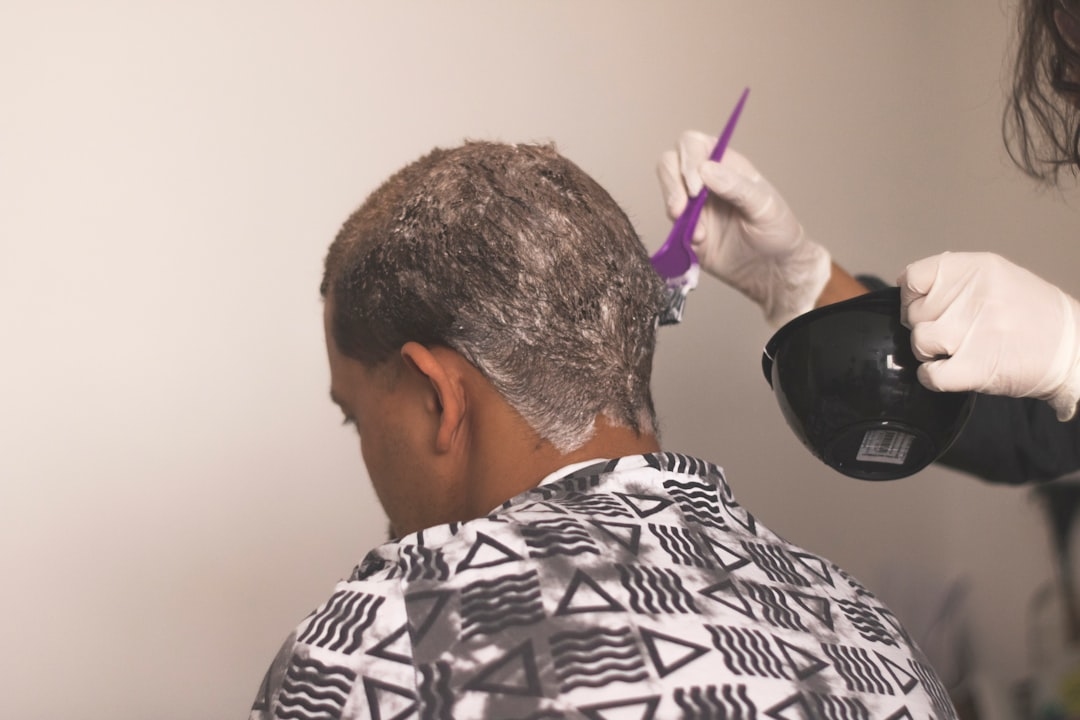
- Prepare Your Space: Work in a well-ventilated bathroom. Place an old towel on your shoulders or wear a cape. Mix toner and developer (if needed) according to package instructions in a non-metallic bowl.
- Section Your Hair: Divide dry or towel-dried hair into 4-6 equal sections using clips. Start at the front and work back.
- Apply Systematically: Begin at the roots of the first section, using your applicator brush to saturate each section. Work the toner through to the ends. Unclip the next section and repeat until all hair is covered.
- Comb Through: Once all sections are covered, use a wide-tooth comb to distribute toner evenly and remove any clumps. This step is crucial for consistent results.
- Set Your Timer: Follow package timing (usually 15-30 minutes). Don’t estimate or guess.
- Rinse Thoroughly: Rinse with cool water until water runs clear. Cool water helps seal the hair cuticle and lock in colour.
- Condition: Apply a deep conditioner or leave-in treatment. Toning can be drying, so this step is essential for maintaining hair health.
- Style as Normal: Blow dry and style. Avoid washing your hair for 24-48 hours after toning to allow the colour to fully set.
Choosing the Right Toner for Your Hair
Matching Toner to Your Base Colour
The golden rule: choose a toner 1-2 shades lighter than your desired final colour. If your base is level 8 (light blonde) and you want a cool ash finish, pick a level 9 or 10 ash toner. Toner deposits colour but doesn’t lift, so starting lighter gives you room to adjust.
For brunettes, ash-based or cool-toned toners work best if you’re fighting warmth. If you have medium brown hair (level 5-6) and want cooler tones, choose a level 7 ash toner. The mismatch in levels might seem odd, but toner logic works differently than permanent colour.
Understanding Toner Undertones
Toners come in specific undertones designed to neutralise specific problems:
- Purple/Violet Toner: Neutralises yellow and brassy tones on blonde or light hair.
- Blue Toner: Neutralises orange and deep brassy tones. Ideal for darker blonde or highlighted dark hair.
- Ash Toner: Creates cool, neutral tones on brunettes and medium shades.
- Green Toner: Neutralises red and copper tones.
- Pearl or Platinum Toner: Creates ultra-cool, icy finishes on pale blonde hair.
Permanent vs. Semi-Permanent vs. Demi-Permanent Toners
Understanding these distinctions helps you choose longevity:
Demi-permanent toner (lasting 24-28 shampoos): These fade gradually and don’t contain ammonia. Ideal for subtle adjustments. Popular brands include Schwarzkopf Igora Royal and Wella T18. Cost: £8-15 per box.
Semi-permanent toner (lasting 4-6 weeks): These deposit strong colour without lifting. Great for vibrant adjustments or maintaining lightened hair. Examples include Manic Panic or Sally’s Ion. Cost: £5-12 per bottle.
Permanent toner (lasting until regrowth): Contains ammonia and opens the cuticle. Used when you need lasting colour change, not just tone correction. These are more like traditional hair dyes. Cost: £6-18 per box.
For most DIY users, demi or semi-permanent toners are ideal. They’re forgiving, less damaging, and allow experimentation without permanent commitment.
How Long Does Toner Last?
Toner longevity varies dramatically based on hair porosity, water quality, and product type. On average:
- Bleached hair: 8-12 weeks with proper care
- Highlighted hair: 6-8 weeks
- Previously coloured (dark) hair: 2-4 weeks
- Natural hair: 4-6 weeks
These timelines assume you’re using colour-safe products and not washing excessively. Every wash fades toner slightly, so frequency matters. If you wash hair daily, expect toner to fade faster. Once weekly washing extends results by weeks.
Maintaining Your Toned Hair
Use Colour-Safe Products
Regular shampoos strip colour faster than colour-safe formulas. Investing in a quality colour shampoo and conditioner (roughly £12-18 per bottle) extends toner life significantly—often by 2-4 extra weeks. Brands like Puracy, SLS-free options, or specifically colour-protecting ranges all work well.
Incorporate Purple Shampoo (For Blonde Tones)
If you’ve toned blonde or light hair, purple shampoo becomes your weekly secret weapon. Use it once weekly to deposit tiny amounts of purple pigment, counteracting any yellowing. This simple step (£6-10 per bottle) means you might only need full toning every 8-10 weeks instead of 6.
Minimise Heat Styling
Heat opens the cuticle and accelerates colour fading. Air-drying or using heat protectant sprays (£5-8) before blow-drying helps preserve toner. If you must use heat daily, these products become essential investments.
Limit Washing Frequency
Washing is the single biggest factor in toner fading. If you can extend to washing every 2-3 days instead of daily, you’ll see toner lasting 3-4 weeks longer. Dry shampoo (£4-7) helps extend time between washes whilst adding texture.
Does Toner Work on Unbleached Hair?
Yes, but with important caveats. Toner works best on porous hair, which is why it’s most effective on bleached strands. On natural, unbleached hair, toner results are subtler and fade faster (usually 2-4 weeks). The colour shift might barely be noticeable compared to effects on lightened hair.
However, if you’re trying to neutralise unwanted undertones in your natural shade—say eliminating redness from naturally auburn hair—toner absolutely helps. It just requires more frequent touch-ups. Semi-permanent toners tend to work better on unbleached hair than demi-permanent formulas, as they deposit colour more aggressively.
Frequently Asked Questions
Can I use toner on damaged hair?
Toner itself doesn’t damage hair; it’s gentler than permanent dye. However, if your hair is already compromised from bleaching or repeated colouring, toning adds one more chemical treatment. Focus on deep conditioning before and after toning. If your hair is breaking off, skip toner until you’ve restored health through intensive treatments.
What happens if I leave toner on too long?
Your hair will take on a much stronger colour cast than intended. Blonde can turn platinum or even slightly blue-toned. Dark hair might shift to an ashier, cooler tone. In extreme cases, leaving toner on for an hour or more can create an unintended colour shift that requires another treatment to correct. Always follow timing instructions precisely.
How often can I tone my hair safely?
Most professionals recommend toning every 4-8 weeks, depending on fade rate and hair health. If your hair feels dry or brittle, space toning sessions further apart and use intense conditioning treatments between applications. You can use colour-depositing conditioner weekly as a gentler alternative between full toning sessions.
Will toner work if I have very dark hair?
Toner will work, but results are subtle on very dark hair because there’s less porosity. You’ll notice a slight shift in undertone rather than a dramatic colour change. If you have dark hair with highlights, toner will be most visible on the lighter pieces. For noticeable results on very dark hair, you might need permanent colour rather than toner.
Can I mix different toner brands?
It’s not recommended. Different brands have different formulations, and mixing could create unpredictable results. Stick with one brand’s toner and developer pairing, or choose products specifically designed to work together. Mixing risks streaky, patchy colour.
Is toner the same as hair gloss?
Not quite. A gloss is typically a semi-permanent toner applied in a salon with professional equipment, often with more frequent application in mind. At-home toner is essentially the DIY equivalent. They work on the same principle—depositing colour to adjust tone—but salon glosses are sometimes formulated slightly differently for quick salon use. For home use, semi-permanent toner achieves similar results.
Your Toner Journey Starts Now
Understanding what toner does transforms your approach to hair colour entirely. It’s not just for blondes, it’s not permanent, and it’s absolutely achievable at home. Whether you’re correcting brassy tones, adding dimension, or experimenting with cooler undertones, toner offers flexibility that permanent colour simply can’t match.
Start with the right product for your base colour, follow the timing precisely, and commit to colour-safe maintenance. Your results will speak for themselves. In 2-6 weeks, as toner fades, you’ll notice the shift back toward your original tone—that’s your signal it’s time for a refresh. Most people find their ideal toning routine within a couple of applications, discovering exactly how long their version lasts and what strength works best.
Grab a quality toner suited to your shade, set aside 30 minutes, and give your hair the tone-correction treatment it deserves. The confidence boost from hair that looks freshly styled and expertly toned is absolutely worth the effort.