What Causes Flyaway Hair: The Complete Science and Solutions
Contents:
- The Structure of Your Hair and Moisture
- How Humidity and Environmental Factors Cause Flyaway Hair
- Static Electricity and Electrical Charge
- Damage and Protein Loss: Structural Breakdown
- Common Triggers of Flyaway Hair
- Harsh Shampoos and Over-Washing
- Chlorine and Hard Water
- Brushing and Combing Techniques
- Heat Styling Without Protection
- The Role of Sebum and Natural Oils
- Practical Solutions to Reduce Flyaway Hair
- Hydration and Moisture-Sealing
- Reduce Heat Damage
- Adjust Your Water Quality
- Choose the Right Tools
- FAQ: Common Questions About Flyaway Hair
- Does humidity always cause flyaway hair?
- Can I completely eliminate flyaway hair?
- Are expensive products better for flyaway hair?
- How long does it take to see improvement?
- Is flyaway hair a sign of serious damage?
- Moving Forward: Sustaining Healthy, Tame Hair
Why does your hair seem to have a mind of its own on certain days, standing out at odd angles no matter how much you brush it? The answer lies in the interplay between moisture, electrical charge, and your hair’s structural integrity. Understanding what causes flyaway hair opens the door to genuinely effective solutions rather than temporary fixes.
The Structure of Your Hair and Moisture
Hair is a living structure composed of three layers: the cuticle (outer protective layer), the cortex (which contains proteins and gives hair its strength), and the medulla (the innermost core). Each hair strand contains approximately 13% water under normal conditions. When this moisture balance shifts, flyaways become inevitable.
The cuticle layer acts like roof tiles lying flat along the hair shaft. When moisture levels are optimal, these scales lie smoothly against one another. Daniel Foster, a certified trichologist at the London Hair Science Institute, explains: “Flyaway hair typically occurs when the cuticle scales lift away from the cortex, reducing the hair’s ability to reflect light evenly and increasing friction between strands.”
This structural detail matters because it explains why the same styling routine works beautifully on a humid day but fails miserably on a dry one.
How Humidity and Environmental Factors Cause Flyaway Hair
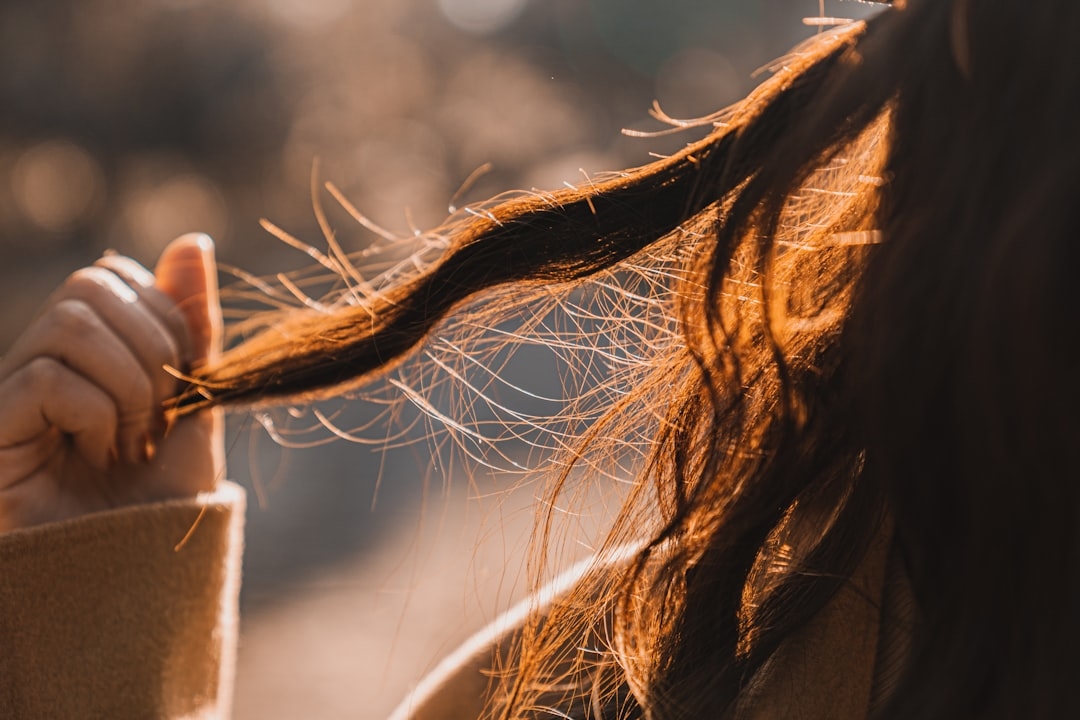
Humidity is perhaps the most notorious culprit. In damp air, water molecules penetrate the hair shaft, swelling it unevenly. Some parts absorb moisture faster than others, creating internal stress. This expansion causes the protective cuticle to lift, exposing the rougher inner layers and creating that characteristic frizzy, flyaway appearance.
Conversely, dry environments—particularly central heating in winter and air conditioning in summer—strip moisture from hair. The humidity inside a heated room in January can drop to 20-30%, compared to the ideal 40-60% for hair health. This sudden loss causes the hair shaft to contract, pulling the cuticle scales open as it shrinks.
Temperature itself plays a supporting role. Heat increases the movement of water molecules within the hair shaft, making cuticles more prone to lifting. This is why hair becomes increasingly frizzy throughout a summer day.
Static Electricity and Electrical Charge
Flyaway hair often results from static electricity accumulated through friction—whether from brushing, air drying, or simply moving through the air. When two surfaces (your hair and a brush, for instance) make contact, electrons transfer, leaving your hair with a negative charge. Since all hair strands carry the same negative charge, they repel one another magnetically, standing away from the head and creating that unruly, staticky appearance.
Synthetic brushes and towels accelerate this problem. Natural materials like silk or wooden brushes create far less static because they conduct electricity differently.
Damage and Protein Loss: Structural Breakdown
Over time, chemical treatments, heat styling, and mechanical stress compromise the hair’s protein structure. Bleaching, perming, and frequent colouring create tiny gaps and weak points throughout the cuticle. Heat damage from daily blow-drying or straightening equipment breaks the hydrogen bonds that hold the hair’s shape, leaving it weakened and prone to frizzing.
Protein loss accelerates cuticle deterioration. Hair with significant protein damage cannot hold moisture effectively—it either absorbs too much water (leading to swelling and frizz) or loses it too quickly (leading to brittleness and breakage). This explains why previously undamaged hair rarely suffers from flyaways, whilst over-processed hair does almost constantly.
Regular protein treatments can help temporarily, costing between £8 and £25 per treatment depending on the product’s quality and active ingredient concentration.
Common Triggers of Flyaway Hair
Harsh Shampoos and Over-Washing
Most commercial shampoos contain harsh sulfates that strip natural oils from the scalp and hair shaft. This leaves hair dehydrated and the cuticle exposed. Washing hair daily or every other day accelerates this problem, particularly for those with fine or chemically treated hair. Scaling back to two to three times per week and using a sulphate-free formula can reduce flyaways significantly within two weeks.
Chlorine and Hard Water
Chlorinated water—common in swimming pools and sometimes in tap water—deposits minerals and chemicals onto the hair shaft. Hard water (water with high mineral content) does the same, coating the hair and preventing proper moisture absorption. This coating makes the cuticle rough and prone to lifting, worsening flyaway hair considerably.
Brushing and Combing Techniques
Aggressive brushing creates friction, generates static, and physically breaks the hair cuticle. Detangling dry hair is particularly damaging—always comb through damp hair from the ends upward, using a wide-tooth comb. This single technique change prevents a surprising amount of cuticle damage.
Heat Styling Without Protection
Blow-dryers and straighteners raise the hair’s temperature rapidly, evaporating moisture from within the shaft faster than it can equilibrate. Using heat tools without a protective spray leaves hair vulnerable. Heat protectant sprays work by coating the hair and creating a barrier, reducing moisture loss by approximately 30-40% compared to unprotected styling.
The Role of Sebum and Natural Oils
Ironically, the body’s natural defence against flyaway hair is the sebum produced by scalp glands. Sebum coats the hair shaft, sealing the cuticle and providing a water-resistant barrier. People with naturally oily hair often have fewer flyaway problems because of this protective coating.
However, excess sebum attracts dust and pollutants, making hair look limp. The goal is balance: sufficient sebum to protect the cuticle, without excess that weighs down or dirties the hair. This explains why rotating between regular shampoo and a gentle or dry shampoo often solves both greasy roots and flyaway mid-lengths.
Practical Solutions to Reduce Flyaway Hair
Hydration and Moisture-Sealing
Deep conditioning treatments work by penetrating the cortex and restoring moisture balance. Use these weekly if you have dry or treated hair. Applying a leave-in conditioner to damp hair and then using a hair oil or serum seals the cuticle and prevents moisture loss. This two-step approach—hydrate first, then seal—is far more effective than either alone.
Reduce Heat Damage
Air-drying with a microfibre towel causes far less damage than conventional towel-rubbing or blow-drying. If you must use heat, apply a protective spray first and keep the temperature at 120-140°C rather than the maximum setting. Reducing heat styling frequency from daily to two to three times per week dramatically improves cuticle condition within a month.
Adjust Your Water Quality
Installing a water softener or using a shower filter costs £20-£80 upfront but removes chlorine and mineral deposits, making an immediate difference if you have hard water. For a temporary solution, rinsing hair with bottled water after shampooing helps significantly.
Choose the Right Tools
Silk or satin pillowcases reduce friction during sleep. A wooden or boar-bristle brush creates less static than plastic alternatives. If you colour or chemically treat your hair, switching to these gentler tools costs little (£6-£15 per brush or pillowcase) but prevents considerable cumulative damage.
FAQ: Common Questions About Flyaway Hair
Does humidity always cause flyaway hair?
Humidity causes frizz mainly in damaged or dehydrated hair. Healthy hair with balanced moisture actually becomes smoother in humid conditions because the cuticles lie flatter when properly hydrated. If your hair frizzes in humidity, it’s a sign your cuticle structure or moisture balance needs attention.
Can I completely eliminate flyaway hair?
No, but you can reduce it to barely noticeable levels. Flyaways are a natural consequence of hair growth cycles and environmental variation. Keeping the cuticle sealed, maintaining moisture balance, and minimising damage brings dramatic improvements.
Are expensive products better for flyaway hair?
Price doesn’t directly correlate with effectiveness. What matters is the active ingredient (look for oils, proteins, or humectants) and whether it suits your hair type. A £5 coconut oil applied correctly outperforms a £50 serum that doesn’t address your specific problem.
How long does it take to see improvement?
You’ll notice visible changes in 2-3 weeks if you’re adjusting water temperature, brushing technique, and product use. Structural improvements in severely damaged hair take 2-3 months because new undamaged hair must grow from the roots.
Is flyaway hair a sign of serious damage?
Not necessarily. Temporary flyaways from environmental factors (dry winter air, travel, humidity) don’t indicate damage. Persistent flyaways, especially accompanied by breakage or split ends, suggest the cuticle is compromised and needs targeted treatment.
Moving Forward: Sustaining Healthy, Tame Hair
Flyaway hair isn’t a permanent condition—it’s your hair’s way of signalling that its structure or moisture balance needs attention. The science is clear: cuticle damage, moisture imbalance, and static electricity are the main culprits. The practical takeaway is equally straightforward: minimise heat, protect against friction, maintain hydration, and seal the cuticle.
Start with one change—perhaps switching to a silk pillowcase, reducing washing frequency, or adding a weekly deep condition. Track what works for your specific hair type and environment. Within a month, you’ll likely notice a substantial reduction in flyaways, and you’ll understand your hair well enough to maintain that improvement long-term.