

How Fast Does Facial Hair Grow? Timeline and Growth Rate Facts
Contents:
- Facial Hair Growth Rate: The Precise Timeline
- Daily and Weekly Growth
- Monthly and Seasonal Growth
- Full Beard Development: The Complete Timeline
- Weeks 1-2: Stubble Phase
- Weeks 2-4: Noticeable Stubble Transitioning to Short Beard
- Weeks 4-8: Apparent Full Beard Beginnings
- Weeks 8-12: Full Beard Development
- Months 4-6: Mature Beard
- Factors Affecting Facial Hair Growth Speed
- Genetics: The Primary Determinant
- Age and Testosterone
- Nutrition and Overall Health
- Myth vs. Reality: Shaving and Growth Rate
- The Myth: Shaving Makes Beard Grow Faster or Thicker
- The Reality: Shaving Doesn’t Affect Growth Rate
- Practical Timeline for Grooming Decisions
- If You Want a Clean-Shaven Look
- If You Want Light Stubble
- If You Want a Short, Defined Beard
- If You Want a Full Beard
- Frequently Asked Questions
- Why does my beard look thicker after shaving?
- Does facial hair grow faster as you age?
- Can supplements speed up facial hair growth?
- Why doesn’t my beard grow as fast as friends’ beards?
- How long until facial hair stops growing?
- Understanding Your Facial Hair Growth
Many people believe that shaving makes facial hair grow back thicker and faster. This myth has persisted for decades, influencing shaving decisions and creating unnecessary anxiety about facial grooming. The reality is straightforward: how fast does facial hair grow is determined by biology, not shaving habits. Understanding the actual growth rate helps you plan grooming routines realistically and dispels the misconception that shaving accelerates growth.
Quick Answer
Facial hair grows at approximately 0.35-0.4 millimetres daily (roughly 10-12 millimetres monthly). Visible stubble appears within 24 hours of shaving. A full beard develops over 6-12 weeks. Growth rate varies by genetics, age, and testosterone levels but shaving doesn’t affect the actual growth speed.
Facial Hair Growth Rate: The Precise Timeline
Daily and Weekly Growth
Facial hair grows at a consistent rate: approximately 0.35 to 0.4 millimetres per day for most men. This translates to roughly 2.5 millimetres weekly or 10-12 millimetres monthly. Within 24 hours of shaving, noticeable dark stubble reappears as hair breaks through the skin surface. This rapid return of visible growth is why the misconception that shaving stimulates growth persists—growth never actually stopped, you’re simply observing the regrowth you already had.
By day three, facial hair reaches approximately 1 millimetre of visible length. By day five, roughly 1.8 millimetres appears. By week one, approximately 7 millimetres of stubble is visible. These measurements assume clean shaves; partial trims result in different visible lengths depending on how closely you trimmed previously.
Monthly and Seasonal Growth
Monthly growth reaches 10-12 millimetres on average. Over three months, facial hair grows 30-36 millimetres (roughly 1.2-1.4 inches). Growth remains fairly consistent throughout the year, though some research suggests slightly faster growth in summer months due to increased testosterone production from elevated sunlight exposure. This seasonal variation is modest—roughly 5-10% faster in summer versus winter for most men. The difference is noticeable only when tracking growth meticulously over years.
Full Beard Development: The Complete Timeline
Weeks 1-2: Stubble Phase
During the first two weeks, facial hair grows to approximately 5-7 millimetres. The appearance is light stubble on the cheeks and jaw. Many men find this length comfortable for the aesthetic and tactile feel. Touching the face produces that characteristic scratchy sensation from freshly growing hair with blunt ends.
Weeks 2-4: Noticeable Stubble Transitioning to Short Beard
By week two, growth reaches roughly 7 millimetres. By week four, approximately 14-16 millimetres (roughly 0.6 inches) of hair is visible. At this stage, facial hair density becomes noticeably more apparent. The darker appearance (compared to lighter early-stage stubble) results from hair length creating shadows on the skin. Most men shave at some point during this phase if they maintain a clean-shaven appearance. However, if aiming for a short beard, this length is presentable in professional settings.
Weeks 4-8: Apparent Full Beard Beginnings
By week six, facial hair reaches approximately 21-24 millimetres (roughly 0.85-1 inch). Most people would call this a “beard”—it’s substantial enough to look intentional rather than unkempt. By week eight, growth reaches approximately 28-32 millimetres (roughly 1.1-1.25 inches). At this length, facial hair truly looks like a deliberate style rather than neglected shaving.
Weeks 8-12: Full Beard Development
By week twelve (three months), facial hair reaches approximately 42-48 millimetres (roughly 1.65-1.9 inches). This is what most people imagine when picturing a “full beard.” The growth appears dense, defined, and intentional. However, perceived fullness continues improving beyond this point as hair length accumulates and density becomes more apparent.
Months 4-6: Mature Beard
By month four, growth reaches approximately 56-64 millimetres (roughly 2.2-2.5 inches). By month six, approximately 84-96 millimetres (roughly 3.3-3.75 inches). At this length, your beard has reached a mature appearance where density and length combine to create an obviously cultivated style.
Factors Affecting Facial Hair Growth Speed
Genetics: The Primary Determinant
Your genes determine your maximum beard growth speed. Men with ancestral roots in Mediterranean, Middle Eastern, or South Asian regions typically have faster facial hair growth (0.4-0.5 millimetres daily) compared to men with Northern European or East Asian ancestry (0.25-0.35 millimetres daily). This genetic variation explains why some men develop full beards in 6-8 weeks while others require 12+ weeks for identical visible results. Genetics are unchangeable, so accept your personal growth rate rather than viewing it as faster or slower than “normal.”
Age and Testosterone
Facial hair growth accelerates during puberty as testosterone rises. Growth peaks in the mid-20s to early 40s when testosterone levels are highest. After age 40, growth might slow slightly, though many men maintain robust facial hair growth throughout their lives. Testosterone directly stimulates facial hair growth, which is why men with naturally higher testosterone typically have thicker, faster-growing facial hair. Conversely, men with lower testosterone might experience slower growth or thinner density.
Nutrition and Overall Health
Adequate protein, zinc, iron, and B vitamins support optimal hair growth. Severe nutritional deficiency slows facial hair growth noticeably. However, men eating normal diets with adequate nutrition don’t experience growth acceleration from supplements—growth is already optimal. Sleep quality and stress levels also influence growth. Men sleeping poorly (fewer than 6 hours nightly) show slightly slower growth, possibly due to disrupted hormone regulation. Stress elevation can temporarily disrupt growth cycles.
Myth vs. Reality: Shaving and Growth Rate
The Myth: Shaving Makes Beard Grow Faster or Thicker
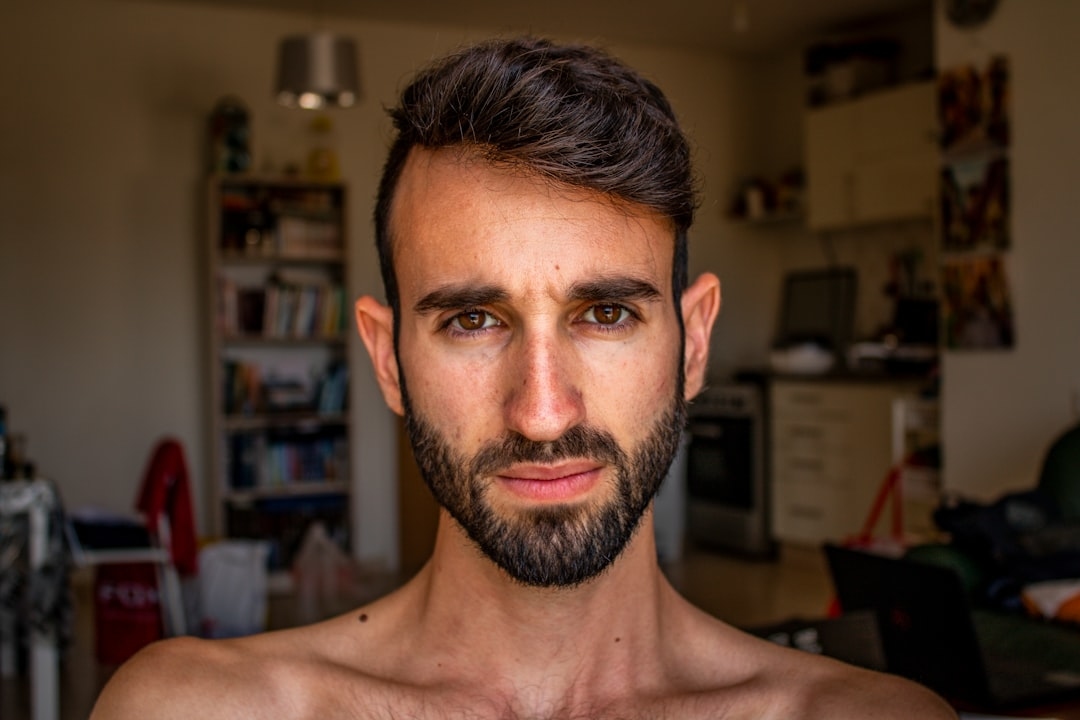
This persistent misconception claims that shaving stimulates faster growth or thicker regrowth. The mechanic proposed is that shaving “damages” hair, triggering the body to produce replacement hair more aggressively. The reality is completely different.
The Reality: Shaving Doesn’t Affect Growth Rate
Shaving cuts hair at skin level. The hair shaft below skin (the follicle and root) is completely unaffected. Shaving doesn’t trigger any biological response that accelerates growth. The apparent thicker regrowth is purely perceptual: freshly shaved hair has a blunt edge (from the razor), making it appear darker and coarser than unshaved hair (which has tapered tips that appear finer). This optical illusion created the myth. Rigorous studies confirm this—growth rate is identical whether men shave daily, weekly, or never. Shaving is purely aesthetic; it doesn’t influence biological growth speed.
Practical Timeline for Grooming Decisions
If You Want a Clean-Shaven Look
Shave every 1-2 days to maintain cleanly shaven appearance. Growth reaches visible stubble by day 2-3. At 3-4 days, stubble becomes obvious to others. Daily or every-other-day shaving maintains the aesthetic most men associate with “clean-shaven.”
If You Want Light Stubble
Skip shaving for 3-5 days. Growth reaches approximately 1-2 millimetres. Light stubble is visible up close but doesn’t appear like a deliberate beard. This is achievable with minimal grooming—basically, just not shaving.
If You Want a Short, Defined Beard
Stop shaving for 3-4 weeks. Growth reaches approximately 10-14 millimetres. Using beard trimmers (£15-40), trim to consistent length every few weeks to maintain a deliberate short-beard appearance. This requires minimal maintenance—roughly 15 minutes every 2-3 weeks.
If You Want a Full Beard
Stop shaving for 8-12 weeks. Growth reaches 28-48 millimetres. This is the point where a deliberate beard appears fully established. Maintenance involves occasional trimming for shape (every 4-6 weeks) and conditioning to prevent itchiness and promote healthy growth.
Frequently Asked Questions
Why does my beard look thicker after shaving?
The hair shaft has tapered tips naturally. Shaving cuts these blunt, making the same hair appear darker and coarser. It’s purely optical illusion—the hair isn’t actually thicker, just differently shaped at the surface. Unshaved hair with tapered tips appears finer.
Does facial hair grow faster as you age?
Facial hair growth peaks in the 20s-40s when testosterone is highest. Growth might slow slightly after age 40-50 as testosterone naturally declines. Growth changes are modest—roughly 5-10% slower in older age versus peak years.
Can supplements speed up facial hair growth?
Supplements help only if you’re deficient. Men with adequate nutrition don’t experience growth acceleration from supplements. Biotin, zinc, and B-vitamin supplements won’t speed beard growth in men eating balanced diets. However, men with documented deficiency (confirmed via blood test) benefit from supplementation, which restores normal growth.
Why doesn’t my beard grow as fast as friends’ beards?
Genetics. Your maximum growth rate is determined by inherited traits. Some men’s beards grow visibly faster simply due to genetics. Comparing your growth to others is frustrating because individual variation is significant. Accept your personal timeline rather than viewing it as slow or fast relative to others.
How long until facial hair stops growing?
Facial hair doesn’t have a “maximum length” point where growth stops. Hair grows continuously throughout your life. However, visible beard length plateaus as hair reaches terminal length (typically 3-6 inches depending on genetics). The perception that beards stop growing comes from the fact that longer hair is more prone to breakage, creating an equilibrium where length stabilises. Your beard can grow indefinitely; environmental factors simply limit visible length.
Understanding Your Facial Hair Growth
How fast your beard grows is predetermined by genetics and only minimally influenced by external factors. Accept your personal timeline: if your facial hair grows at 0.35 millimetres daily, you’ll develop a full beard in 12 weeks. If it grows at 0.45 millimetres daily (faster genetics), you’ll achieve similar results in 8-9 weeks. Shaving doesn’t change this rate—it’s purely a cosmetic choice. Plan your grooming routine around the timeline your biology dictates rather than fighting against it.