
How to Get White Hair: The Complete Guide to Silver and Platinum Locks
Contents:
- Understanding Hair Colour and Pigment Removal
- Bleaching Your Hair at Home: Step-by-Step
- Preparation and Materials
- Mixing and Application
- Rinsing and Conditioning
- Toning Your Hair to Pure White
- Professional Bleaching and Colour Services
- Caring for White Hair: The Non-Negotiable Maintenance
- Weekly Washing Routine
- Deep Conditioning Masks
- Heat Styling and Damage Prevention
- Touch-Up Schedule
- Sustainability and Eco-Friendly Approaches
- Troubleshooting Common Problems
- Yellow or Brassy Tones
- Hair Breakage and Loss
- Scalp Irritation
- Uneven Colour or Patchy Results
- Alternative Methods: Temporary White Hair
- Real-World Timeline and Cost Breakdown
- Expert Insight: A Trichologist’s Perspective
- FAQ: Your White Hair Questions Answered
- How long does white hair last without touch-ups?
- Can you achieve white hair without bleach?
- Is white hair damaging if done correctly?
- What’s the difference between white hair and platinum blonde?
- Can you go back to your natural colour after white hair?
- Moving Forward with White Hair
Quick Answer
White hair can be achieved through bleaching (for natural hair), permanent dyes, or silver toning treatments. Most people require 4-8 sessions over 2-3 months to reach bright white tones. Professional stylists typically charge £80-250 per session in the UK. Maintenance involves purple shampoo (£6-12), hydrating masks (£8-20), and touch-ups every 4-6 weeks.
Many people believe white hair is something only nature grants with age. Actually, achieving a striking white or platinum blonde shade is entirely within reach through modern hair colour techniques—and you don’t need to wait decades for grey roots to do the work. Whether your starting point is dark brunette or natural blonde, the science behind transforming your hair to white involves specific bleaching processes, targeted dye applications, and diligent maintenance. This guide walks through exactly how to get white hair, from understanding the chemistry involved to executing the transformation in a small space.
Understanding Hair Colour and Pigment Removal
Hair colour comes from two types of melanin: eumelanin (produces red and brown tones) and pheomelanin (produces yellow and red tones). To achieve white hair, you must remove these pigments entirely through a process called bleaching. This isn’t simply washing colour away—it’s a chemical oxidation reaction.
When bleach (hydrogen peroxide mixed with an alkaline agent) is applied to hair, it penetrates the hair shaft and breaks apart melanin molecules. The strength of the bleach determines speed and damage. Twenty-volume developer is standard for most home applications; forty-volume developer works faster but carries greater risk of breakage. A strand test is non-negotiable: apply the mixture to a hidden section 48 hours before full application to check results and monitor allergic reactions.
The target is reaching “level 9” or “level 10” on the hair colour scale—pale yellow or nearly white. Most people with dark hair (levels 1-5) require multiple sessions spaced 2-4 weeks apart. Light blonde hair (levels 7-8) may reach white in one or two sessions. The British Association of Beauty Therapy & Cosmetology recommends spacing sessions at least 14 days apart to allow hair recovery.
Bleaching Your Hair at Home: Step-by-Step
Many people prefer to bleach at home for cost savings. A standard kit costs £12-18 in the UK and includes powder bleach and developer. Salon visits cost £60-120 per session, so home treatment can save substantial money over multiple rounds.
Preparation and Materials
Gather these items before beginning: powder bleach (20-volume developer for first applications), mixing bowl (ceramic or glass, never metal), application brush, sectioning clips, petroleum jelly, old towel, and gloves. Wear old clothes—bleach stains permanently. Work in a well-ventilated space; if you live in a flat with limited ventilation, open all windows and consider working near an open door to manage fumes.
Section hair into four quadrants using clips. Apply petroleum jelly along your hairline and ears to protect skin. This step prevents chemical burns and is easily overlooked by beginners.
Mixing and Application
Mix bleach and developer in a 1:2 ratio according to package instructions—exact ratios vary by brand. Stir thoroughly for 1-2 minutes until the consistency resembles thick paint. Work quickly; the mixture loses potency after 30 minutes.
Apply to the mid-lengths and ends first (these are older, more porous hair), then the roots last. This prevents over-processing. Use the application brush to saturate each section, working methodically. Process time typically ranges from 25-45 minutes depending on your starting colour and bleach strength. Check progress every 5 minutes after 20 minutes. Hair should feel slightly gritty when reaching pale yellow—this indicates sufficient processing.
Rinsing and Conditioning
Rinse with lukewarm water (not hot, which opens the cuticle further) until the water runs clear. Shampoo with a gentle sulphate-free formula, then apply a deep conditioning mask. Leave the mask on for 10-15 minutes. This step is crucial: bleach leaves hair porous and fragile. A quality conditioner costs £8-15 and should become routine after bleaching.
Toning Your Hair to Pure White
After bleaching, hair typically appears pale yellow or brassy. White hair requires neutralising these warm tones through toning. A toner is a semi-permanent colour that deposits cool pigments into the porous bleached hair.
Purple or violet toners are standard for white hair. Wella T18 Lightest Ash Blonde and Schwarzkopf Igora Royal are professional-grade options costing £6-10 and available online or at beauty supply shops. These toners are applied like regular dye and left for 20-30 minutes. For the purest white, you may need two toning sessions: the first removes yellow, the second adds a cool silver tone.
An alternative method uses toning shampoos and conditioners (purple shampoo), which deposit gentle tone with each wash. This approach takes longer—typically 4-6 weeks to reach pure white—but is gentler on damaged hair. Brands like Fanola No Yellow range cost £6-12 per bottle and work particularly well for maintenance between bleaching sessions.
A realistic expectation: reaching brilliant white hair takes 6-12 weeks from start to finish if you’re dark-haired, with multiple bleaching sessions and toning applications. Blonde-starting hair can achieve white in 4-6 weeks.
Professional Bleaching and Colour Services
Professional stylists have access to higher-quality lightening products and can apply them more carefully than at-home treatments. A trained colourist can also assess damage risk and customise approach based on your hair’s condition.
Salon pricing varies: London salons charge £120-250 per bleaching session, whilst regional salons (Manchester, Birmingham) range £60-120. A full white transformation typically costs £240-750 for multiple sessions. Some salons offer package rates if you book sessions upfront. The advantage is professional expertise reducing breakage risk and achieving more uniform colour.
Discuss realistic timelines with your stylist. They can tell you whether your hair is healthy enough for bleaching or whether conditioning treatments are needed first. Some stylists recommend a “damage assessment” (often free) before booking colour work on previously dyed hair.
Caring for White Hair: The Non-Negotiable Maintenance
White hair is fundamentally different from your natural shade. Bleaching opens the cuticle and makes hair more porous. Without dedicated maintenance, white hair yellows, breaks, and looks dull within weeks.
Weekly Washing Routine
Wash white hair just twice weekly with cool water. Hot water opens the cuticle and allows toner to escape, causing yellowing. Purple or violet shampoo should replace regular shampoo for at least three weekly washes. Conditioner is non-negotiable—use it every wash. A basic routine costs roughly £15-25 monthly in products.
Deep Conditioning Masks
Apply a hydrating or protein mask once weekly. Olaplex No. 8 Bond Intense Moisture Mask (£45 for 200ml) is excellent but premium-priced. Budget alternatives like Cantu Shea Butter Restorative Mask (£5) or Schwarzkopf BC Bonacure Hyaluronic Moisture Kick mask (£8) work well. Leave masks on for 15-20 minutes. This is not optional if you want white hair to remain white and intact.
Heat Styling and Damage Prevention
Minimise heat styling. Air-dry whenever possible. If you must blow-dry, use a heat protectant spray first (£6-10) and keep temperatures low. Straighteners and curling irons should be used sparingly. Many people with white hair embrace natural texture or heatless styling methods to preserve their colour investment.
Touch-Up Schedule
Roots reappear after 4-6 weeks as your natural hair grows. Roots become visible faster if your natural colour is dark. Budget for touch-up bleaching every 4-6 weeks (£60-120 at a salon, or DIY at £12-18) plus toning treatments. Annual maintenance typically costs £400-800 if done professionally, or £150-250 if done at home.
Sustainability and Eco-Friendly Approaches
Hair bleaching involves chemicals, and responsible disposal matters. Never pour bleach down the drain; collect used mixing bowls and applicators in a sealed container and dispose at a local hazardous waste facility (most UK councils collect these monthly). Check your local authority’s website for drop-off locations.
If you’re committed to white hair long-term, at-home treatment reduces plastic waste from salon product packaging. Buying concentrate bleach (powder only, mixed with developer you supply) rather than pre-mixed kits also minimises single-use packaging. Reusable application brushes and mixing bowls replace disposable ones.
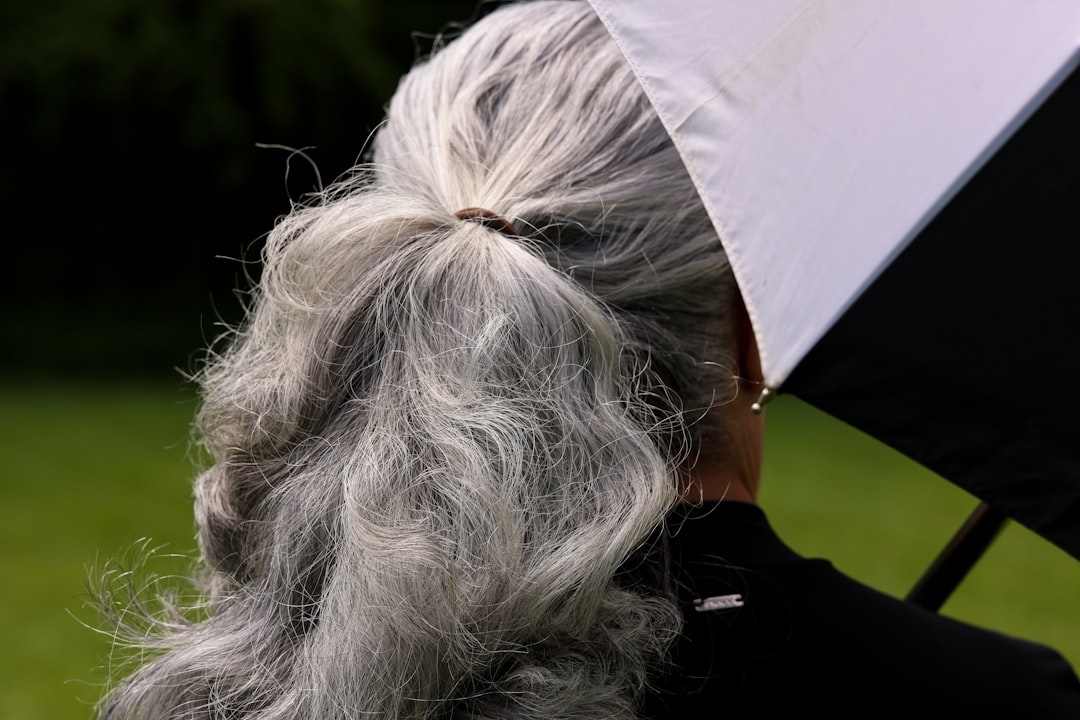
For those uncomfortable with chemical bleaching, consider semi-permanent white dyes. These contain no ammonia or peroxide and are gentler, though they only work on light blonde or previously bleached hair. Manic Panic Virgin Snow and Directions Silver cost £5-8 per bottle and deposit white tones without additional lightening. Results fade within 2-4 weeks but hair sustains no damage.
Troubleshooting Common Problems
Yellow or Brassy Tones
Hair turned pale yellow instead of white? This is level 9, not level 10. Apply purple toner (Wella T18, £7) for 20 minutes. If yellow persists, you need further bleaching. Wait 2 weeks, then bleach again. Never bleach more than once weekly; hair will snap off.
Hair Breakage and Loss
Breakage occurs when bleach damages the protein structure. If you notice hair snapping during combing, stop bleaching immediately. Deep condition weekly with a protein-rich mask. Trim 1-2cm every 6-8 weeks to remove damaged ends. Only resume bleaching after two weeks of intensive conditioning.
Scalp Irritation
If your scalp stings during processing, rinse immediately. Apply a soothing lotion like aloe vera gel. Do not bleach again for at least 2 weeks. For sensitive scalps, use 20-volume developer exclusively and request strand tests before full application.
Uneven Colour or Patchy Results
Uneven bleaching usually stems from inconsistent application or varying hair texture. Apply bleach with deliberate, overlapping strokes. Section hair finely and work methodically. If results are patchy, toning sometimes masks the issue. Apply toner evenly, and it will neutralise remaining yellow patches. If patches are very dark, re-bleach just those areas after a 2-week break.
Alternative Methods: Temporary White Hair
Not ready for permanent white? Temporary options let you test the look:
- Hair chalk and spray-on colour: Wash out with shampoo. Costs £4-8, no damage. Best for short-term experimentation.
- Clip-in extensions in white: Synthetic white extensions (20-30cm) cost £20-50 and can be clipped in daily. Your natural hair remains untouched.
- Semi-permanent white dye: Lasts 2-4 weeks, fades gradually, requires no bleach if hair is already pale blonde. Costs £5-10 per application.
- Full lace wigs in white: Premium human hair wigs cost £80-300; synthetic versions start at £25-60. Wear as often as you like without affecting natural hair.
These methods suit people uncertain about long-term commitment or those with very damaged hair that cannot withstand bleaching.
Real-World Timeline and Cost Breakdown
Here’s what to expect if starting with dark brown hair (level 3-4):
At-home approach (total cost £150-250):
- Session 1 (Week 1): Bleach to level 8, tone to level 9.5. Cost: £18 (bleach) + £10 (toner) = £28
- Session 2 (Week 4): Bleach again to level 9.5, tone to level 10. Cost: £28
- Maintenance (Weeks 8+): Purple shampoo and conditioner every 2-3 weeks, touch-up bleach every 4-6 weeks. Monthly cost: £20-30
- Annual total after first transformation: £240-360
Professional approach (total cost £400-800):
- Session 1: £100-150
- Session 2: £100-150
- Maintenance products: £20-30 monthly
- Touch-up bleach every 6 weeks: £80-100 per session
- Annual total after transformation: £600-900
Professional services cost more upfront but reduce damage risk and often include product consultations. The financial commitment is real but spreads over time.
Expert Insight: A Trichologist’s Perspective
Dr Eleanor Hartley, a specialist trichologist at the Institute of Trichology in London, notes: “Bleached white hair requires treating the hair shaft as compromised tissue, not as simple colour change. The porosity introduced by bleaching means protein and moisture care become medical necessity, not luxury. I’ve seen clients damage their hair beyond repair by neglecting maintenance. Invest equally in the colour process and the care regimen afterward—they’re inseparable.”
FAQ: Your White Hair Questions Answered
How long does white hair last without touch-ups?
White hair fades gradually. Within 4-6 weeks, roots show and yellowing begins. Toning pigment lasts 8-12 weeks. Most people need touch-up bleaching every 4-6 weeks and re-toning every 2-3 weeks to maintain a bright white appearance.
Can you achieve white hair without bleach?
Only on very light blonde (level 8+) or previously bleached hair. Standard white dyes require a pale canvas. If your natural hair is dark, bleaching is essential. Semi-permanent white dyes work solely on pre-lightened hair.
Is white hair damaging if done correctly?
Bleaching always alters the hair structure. However, proper technique (20-volume developer, monitoring process time, spacing sessions 2+ weeks apart, consistent deep conditioning) minimises damage to manageable levels. Many people maintain white hair for years without severe breakage if maintenance is taken seriously. Severe damage occurs from rushing sessions, over-bleaching, or skipping conditioner.
What’s the difference between white hair and platinum blonde?
Platinum blonde contains slightly warmer undertones and appears shinier. White hair is cooler-toned and more stark. Both require bleaching, but platinum toners (like Wella T14) are warmer than white toners (Wella T18). The distinction matters only if you prefer one aesthetic over the other.
Can you go back to your natural colour after white hair?
Yes, but it’s permanent-dye-only. Semi-permanent colour won’t stick to porous bleached hair reliably. Expect to use a permanent dye at level 5-6 to cover white hair. The process itself isn’t damaging, but colour matching can be tricky—consult a stylist to avoid unwanted tones.
Moving Forward with White Hair
White hair is achievable for nearly anyone willing to commit to the process and maintenance. The transformation typically spans 6-12 weeks, costs £150-800 depending on DIY versus professional approach, and requires ongoing care costing £20-40 monthly. The chemistry is straightforward; the commitment is primarily psychological and financial.
Start with a strand test to assess damage risk and processing time specific to your hair. Choose either the cost-effective at-home path or the safer professional route based on your budget and comfort level. Once white, embrace the maintenance schedule as non-negotiable—purple shampoo, weekly conditioning, and regular touch-ups are not optional if you want the colour to remain striking.
If you’re testing the idea, temporary methods offer low-stakes exploration. Clip-in extensions or semi-permanent dye let you experience white hair without permanent commitment. Once committed, approach the transformation methodically, space sessions appropriately, and invest in quality maintenance products. White hair turns heads, photographs beautifully, and can be maintained indefinitely with proper care.
Book your first strand test this week if you’re serious about the change. Your future white-haired self will thank you for starting thoughtfully rather than rushing in.