How to Get Curly Hair: A Complete Guide to Beautiful Curls
Contents:
- Understanding Your Starting Point: Why Some Hair Resists Curls
- Method One: The Perming Treatment—Permanent Chemical Curls
- How Perming Works
- Cost and Timing in the UK
- Who Should Consider Perming
- The Sustainability Question
- Method Two: The Curly Girl Method—Low-Poo, Protein, and Moisture
- Core Principles Explained
- Product Selection: What Actually Works
- The Transition Period: What to Expect
- Regional Variations in Success Rates
- Method Three: Styling Techniques That Build Curls Over Time
- Braiding and Twist-Outs
- Roller Sets
- The Diffuser Method with Heat
- Method Four: Texture-Altering Treatments (Beyond Traditional Perms)
- Keratin Straightening Treatments Reversed
- Protein Smoothing Treatments
- Regional Insights: Where You Live Matters
- Practical Step-by-Step Plan: Your Personal Curl Journey
- Week 1 to 2: Assessment and Preparation
- Week 3 to 8: Implementation
- Week 9 to 16: Monitoring and Adjustment
- Week 17 Onward: Maintenance and Refinement
- Essential Hair Care Rules for Maintaining New Curls
- Common Mistakes That Sabotage Curl Development
- FAQ: Your Curly Hair Questions Answered
- Can you perm previously bleached hair?
- How long does it take to see curl results with the Curly Girl Method?
- What’s the difference between a perm and a Brazilian keratin treatment?
- Can men use the Curly Girl Method?
- Is the Curly Girl Method sustainable?
- Your Curly Hair Future Starts Now
Straight hair, limp hair, refusing to cooperate—you’ve probably stared in the mirror wondering if beautiful curls are even possible for you. The good news: they absolutely are. Whether you’re starting from completely straight hair or working with waves that won’t quite curl the way you want, there are genuine, science-backed methods to achieve the curly hair you’ve always wanted.
The fastest route to curly hair involves chemical treatments (perms or relaxers reversal), while permanent options include perming treatments. For a gentler, non-permanent approach, try styling techniques with curling tools, moisture-rich products, and the Curly Girl Method. Results vary based on your hair type, starting texture, and how much commitment you’re willing to invest.
Understanding Your Starting Point: Why Some Hair Resists Curls
Before diving into methods, let’s understand why your hair behaves the way it does. Your hair’s texture is determined by the shape of your hair follicles and the protein structure inside each strand. Hair grows from rounded or oval follicles produces curls; hair from flat follicles tends toward straightness. This isn’t something you can change genetically—but you can work with what you have.
Your hair’s elasticity and porosity matter enormously. Elasticity refers to how well your hair stretches and bounces back; porosity describes how readily your hair absorbs and retains moisture. Someone with low-porosity, low-elasticity hair will struggle more with curl formation than someone whose hair naturally holds moisture. The good news? Both issues are manageable with the right approach.
Method One: The Perming Treatment—Permanent Chemical Curls
A permanent wave, or perm, chemically alters your hair’s structure to create lasting curls. This is the most dramatic, longest-lasting option available—when done properly, curls can last 3 to 6 months before your hair grows out.
How Perming Works
The process involves three key stages. First, a chemical lotion (usually containing ammonium thioglycolate or a similar reducing agent) breaks down the disulphide bonds that hold your hair’s protein structure in place. While those bonds are broken, your hair is wrapped around rods of varying sizes—larger rods create loose waves, smaller rods create tighter curls. The hair sets into this new shape, then a neutralizer re-bonds the protein structure, locking in the curl pattern permanently.
Cost and Timing in the UK
Expect to pay £40 to £150 depending on salon location and hair length. Salons in London and major cities typically charge at the higher end; regional salons may charge £50 to £80. The process itself takes 2 to 3 hours. You’ll need to wait 48 hours before washing your hair and should avoid swimming or excessive moisture for at least a week afterward.
Who Should Consider Perming
Perming works best on medium to thick hair that’s in good condition. Fine or previously damaged hair may struggle. If you have Asian or very straight hair types, discuss realistic expectations with your stylist—extremely straight hair sometimes resists perming, and results may be looser than desired.
The Sustainability Question
Chemical perming isn’t the most eco-friendly option. The process uses significant water and chemical waste, and many perm solutions contain ingredients with environmental concerns. If sustainability matters to you, mitigate by choosing salons that properly neutralise and dispose of chemical waste, and commit to keeping your perm for the full 6 months rather than re-perming frequently.
Method Two: The Curly Girl Method—Low-Poo, Protein, and Moisture
The Curly Girl Method revolutionised how people with straight or wavy hair approach curl development. This isn’t a treatment; it’s a comprehensive hair-care philosophy that maximises your hair’s natural curl potential without permanent chemicals.
Core Principles Explained
The method rests on four pillars. First, eliminate sulphates and silicones, which strip moisture and coat your hair with build-up that weighs curls down. Second, use hydrating, protein-rich products that strengthen and plump your hair. Third, apply leave-in conditioner and styling products to wet hair, then use a diffuser attachment or air-drying technique to set curls. Fourth, avoid touching your hair while it dries—friction disrupts curl formation.
Product Selection: What Actually Works
You’ll need four categories of products. A gentle, sulphate-free cleanser (or “low-poo”) such as SheaMoisture Raw Shea Butter or Function of Beauty costs £8 to £15. A deep-conditioning mask or leave-in conditioner (brands like Cantu, Creme of Nature, or Kinky-Curly) runs £6 to £12. A curl-defining gel with medium to strong hold—look for brands like Aunt Jackie’s Don’t Burn My Hair (£3 to £5) or Kinky-Curly Knot Today (£15 to £18). Finally, a microfibre towel or cotton t-shirt for plopping (wrapping wet curls gently), which costs £5 to £10.
Total initial investment: roughly £40 to £60, with ongoing costs around £20 to £30 monthly if you’re selective with products.
The Transition Period: What to Expect
Your hair won’t transform overnight. Most people report a 4 to 12-week adjustment period as product build-up washes out and your natural curl pattern emerges. During this time, your hair may feel dry, frizzy, or lack definition. This is normal. Patience is essential—many people quit too early and miss genuine results.
Regional Variations in Success Rates
The Curly Girl Method works differently depending on where you live. In the humid South and Southeast, humidity aids curl formation, and people often see results within 4 to 8 weeks. In the drier Northeast and Midlands, you may need 8 to 12 weeks and heavier moisturising products. Coastal West Coast areas with moderate humidity see moderate timelines—6 to 10 weeks typically. Hard water areas (common in the UK Midlands and East Anglia) require occasional chelating treatments to prevent mineral build-up that blocks moisture absorption.
Method Three: Styling Techniques That Build Curls Over Time
If you’re not ready for chemicals or a complete product overhaul, strategic styling can gradually train your hair into curl patterns.
Braiding and Twist-Outs
Braiding damp hair and leaving it overnight creates wave patterns that, repeated consistently, can train your hair toward curl formation. Tighter braids produce tighter waves; looser braids produce looser waves. Do this 3 to 4 times weekly for 4 to 8 weeks to see noticeable curl memory development. The technique costs nothing and works on nearly all hair types, though results are most dramatic on hair with some natural wave already present.
Roller Sets
Velcro rollers are underrated. Wrap damp hair around rollers (use smaller diameters—1 to 1.5 inches—for tighter curls) and allow hair to air-dry or use a hood dryer. This sets your hair in a curl pattern without heat damage. Combine with light hairspray to hold the shape longer between wash days. A set of quality velcro rollers costs £8 to £15 and lasts years.
The Diffuser Method with Heat
A blow dryer with a diffuser attachment (the wide, cup-shaped nozzle) gently dries curls without disrupting their shape. Apply styling gel or mousse to soaking-wet hair, then use the diffuser on medium heat and speed, scrunching your hair upward as you dry. This amplifies natural wave and curl patterns significantly. A quality diffuser costs £3 to £8 as an attachment.
Method Four: Texture-Altering Treatments (Beyond Traditional Perms)
Modern treatments offer alternatives to traditional perming with different benefits and trade-offs.
Keratin Straightening Treatments Reversed
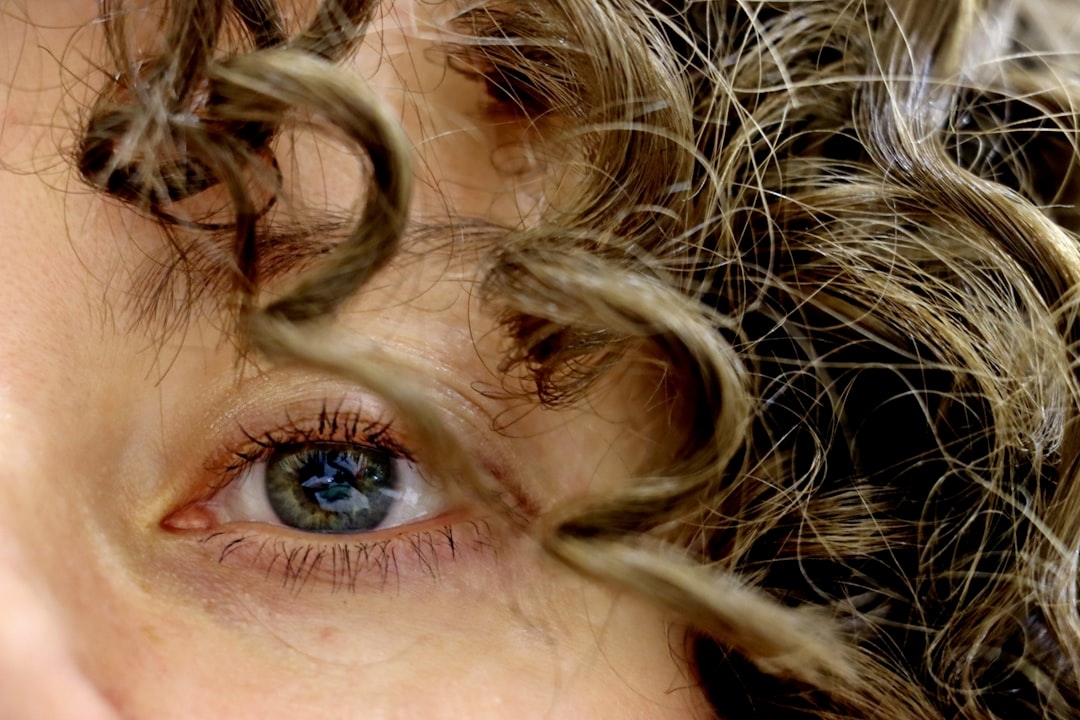
Some salons now offer reverse-keratin treatments designed to add texture rather than straighten. These work by coating your hair with protein-rich compounds that, when combined with specific styling, create curl patterns. They’re less invasive than perming but typically cost £80 to £200 and last 8 to 12 weeks. Discuss realistic expectations with your stylist—these work best on hair with pre-existing wave patterns.
Protein Smoothing Treatments
Brazilian treatments and protein smoothing aren’t purely straightening—lighter applications can actually define and enhance existing curls whilst smoothing frizz. Many people use these as a maintenance treatment between perms or alongside the Curly Girl Method for enhanced shine and definition.
Regional Insights: Where You Live Matters
The UK’s regional climate variations genuinely affect how curly hair develops and behaves. Coastal areas of Scotland and Northern Ireland benefit from higher ambient humidity, supporting curl formation naturally. The drier East Midlands and East Anglia require more aggressive moisture protocols and may benefit from humidifiers in bedrooms during winter months. The South and Southeast, whilst not as humid as southern Europe, still support curl development better than northern regions.
London salons and major urban centres offer the widest range of curl-specific services and expertise. If you’re outside a major city, you may need to travel for specialist curl perming or consider DIY approaches with strong at-home products.
Practical Step-by-Step Plan: Your Personal Curl Journey
Week 1 to 2: Assessment and Preparation
Determine your hair’s current state. Is it damaged from previous treatments? Do you have any natural wave? How much daily styling time are you willing to commit? Based on these answers, decide between perming (quickest), Curly Girl Method (most gradual but least damaging), or styling techniques (lowest cost, slowest results).
Week 3 to 8: Implementation
If choosing the Curly Girl Method or styling techniques, start your routine. Introduce new products gradually to avoid overwhelming your hair. If choosing perming, book your appointment. Most stylists recommend doing perms on non-bleached, healthy hair, so this may require a waiting period if your hair is previously treated.
Week 9 to 16: Monitoring and Adjustment
Track results weekly with photos. Adjust product quantities or types if needed. Expect slow progress initially—curl memory and hydration levels take time to build. If using the Curly Girl Method, this is likely still your transition period.
Week 17 Onward: Maintenance and Refinement
Once you’ve achieved your desired curl pattern, focus on maintenance. This means consistent product use, deep conditioning weekly, and avoiding damaging practices like tight styling or excessive heat.
Essential Hair Care Rules for Maintaining New Curls
Once you’ve got your curls, keeping them requires discipline. Sleep on a silk or satin pillowcase—cotton creates friction that disrupts curl patterns and causes frizz. A silk pillowcase costs £8 to £20 and lasts years, making it excellent value. Wash your hair no more than twice weekly; curly hair loses moisture faster than straight hair and benefits from less frequent washing. Deep condition weekly for the first month after perming or starting a new routine, then every other week for maintenance.
Avoid brushing curls when dry—this disrupts the curl pattern and causes breakage. Instead, finger-comb when wet and detangled. Use a leave-in conditioner before styling each time. Protect curls from chlorine at swimming pools by wetting your hair with fresh water first and applying a leave-in conditioner; chlorine bonds to dry hair but won’t attach to pre-moisturised strands.
Common Mistakes That Sabotage Curl Development
Many people fail to develop lasting curls because they sabotage themselves unknowingly. Touching your hair while it dries interrupts curl setting—resist the urge. Using the wrong hair products (those containing silicones and sulphates) builds up on your hair and weighs curls down. Washing hair in water that’s too hot damages the hair and opens the cuticle, causing frizz. Expecting results within days rather than weeks leads to abandoning methods too early. Using a regular towel instead of a microfibre towel causes friction damage. Not deep conditioning enough leads to dry, brittle curls that won’t hold shape. Each of these is fixable—simply being aware prevents most curl-sabotaging habits.
FAQ: Your Curly Hair Questions Answered
Can you perm previously bleached hair?
Yes, but with caution. Bleached hair is more porous and fragile, so perming can cause breakage. A strand test 48 hours before your perm appointment is essential. Many stylists recommend waiting at least 2 weeks between bleaching and perming, and deep conditioning intensively in between. Keratin treatments after perming can help reinforce bleached hair structure.
How long does it take to see curl results with the Curly Girl Method?
Most people see noticeable curl definition within 4 to 8 weeks in humid climates, 8 to 12 weeks in drier regions. Some see results within 2 to 3 weeks if they already have a slight wave pattern. The full potential of your curls may not emerge for 6 months as your hair becomes increasingly hydrated and healthy.
What’s the difference between a perm and a Brazilian keratin treatment?
A perm chemically alters your hair’s structure permanently—curls last until your hair grows out. Brazilian keratin and protein treatments coat your hair temporarily, lasting 8 to 12 weeks. Perms create more defined curls; keratin treatments add slight wave and significant shine whilst smoothing frizz.
Can men use the Curly Girl Method?
Absolutely. The method works on any hair type regardless of gender. Men often find success faster because they typically have shorter hair, reducing the time needed for product to reach the ends. The product selection remains the same—though some men prefer lighter gels and more subtle curl patterns, the science and technique are identical.
Is the Curly Girl Method sustainable?
Significantly more sustainable than chemical perming. You’re using biodegradable hair products rather than harsh chemicals, reducing water consumption by washing less frequently, and avoiding the environmental impact of permanent chemical treatments. Choose products in minimal or recyclable packaging to further reduce your footprint. Some brands like Cantu and SheaMoisture focus specifically on environmentally conscious practices.
Your Curly Hair Future Starts Now
Achieving curly hair isn’t a mystery—it’s a matter of choosing the right method for your lifestyle, hair condition, and patience level. Chemical perming offers the fastest, most dramatic transformation but requires salon expertise and ongoing maintenance. The Curly Girl Method demands consistency and patience but costs less and avoids permanent chemicals. Styling techniques work gradually but risk nothing and cost almost nothing.
Start by honestly assessing what you’re willing to commit to. If you want curls next week with minimal effort, a salon perm is your answer. If you’re willing to invest 3 to 4 months in exchange for healthier hair and lower costs, the Curly Girl Method wins. If you’re testing the waters, try styling techniques first—worst case, you learn your hair’s natural tendencies without any investment beyond a diffuser attachment.
The curly hair you’ve always wanted isn’t as far away as it seems. Take action today, be patient with the process, and within weeks or months, you’ll have the curls that make you feel like yourself.